28 Years Later: The Bone Temple is the bold and unsettling follow‑up to 2025’s 28 Years Later, itself a continuation of the legendary 28 Days Later franchise. Directed by Nia DaCosta and written by Alex Garland, this fourth installment dives deeper into the moral and psychological wreckage of a world forever altered by the rage virus.
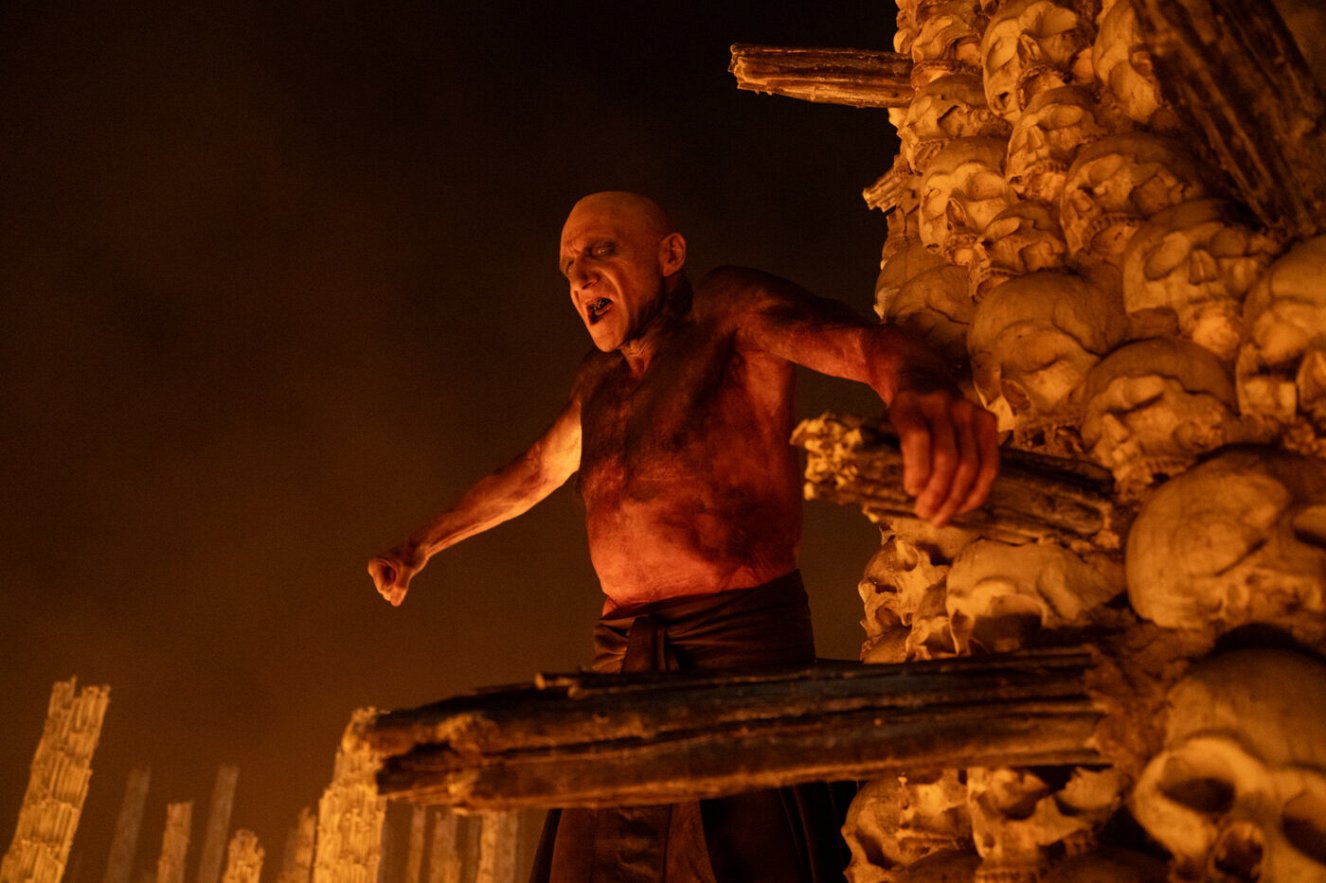
Set 28 years after the initial outbreak, the film expands the post‑apocalyptic mythos beyond infected hordes. Society hasn’t merely collapsed — it has fragmented into bizarre cults, warped ideologies, and fractured power structures. The eponymous Bone Temple — an ossuary constructed by Dr. Ian Kelson (played by Ralph Fiennes) — becomes both a physical and symbolic monument to ruin, memory, and fragmented humanity.
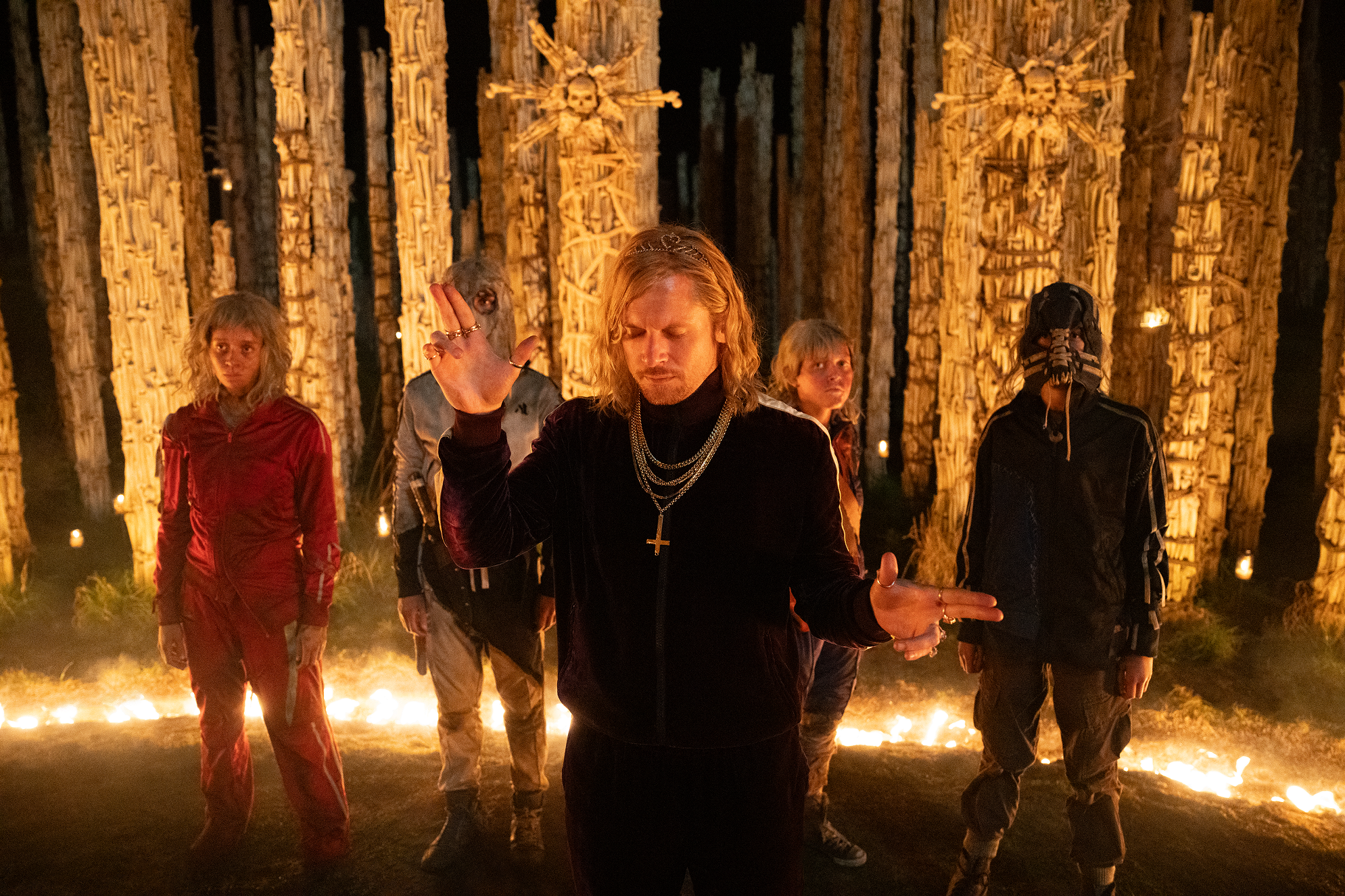
The narrative follows Spike (Alfie Williams), now a young adult whose journey through this desolate world reveals that other survivors may be more monstrous than the infected themselves. Among them is the deranged cult leader Sir Lord Jimmy Crystal (Jack O’Connell), whose charismatic cruelty ensnares followers in a twisted promise of safety and meaning.
Unlike many entries in the zombie genre that focus predominantly on survival scares, The Bone Temple is preoccupied with philosophical questions and societal reflections. The film repeatedly confronts the idea that the living can be as morally abhorrent as the infected. Several scenes intentionally let the viewer feel disgusted or disturbed by human behavior, framing brutality as an indictment of unchecked power and fanaticism. Kelson’s bone constructions — grotesque yet strangely artistic — symbolize how memory, ritual, and grief become distorted when civilization collapses. The film also blends dark humor and surreal moments with horror, keeping the audience off balance and challenging genre expectations.
This film’s strength lies largely in its cast and character work. Ralph Fiennes delivers a standout performance as Dr. Kelson — a character both peculiar and empathetic, capable of weird tenderness as well as unsettling obsession. Jack O’Connell makes Jimmy Crystal one of the most memorable antagonists in the series, embodying chaos with unsettling charisma. Alfie Williams’ Spike, while historically the central figure of this era of the franchise, is somewhat less central here, functioning more as a witness than a driver of the core plot. The eclectic ensemble elevates even the quieter moments, grounding surreal scenarios in convincing emotion and drive.
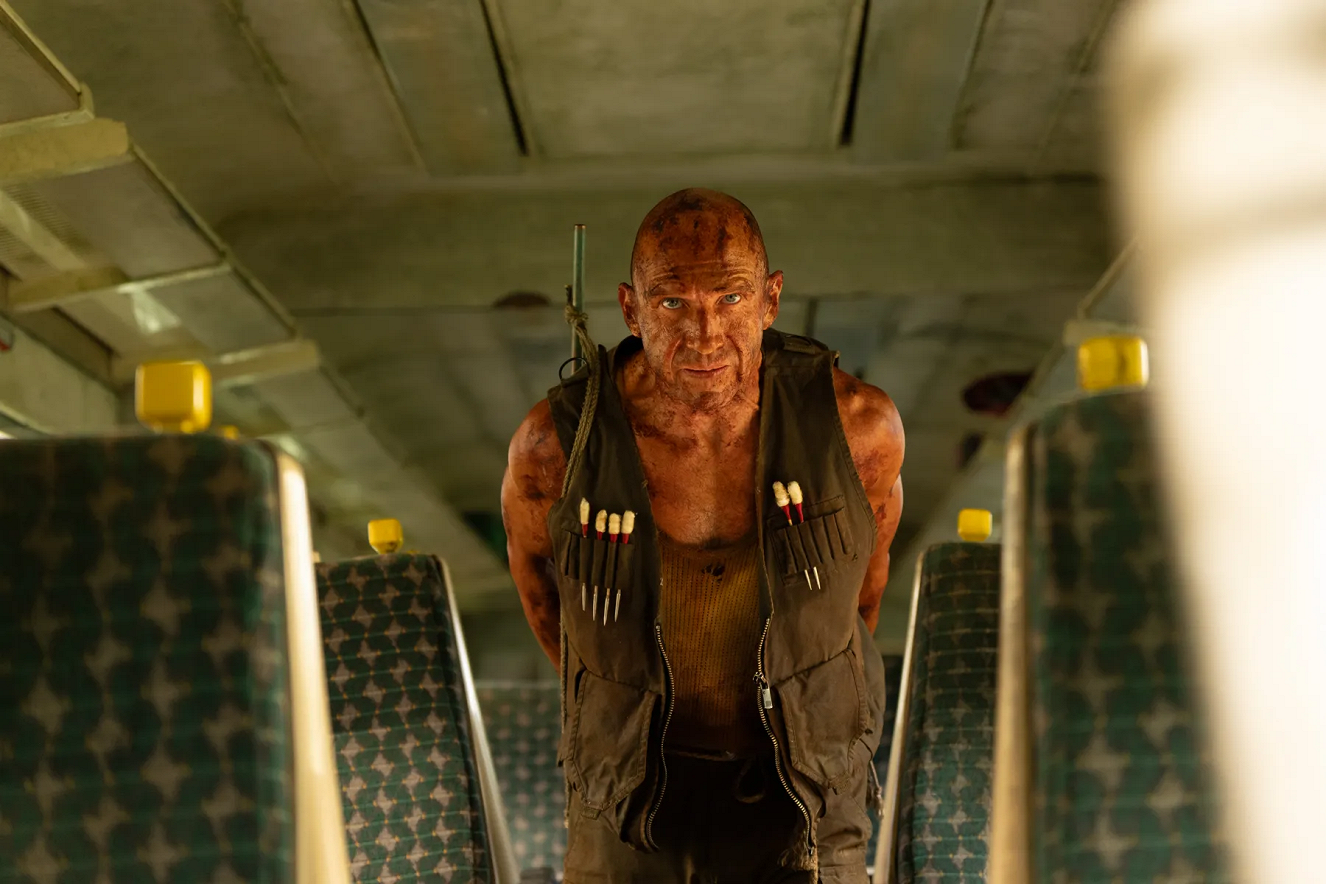
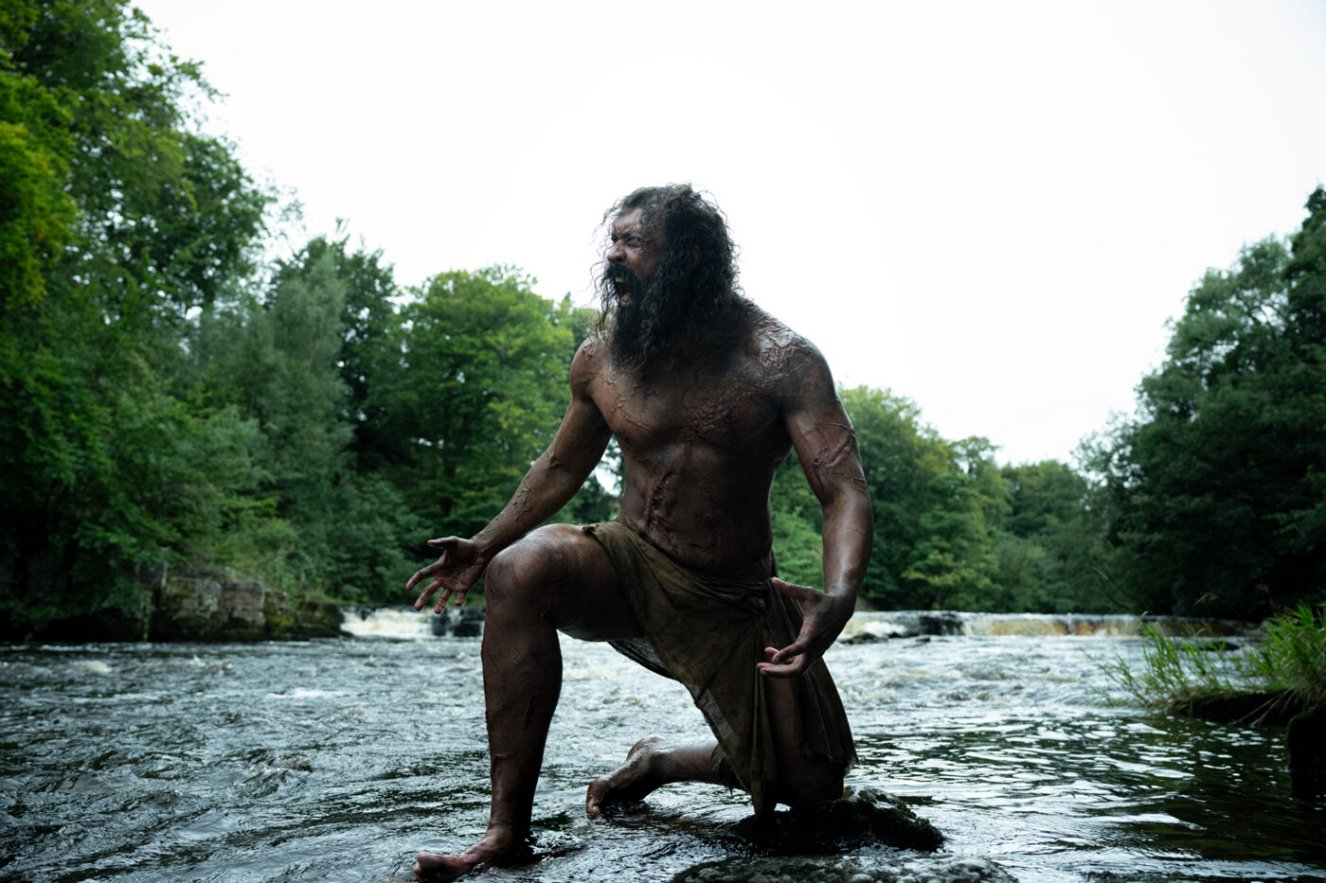
Visually, the film is stark and evocative. Cinematographer Sean Bobbitt captures both the harshness of ruins and the odd beauty of desolation. Many viewers found the film’s imagery striking — sometimes hypnotic, other times gut‑wrenching — intensifying the experience beyond traditional zombie clashes. The production design, soundtrack, and pacing contribute to a tone that is both meditative and unsettling — at times more reflective than terrifying, but consistently memorable.
Reception has been mixed but passionate. It is praised for its ambition and thematic depth, performances (especially by Fiennes and O’Connell), and willingness to push boundaries and challenge expectations. Critics note its less traditional horror structure, narrative choices that some viewers found incoherent or contradictory, and the temporary lack of wide theatrical success despite strong word-of-mouth.
28 Years Later: The Bone Temple is not a conventional zombie sequel — it’s an existential and sometimes bizarre exploration of collapse, belief, and what remains of human dignity when everything else is gone. While it may not satisfy every audience, its ambition, performances, and provocative imagery make it a conversation piece worth seeing, especially for fans of the franchise and thoughtful horror.
Horror / Sci-Fi / Thriller
United Kingdom / USA, 2026, 110 min
Director: Nia DaCosta
Screenplay: Alex Garland
Cinematography: Sean Bobbitt
Music: Hildur Guðnadóttir
Starring: Ralph Fiennes, Jack O’Connell, Alfie Williams, Erin Kellyman, Emma Laird, Chi Lewis-Parry, Louis Ashbourne Serkis, David Sterne, Elliot Benn, Robert Rhodes, Mirren Mack, Maura Bird, Ghazi Al Ruffai, Gordon Alexander, Lynne Anne Rodgers, Cillian Murphy
Producers: Bernard Bellew, Danny Boyle, Alex Garland, Andrew Macdonald, Peter Rice
Casting: Des Hamilton
Editing: Jake Roberts
Sound: Glenn Freemantle
Production Design: Nick Wilkinson, Naomi Moore
Makeup: Flora Moody, John Nolan
Costumes: Carson McColl, Gareth Pugh