The 2007 Spanish horror film REC, directed by Jaume Balagueró and Paco Plaza, is widely regarded as one of the most intense and influential entries in the modern found-footage horror genre. This chilling story, which centers on a television reporter and her cameraman trapped in a quarantined apartment building during a mysterious outbreak, manages to merge a sense of realism with visceral horror, creating an experience that leaves viewers both terrified and enthralled. Over the years, REC has not only become a benchmark for horror filmmaking but also spawned multiple sequels and an American remake, demonstrating its lasting impact on the genre.
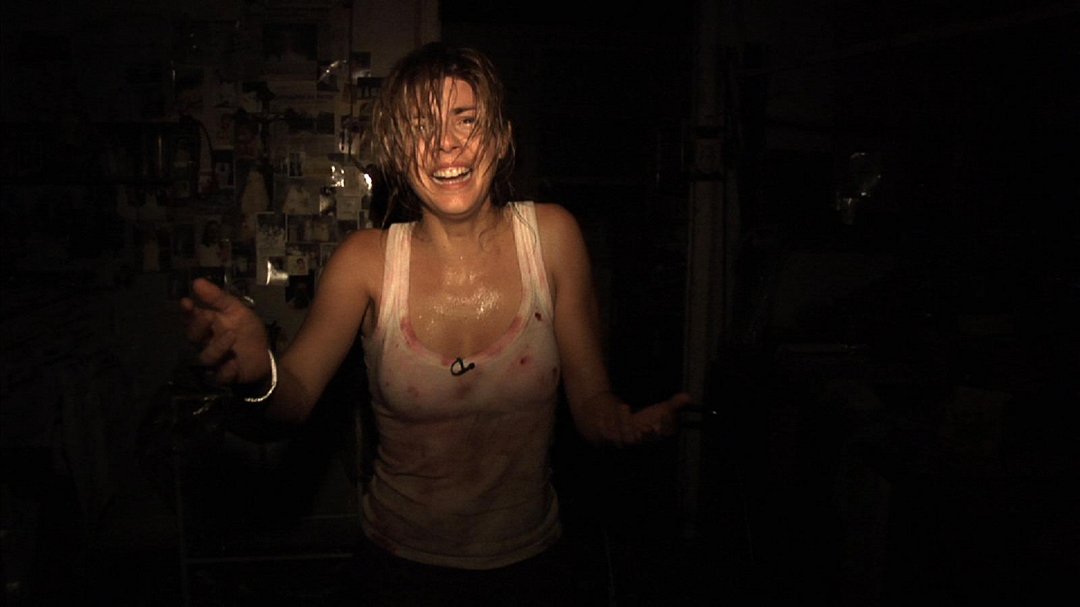
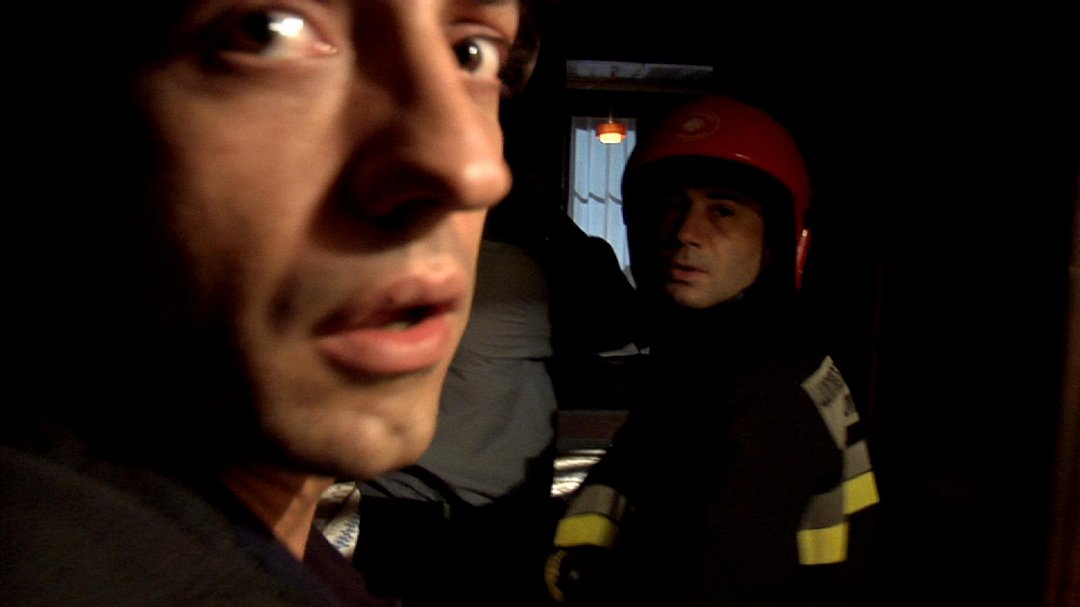
From the very beginning, REC establishes its unique approach to storytelling. The film opens with a seemingly mundane night-shift assignment: television reporter Ángela Vidal, played by Manuela Velasco, and her cameraman Pablo, follow firefighters on a routine call. The night starts ordinarily enough, with the crew documenting the emergency response to a distressed resident in an apartment building. However, what begins as a straightforward television report quickly escalates into an inescapable nightmare. The directors utilize the found-footage style, presenting the entire film from the perspective of Ángela’s camera. This perspective not only immerses the audience in the story but also creates an immediate sense of claustrophobia and urgency, as every hallway, stairwell, and apartment unit becomes a potential threat.
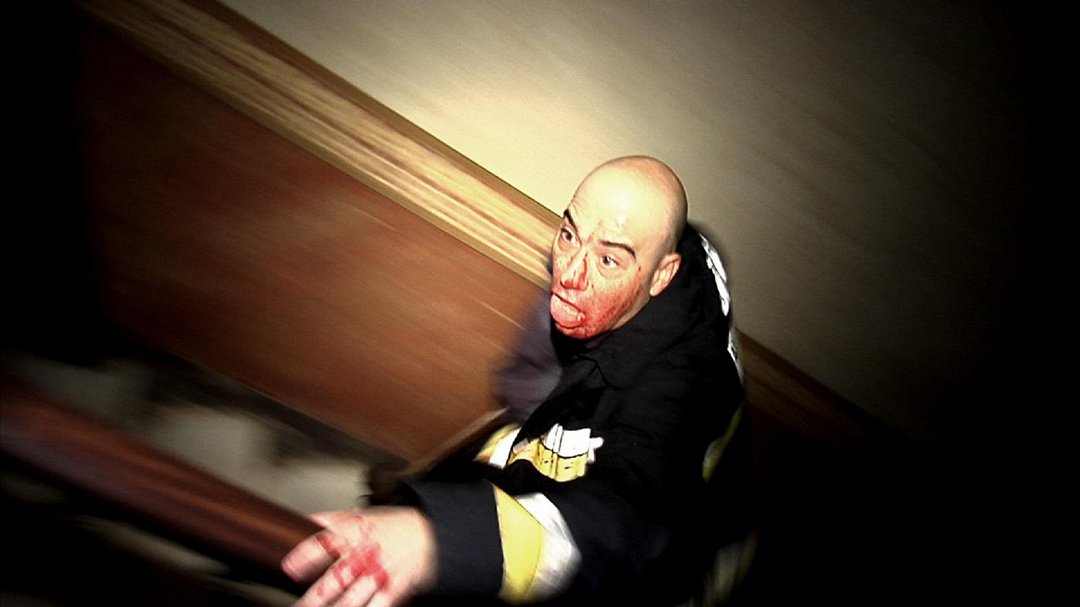
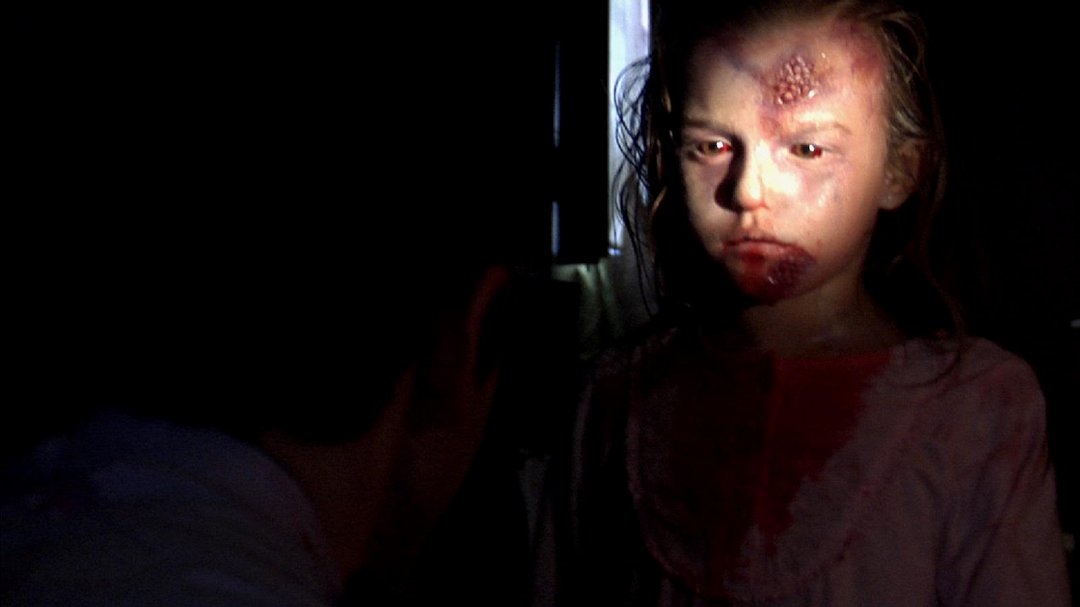
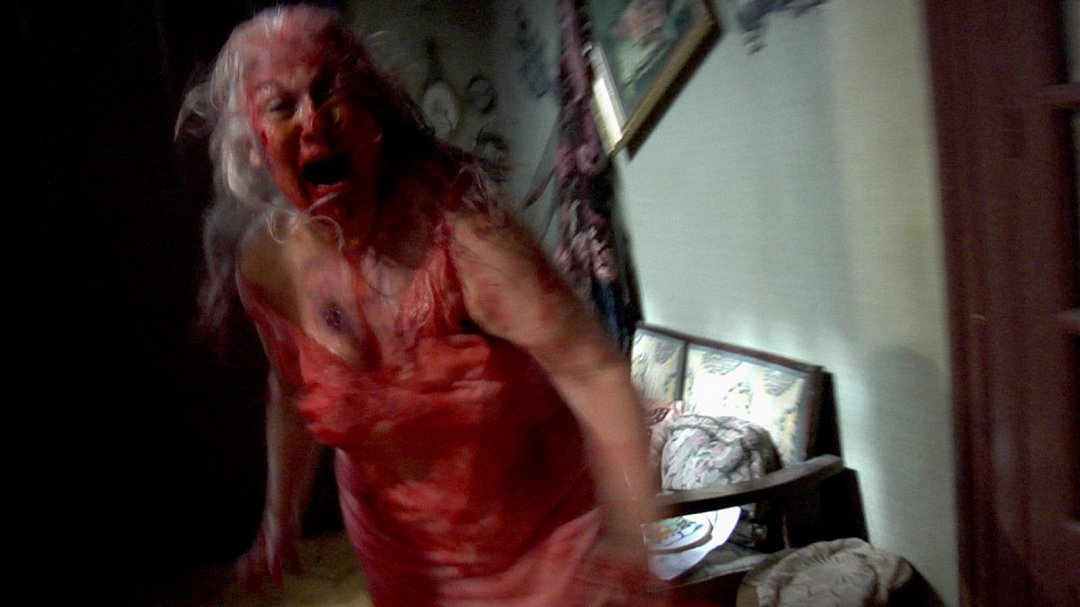
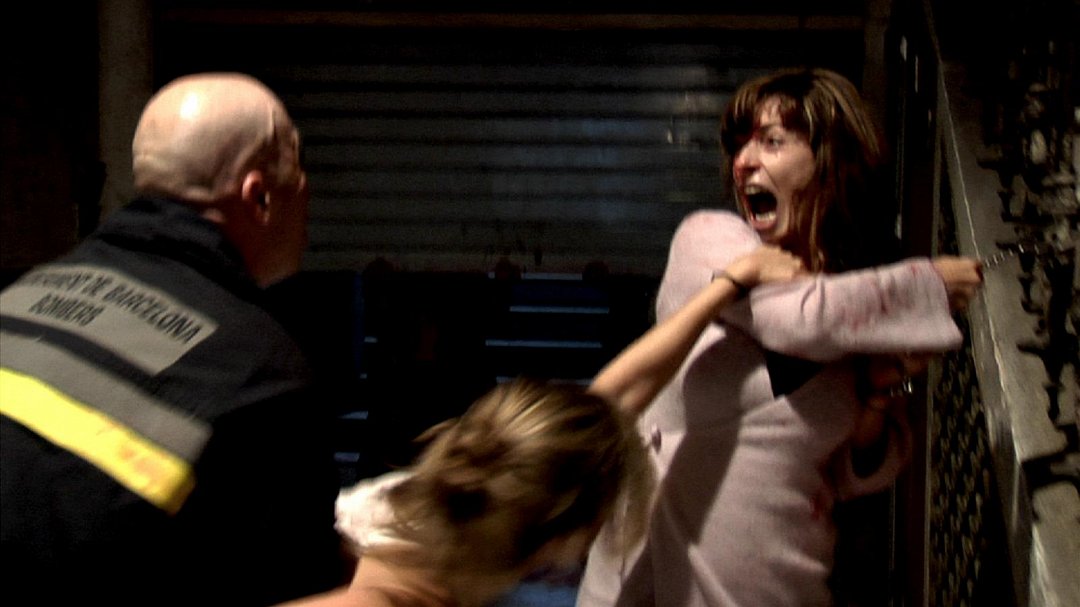
One of the most remarkable aspects of REC is its ability to blend suspense with sudden bursts of intense horror. Unlike traditional slasher films or monster movies, the terror in REC is deeply rooted in the unknown. The source of the outbreak, a mysterious infection turning residents into violent, almost rabid entities, is revealed gradually, maintaining a high level of tension throughout the film. The filmmakers masterfully control pacing, using tight framing, shaky camera movements, and long, uninterrupted takes to convey both chaos and realism. As a result, viewers experience the fear almost firsthand, as if they, too, are trapped within the building alongside the protagonists.
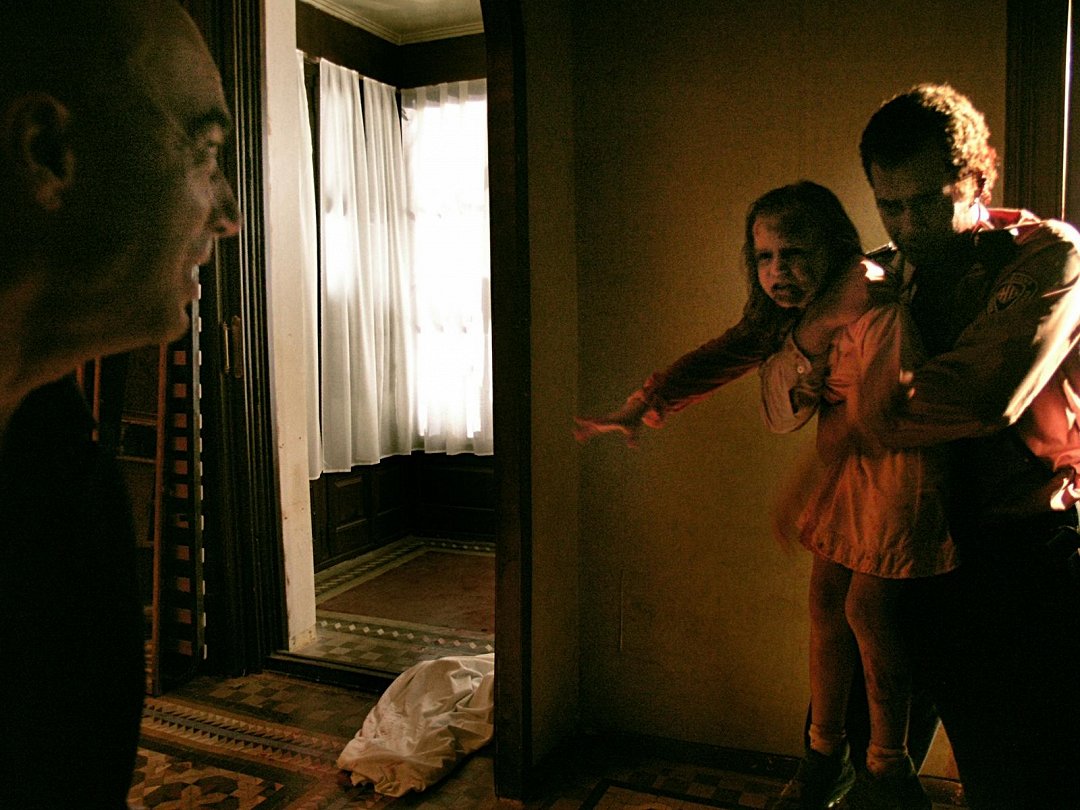
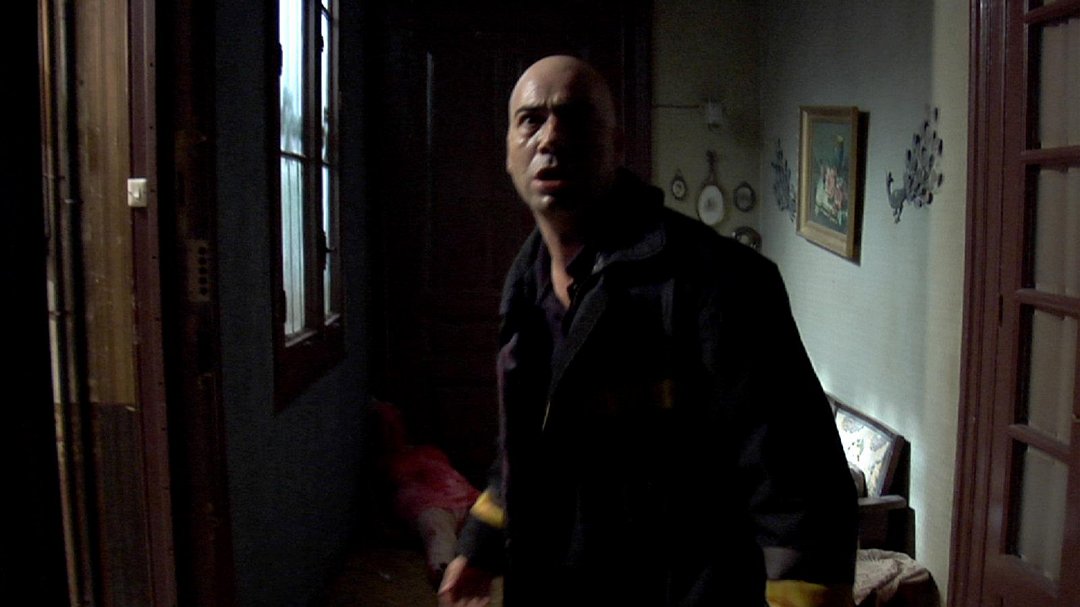
The apartment building itself is a character in its own right. Its narrow corridors, dimly lit stairwells, and claustrophobic apartments amplify the sense of entrapment and dread. The set design, combined with the cinematography of Paco Plaza, ensures that every corner holds potential danger. Unlike many horror films that rely on external landscapes or isolated locations, REC confines its terror to a single urban structure. This confinement heightens the tension and allows for continuous interaction between the characters and the infected, resulting in an unrelenting atmosphere of fear. The audience is constantly aware that escape is nearly impossible, making every scene of pursuit or confrontation feel palpably dangerous.
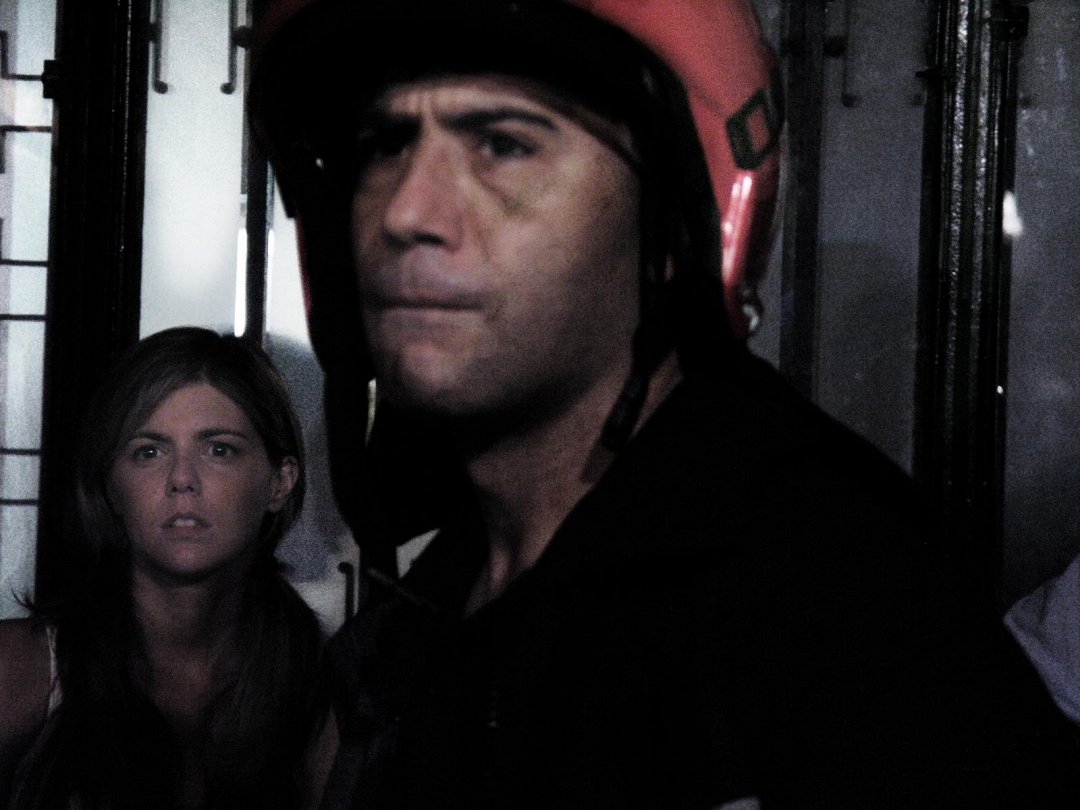
The acting in REC is another key element that contributes to its success. Manuela Velasco delivers a compelling performance as Ángela, a reporter who is both brave and vulnerable, providing the audience with a character they can empathize with. Her fear and determination feel authentic, especially as the situation spirals out of control. The supporting cast, including Jaime Bosch as the experienced firefighter and various apartment residents, enhance the realism of the scenario, each reacting to the unfolding chaos in a manner consistent with real human behavior. The decision to cast relatively unknown actors was deliberate, reinforcing the documentary-style realism and ensuring that viewers remain engrossed in the narrative rather than distracted by star power.
A notable strength of REC is its sound design. In a horror film, audio cues are as important as visual ones, and this film utilizes both to maximum effect. The muffled sounds of screams, the growls of the infected, and the sudden bursts of noise in the otherwise tense silence create a visceral response in the audience. The film’s minimal musical score emphasizes realism; there is rarely background music, allowing the natural sounds of panic, struggle, and terror to dominate. This approach heightens immersion and keeps the audience on edge throughout the ninety-minute runtime.
What sets REC apart from other horror films, particularly in the found-footage subgenre, is its combination of social commentary and pure horror. The narrative can be interpreted as an allegory for fear of contagion, the unpredictability of pandemics, and the societal response to crises. The authorities’ decision to quarantine the building and prevent residents from leaving, without fully explaining the nature of the threat, mirrors real-world anxieties about disease control and governmental overreach. The residents’ panic and desperation reflect human instincts when confronted with a lethal, unknown danger. In this way, REC transcends simple scares, providing a narrative with layers that encourage reflection on broader societal fears.
The climax of REC is particularly effective, blending unrelenting tension with shocking revelations. As Ángela navigates the building in search of answers and potential escape, she uncovers the horrifying truth behind the outbreak. Without giving away specific plot details for those who have yet to see it, the final act escalates the sense of hopelessness and terror. The film’s ending is both memorable and unsettling, leaving a lingering sense of dread that continues long after the credits roll. This unresolved tension, combined with the realistic portrayal of fear and violence, distinguishes REC from more formulaic horror films and ensures its place in the canon of genre-defining works.
REC also deserves recognition for its influence on subsequent films. Following its release, the found-footage format gained renewed attention, inspiring both Spanish and international filmmakers. Movies such as Quarantine (the 2008 American remake of REC) and other low-budget horror films borrowed heavily from its techniques, demonstrating the film’s innovative approach to suspense and realism. Beyond its stylistic contributions, REC set a standard for horror storytelling, proving that tension, character-driven narratives, and creative cinematography can be more terrifying than excessive gore or jump scares alone.
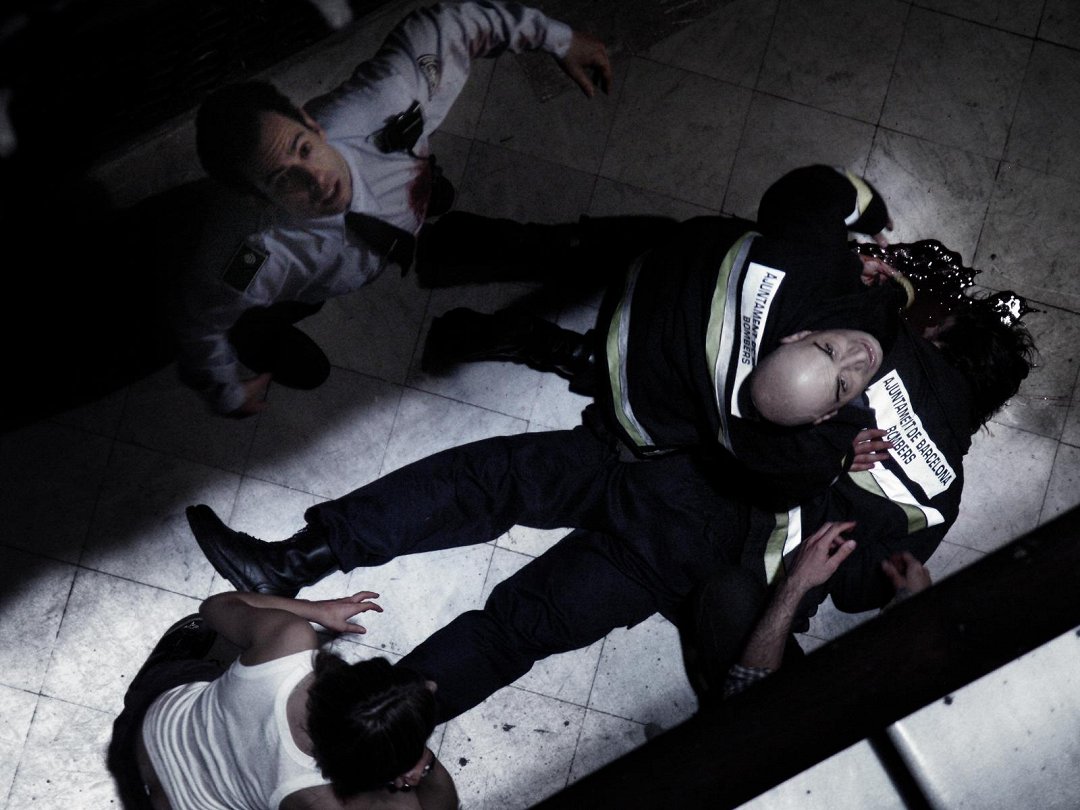
Another aspect worth noting is the film’s exploration of human psychology under extreme conditions. As the infection spreads and social norms break down, characters exhibit a range of responses—from self-preservation and heroism to hysteria and aggression. The filmmakers depict these reactions in a way that feels genuine, avoiding exaggerated stereotypes often seen in horror. This commitment to realism allows the audience to connect emotionally with the characters’ plight, intensifying the horror experience. The ethical dilemmas faced by Ángela and the other survivors also add depth to the narrative, raising questions about morality, survival, and sacrifice.
While REC has many strengths, it is not without minor criticisms. Some viewers might find the shaky camera work disorienting, especially during extended sequences of intense action. However, this technique is integral to the film’s immersive style and arguably enhances the sense of realism. Additionally, the rapid escalation of events and the sheer intensity of the horror may be overwhelming for more casual viewers. Yet, for fans of the genre seeking an adrenaline-fueled, edge-of-your-seat experience, these elements are exactly what make the film so compelling.
In conclusion, REC is a masterclass in modern horror filmmaking. Its innovative use of the found-footage format, combined with expert pacing, realistic performances, immersive sound design, and claustrophobic set design, creates an unforgettable cinematic experience. Beyond its ability to frighten, the film also engages with themes of societal response to crises, human behavior under duress, and the fragility of safety and security in urban environments. Over fifteen years after its initial release, REC continues to influence the horror genre, demonstrating that terror rooted in realism and psychological tension remains profoundly effective. For horror enthusiasts, this film is not just a viewing experience; it is an intense, visceral journey that lingers in the mind long after the final scene. Whether approached as a study in tension, a commentary on fear and containment, or simply as a terrifying story, REC stands as one of the most significant and impactful horror films of the 21st century.
Horror / Thriller
Spain, 2007, 78 min
Director: Jaume Balagueró, Paco Plaza
Screenplay: Jaume Balagueró, Luiso Berdejo, Paco Plaza
Cinematography: Pablo Rosso
Starring: Manuela Velasco, Javier Botet, Manuel Bronchud, Martha Carbonell, Clàudia Silva, Vicente Gil, Ferran Terraza, Pablo Rosso, Ana Isabel Velásquez, David Vert, Jorge-Yamam Serrano, Carlos Lasarte, Ben Temple, Javier Coromina, Maria Lanau, Carlos Vicente
Casting: Cristina Campos
Editing: David Gallart
Production Design: Gemma Fauria