The Ring (2002), directed by Gore Verbinski, is widely considered one of the most influential horror films of the early 21st century. Released at a time when Hollywood horror was dominated by slashers and teen-oriented thrillers, The Ring brought a darker, more atmospheric style of horror back to mainstream audiences. The film is an American remake of the Japanese film Ringu (1998), which itself was based on the novel by Koji Suzuki. While remakes often struggle to capture the essence of their originals, The Ring managed to adapt the story successfully for Western audiences while maintaining the unsettling tone and psychological dread that made the original so effective.
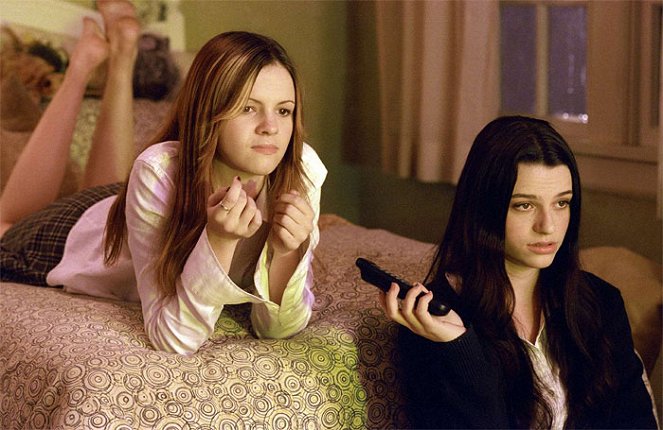
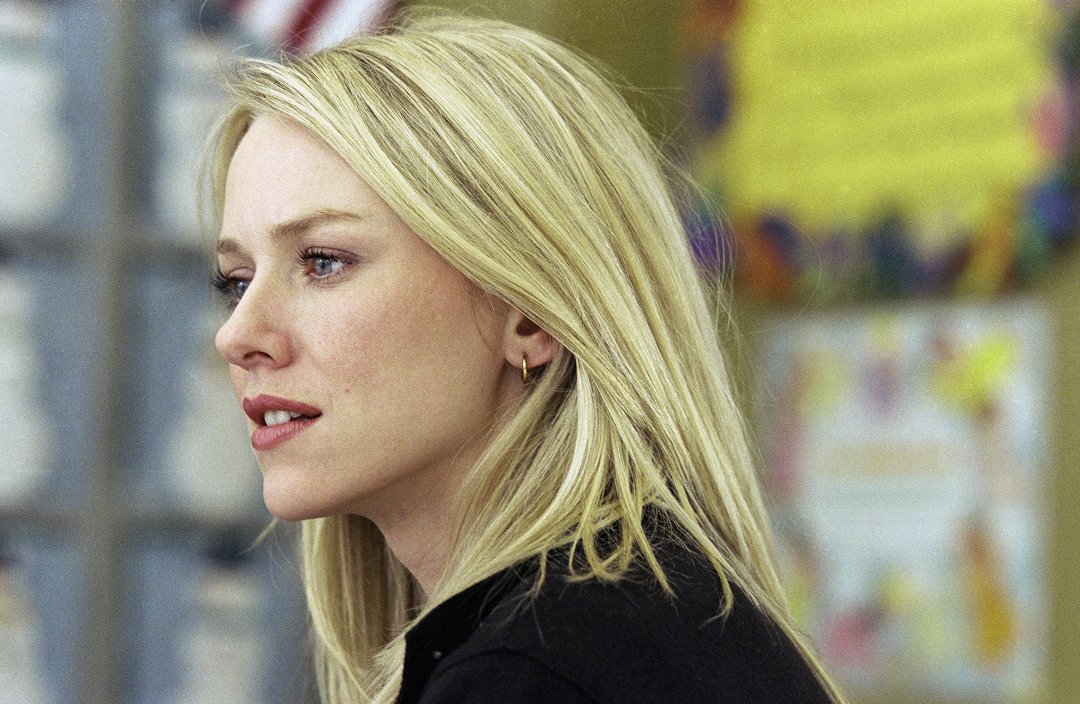
The story follows Rachel Keller, a journalist played by Naomi Watts, who begins investigating a mysterious videotape that is rumored to kill anyone who watches it exactly seven days later. The film opens with a chilling scene involving two teenage girls discussing the legend of the cursed tape. When one of them reveals she watched it exactly seven days ago, the tension immediately escalates. Shortly afterward, she dies in a horrifying and unexplained way, her face frozen in a grotesque expression of terror. This opening sequence perfectly sets the tone for the film, blending mystery, dread, and supernatural horror in a way that immediately hooks the audience.
Rachel becomes involved in the mystery after the sudden death of her niece, Katie. As a journalist, Rachel’s curiosity pushes her to investigate the circumstances surrounding Katie’s death. Her search leads her to the cursed videotape itself, which she eventually watches. The tape contains a series of disturbing, surreal images: a well, a ladder, a tree on fire, a writhing centipede, and other strange visuals that feel like fragments of a nightmare. Shortly after watching it, Rachel receives a phone call with a chilling message: “Seven days.” From this moment forward, the film becomes a race against time as Rachel tries to uncover the origin of the tape and break the curse before the deadline arrives.
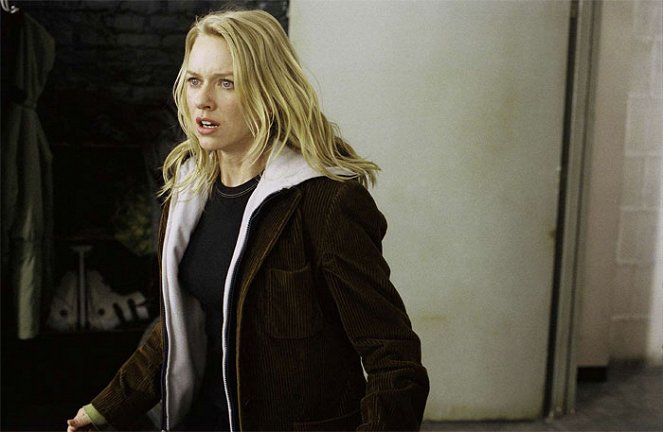
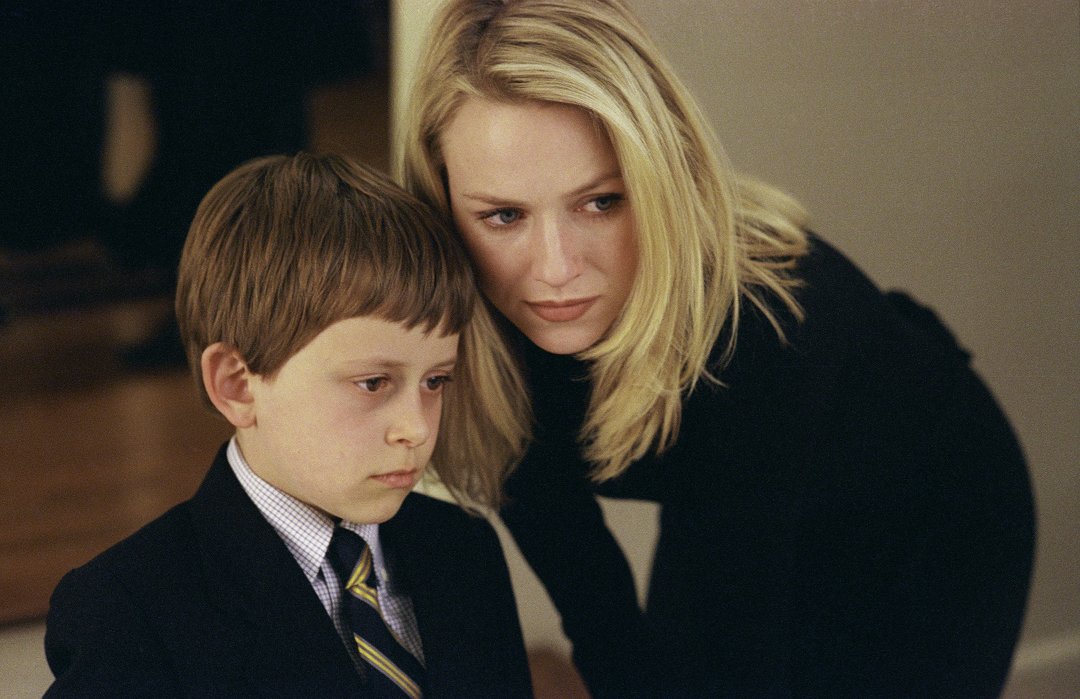
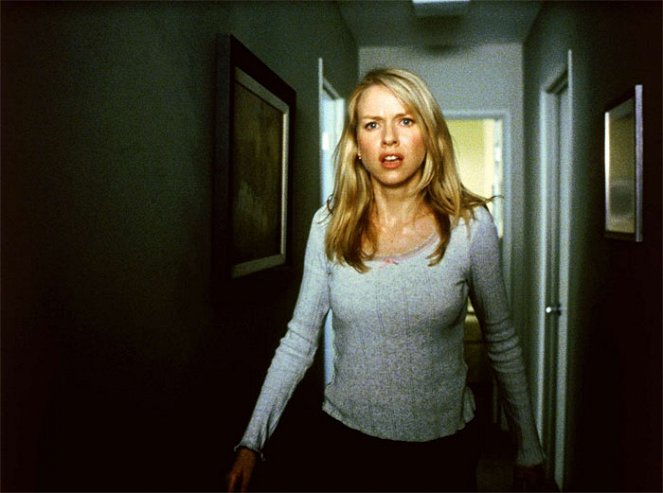
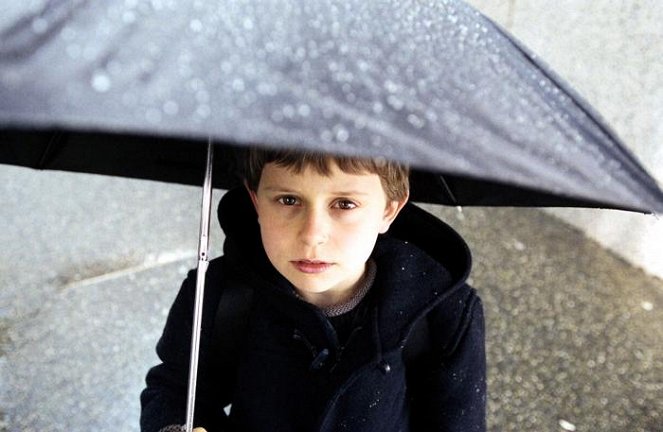
Naomi Watts delivers a strong and convincing performance as Rachel. Unlike many horror protagonists, Rachel is intelligent, determined, and emotionally complex. Her relationship with her young son Aidan, played by David Dorfman, adds another layer of tension to the story. Aidan is portrayed as an unusually perceptive child who seems to sense the supernatural danger surrounding them. When he watches the tape as well, the stakes become even higher, forcing Rachel to dig deeper into the mystery behind the curse.
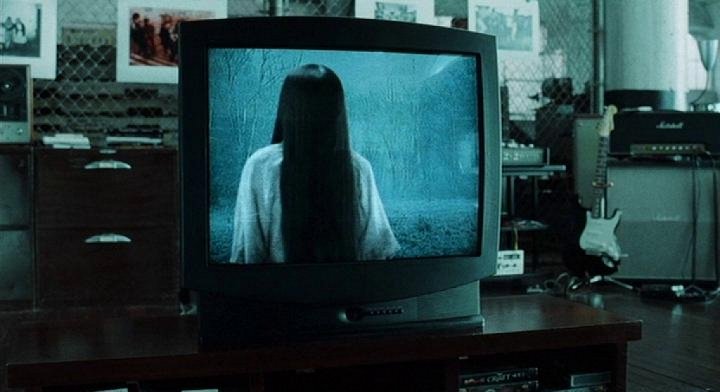
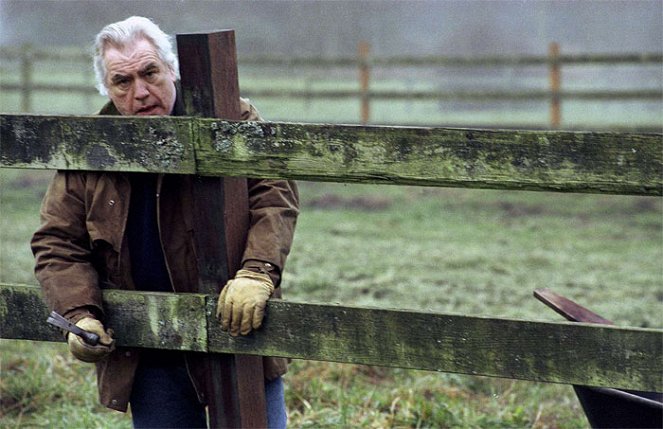
Visually, The Ring stands out for its distinctive style. The film uses a muted, cold color palette dominated by grays, blues, and greens, creating a constant sense of unease. Rain, fog, and dim lighting are used throughout the film to enhance the atmosphere of dread. The cinematography by Bojan Bazelli gives the movie a bleak, almost dreamlike quality, reinforcing the feeling that something is fundamentally wrong in the world the characters inhabit. The imagery from the cursed videotape itself is particularly memorable and has become iconic in horror cinema.
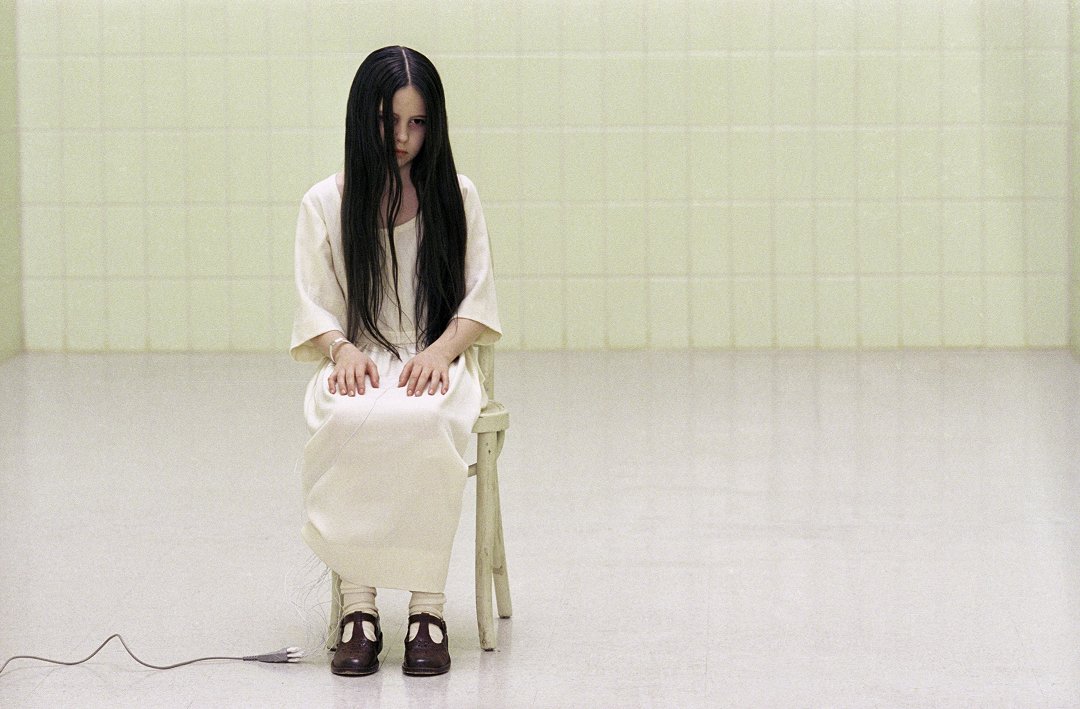
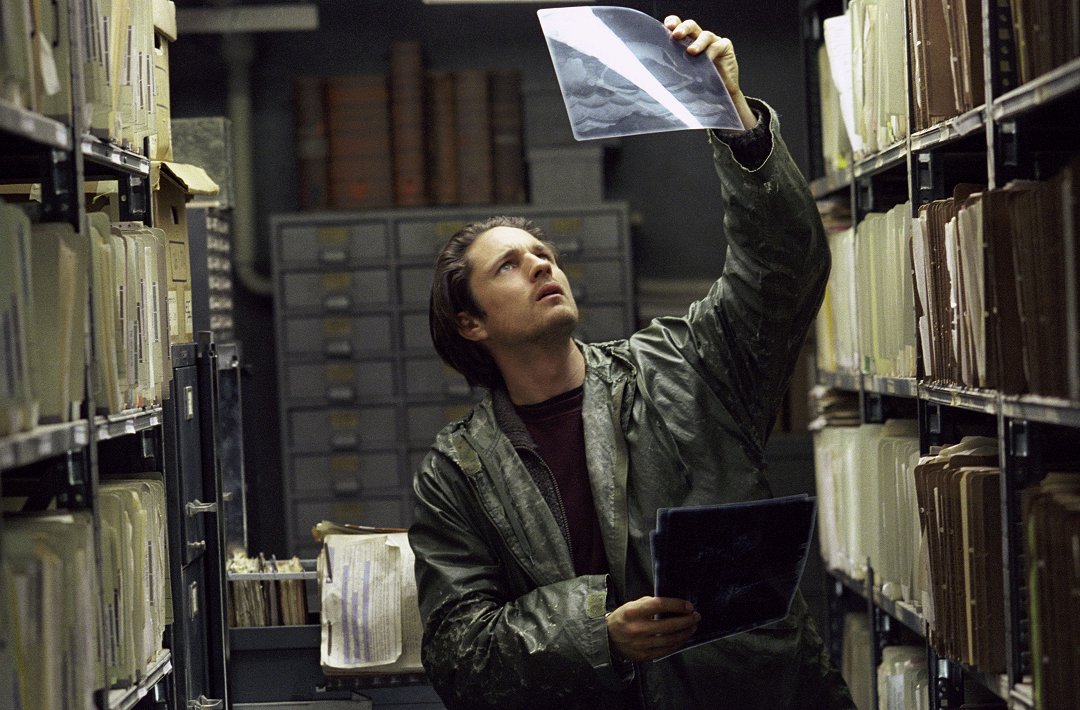
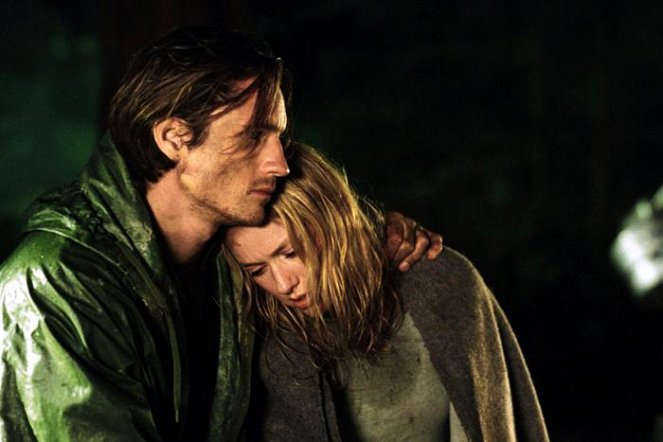
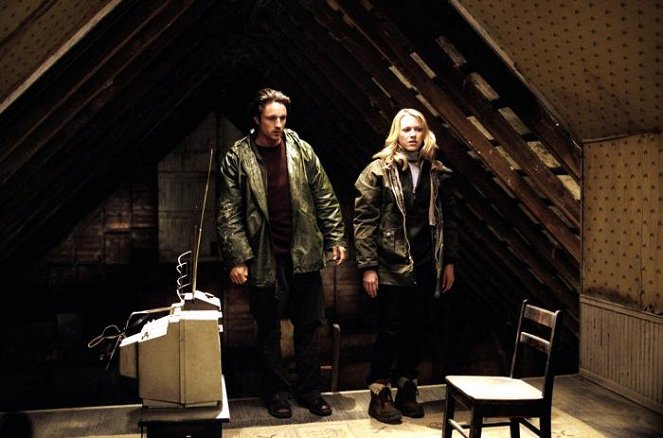
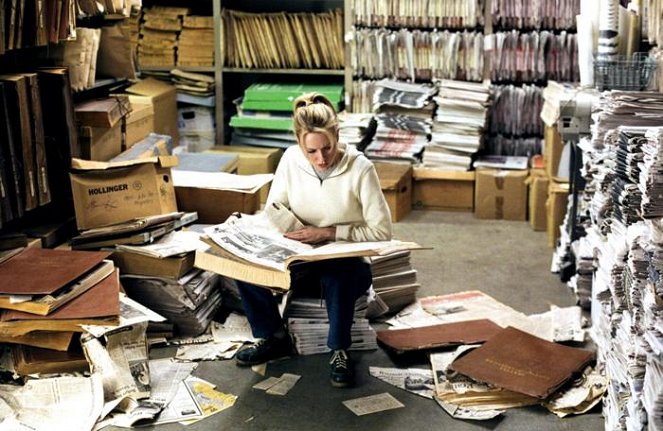
Another major strength of the film is its pacing and sense of mystery. Rather than relying heavily on jump scares, The Ring builds tension slowly. Much of the film unfolds like a supernatural investigation, as Rachel and her ex-boyfriend Noah, played by Martin Henderson, track down clues about the origins of the tape. Their investigation eventually leads them to the story of Samara Morgan, the ghostly figure responsible for the curse. Samara was an adopted child with disturbing psychic abilities that drove those around her to madness. Her tragic past and violent death lie at the center of the film’s horror.
The character of Samara is one of the most memorable elements of The Ring. Unlike many horror villains who rely on physical violence, Samara represents something more abstract and terrifying. She is a symbol of unresolved trauma, vengeance, and supernatural power. Her appearance—long black hair covering her face, pale skin, and unnatural movements—has become one of the most recognizable images in modern horror. The infamous scene in which she crawls out of a television set toward her victim is widely regarded as one of the most shocking and iconic moments in horror film history.
Sound design and music also play a significant role in creating the film’s atmosphere. The score by Hans Zimmer is subtle but deeply unsettling, relying on eerie tones and minimalistic compositions to heighten the sense of dread. Silence is often used just as effectively as music, allowing the tension to build naturally. The film’s sound design contributes to the overall feeling that something unseen and unstoppable is closing in on the characters.
One of the most interesting aspects of The Ring is its underlying theme about the spread of media and information. The cursed videotape acts almost like a viral phenomenon long before the age of social media. The only way to escape the curse is to make a copy of the tape and show it to someone else, effectively passing the curse on. This idea creates a disturbing moral dilemma: survival requires sacrificing another person. In this way, the film explores themes of guilt, responsibility, and the dark side of human survival instincts.
The ending of the film reinforces this theme in a chilling way. Rachel initially believes she has broken the curse by helping to uncover Samara’s remains and giving her a proper burial. However, when Noah watches the tape and dies anyway, Rachel realizes the truth: the curse was never meant to be resolved through compassion or justice. Instead, the only way to survive is to continue spreading the tape. The film ends with Rachel helping her son make a copy of the tape, implying that the cycle of death will continue indefinitely.
In conclusion, The Ring (2002) is a masterful horror film that successfully blends psychological tension, supernatural mystery, and haunting visual imagery. Its slow-building atmosphere, strong performances, and unforgettable villain make it one of the standout horror films of its era. More than two decades after its release, the film still holds up remarkably well and continues to influence modern horror cinema. By focusing on mood and storytelling rather than cheap scares, The Ring proves that the most effective horror often comes from what we cannot fully understand or escape.
Horror / Mystery
USA / Japan, 2002, 111 min
Director: Gore Verbinski
Based on: Koji Suzuki (novel)
Screenplay: Ehren Kruger, Hiroshi Takahashi (original screenplay)
Cinematography: Bojan Bazelli
Music: Hans Zimmer
Cast: Naomi Watts, Martin Henderson, Brian Cox, David Dorfman, Jane Alexander, Lindsay Frost, Amber Tamblyn, Rachael Bella, Daveigh Chase, Shannon Cochran, Richard Lineback, Adam Brody, Alan Blumenfeld, Pauley Perrette, Sasha Barrese, Sara Rue, Joe Sabatino, Joe Chrest, Gary Carlos Cervantes, Art Frankel, Stephanie Erb, Lindsey Stoddart, Keith Campbell, David Povall, Michael Spound, Chuck Hicks, Ronald William Lawrence, Maury Ginsberg, Tess Hall, Catherine Paolone
Producers: Walter F. Parkes, Laurie MacDonald
Casting: Denise Chamian
Editing: Craig Wood
Sound: Tim Holland, Lora Hirschberg, Tom Johnson, Lee Orloff
Production Design: Tom Duffield, Rosemary Brandenburg
Make-Up: Jean Ann Black, Jamie Kelman, Kazu Hiro, Rick Baker, Glen P. Griffin
Costume Design: Jirina Eisenhamerova, Julie Weiss