In recent years, survival thrillers have seen a resurgence in popularity, blending psychological tension with physical endurance stories that push characters to their limits. Send Help (2026) attempts to tap into that trend by delivering a tense, character-driven survival drama set against a hostile and unforgiving environment. While the film leans on familiar genre conventions, it manages to carve out its own identity through strong performances, a focused narrative, and a constant sense of vulnerability that keeps the audience invested from beginning to end.
The story centers on two strangers who find themselves stranded after a catastrophic accident leaves them isolated in a remote location with little hope of immediate rescue. With minimal resources, no communication with the outside world, and a growing realization that survival will depend entirely on their ability to cooperate, the film quickly establishes a tense and emotionally charged atmosphere. The title itself becomes both a literal plea and a thematic reflection of the characters’ internal struggles as they attempt to maintain hope in a situation that seems increasingly hopeless.
One of the film’s greatest strengths is its simplicity. Rather than overcomplicating the plot with unnecessary twists or elaborate backstories, the narrative focuses almost entirely on the evolving relationship between the two main characters. At first, their interaction is marked by distrust and frustration. They come from different backgrounds, possess very different personalities, and initially struggle to find common ground. However, as their circumstances become more desperate, the walls between them slowly begin to crumble. The film uses this dynamic effectively, turning what could have been a straightforward survival story into a more intimate exploration of human resilience and connection.
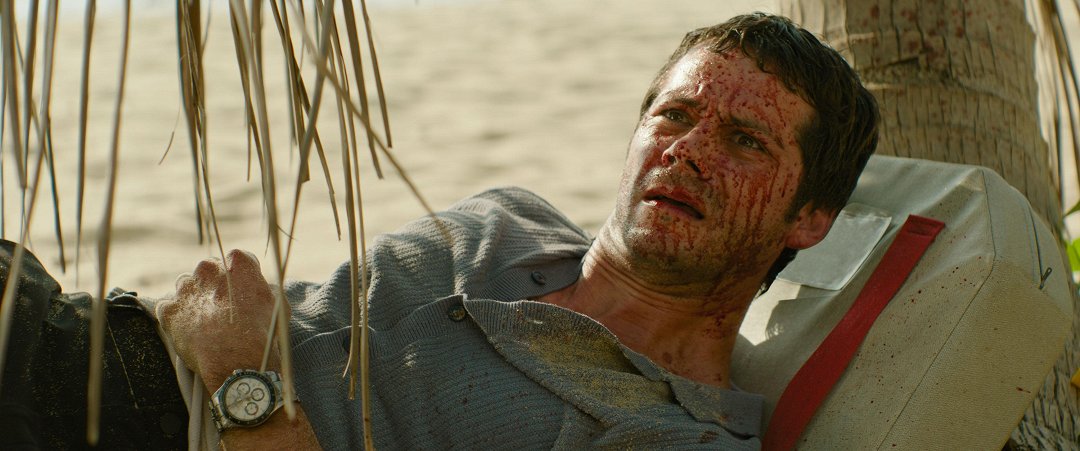
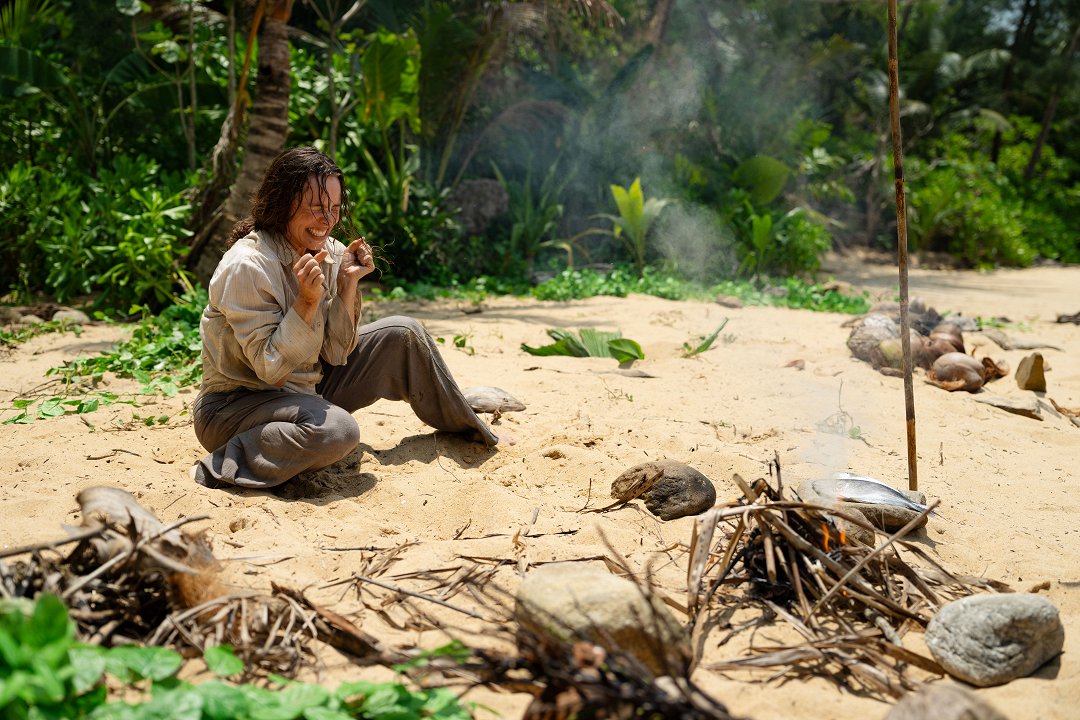
The pacing of Send Help is deliberate and patient, allowing the tension to build gradually. Early scenes focus on the shock and confusion that follows the disaster, emphasizing the characters’ attempts to understand their situation. As time passes, the film shifts toward the harsh realities of survival—finding food, dealing with injuries, and confronting the psychological toll of isolation. These moments feel authentic and grounded, largely because the film avoids sensationalism. Instead of relying on constant action, it emphasizes small, realistic struggles that feel believable.
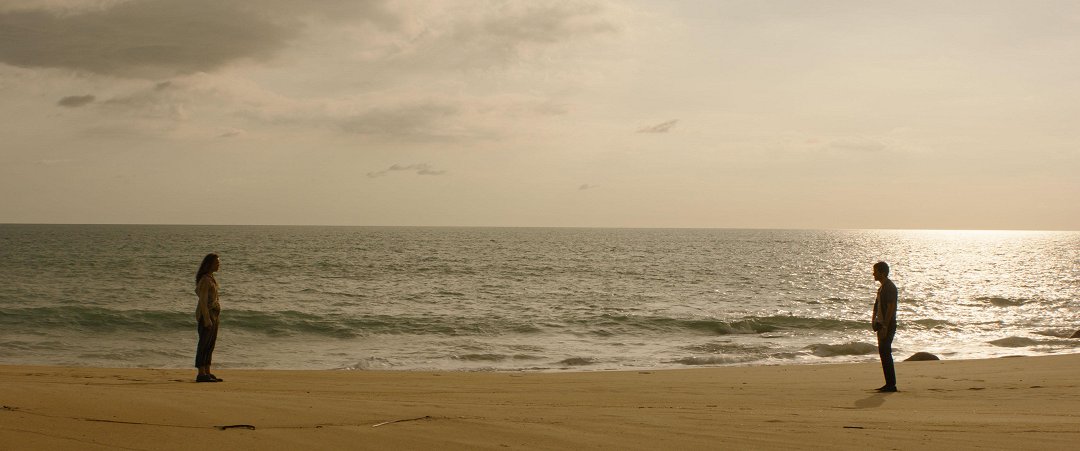
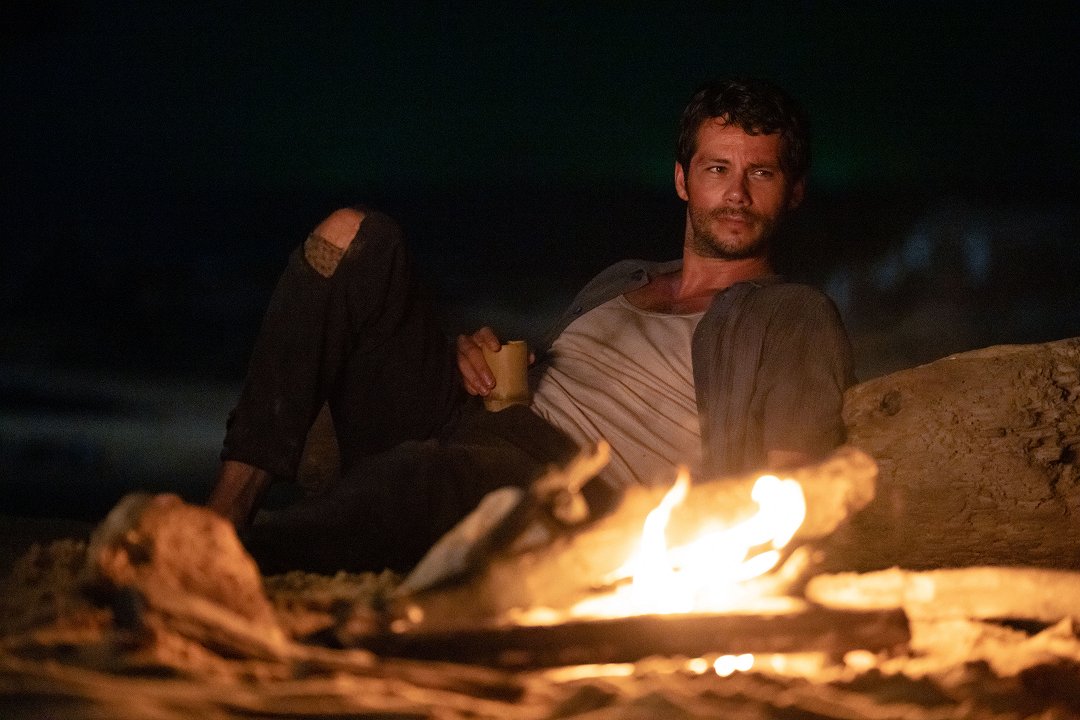
Visually, the film does an excellent job of capturing the oppressive beauty of its setting. The environment is both stunning and terrifying, reminding the audience that nature can be breathtaking while also being completely indifferent to human survival. Wide shots of the landscape emphasize how small and vulnerable the characters are in comparison to their surroundings. The cinematography frequently contrasts moments of quiet beauty with sudden bursts of danger, reinforcing the unpredictable nature of their situation.
Another standout aspect of the film is its sound design. Silence plays a major role throughout the story, often making scenes feel even more tense than if they were filled with music or dialogue. The absence of sound allows small environmental details—wind, distant waves, rustling debris—to become part of the storytelling. When music does appear, it is used sparingly, typically during moments of emotional intensity or turning points in the narrative.
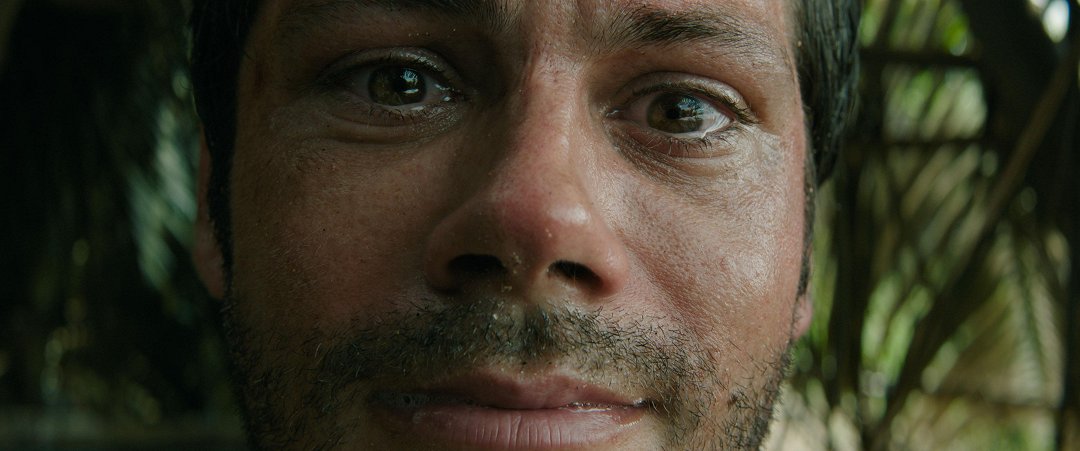
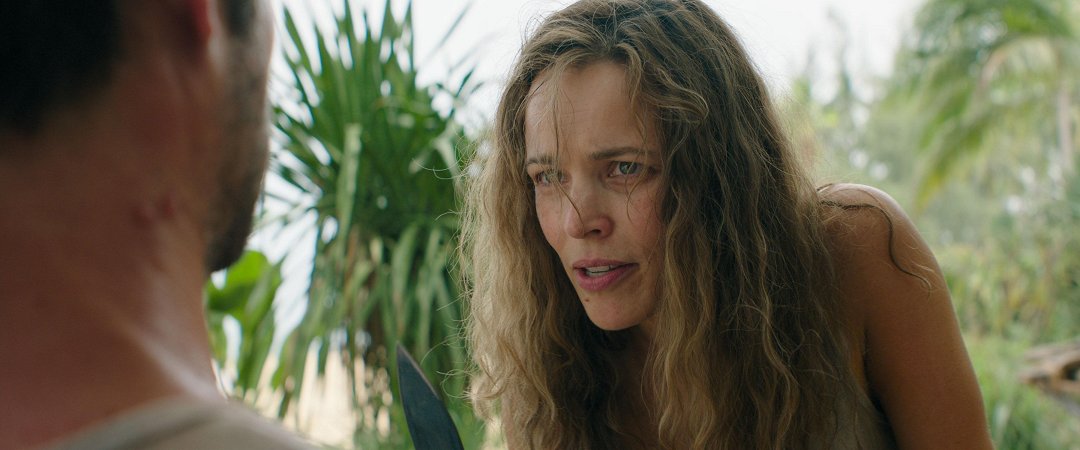
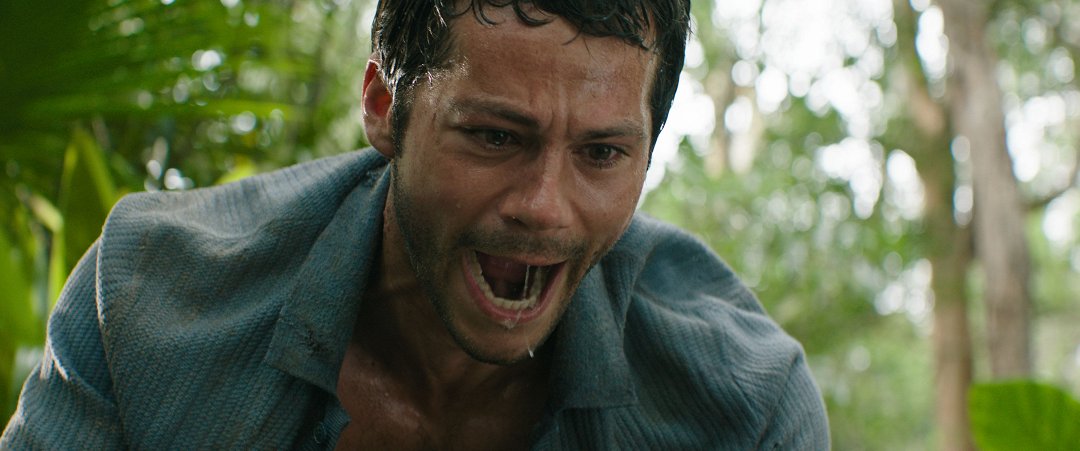
The performances are arguably the backbone of Send Help. With such a small cast, the film relies heavily on the actors’ ability to carry the story through their emotional range. Both lead performances feel raw and believable. The characters experience fear, anger, exhaustion, and moments of fragile hope, and the actors convey these emotions convincingly. There are scenes where the dialogue is minimal, yet the tension remains palpable simply through facial expressions and body language.
What makes the characters particularly engaging is that they are far from perfect. They make mistakes, argue, and sometimes act selfishly. However, these flaws make them feel more human. Survival stories often risk turning protagonists into unrealistically capable heroes, but Send Help resists that temptation. Instead, it shows how ordinary people might realistically react when pushed into extraordinary circumstances.
The film also explores deeper themes beneath its survival narrative. At its core, Send Help is about communication and human connection. The characters initially struggle to understand each other, but as their situation worsens, they begin to open up about their pasts, regrets, and fears. These moments provide emotional depth and prevent the film from becoming a purely physical survival story. The title takes on additional meaning as the characters realize that asking for help—both physically and emotionally—is not a sign of weakness but a necessary part of survival.
Of course, the film is not without its flaws. Some viewers may find the slow pacing challenging, particularly during the middle portion of the story where the narrative focuses heavily on character development rather than external conflict. Additionally, certain survival elements occasionally stretch believability, particularly when it comes to the characters’ ability to endure harsh conditions for extended periods of time. However, these issues are relatively minor compared to the overall effectiveness of the film.
Another potential criticism is that the story does not radically reinvent the survival genre. Many of its narrative beats will feel familiar to audiences who have seen similar films. Yet what Send Help lacks in originality, it makes up for in execution. The film understands the emotional core of the genre and delivers a story that feels sincere rather than formulaic.
Ultimately, Send Help (2026) succeeds because it focuses on the human element of survival. While the harsh environment and physical challenges provide the backdrop, the real story lies in the evolving bond between two people who initially have little reason to trust one another. Through shared hardship, they discover strength not only in themselves but also in their ability to rely on someone else.
By the time the film reaches its final act, the audience has become deeply invested in the characters’ fate. The tension builds steadily toward a climax that feels both emotionally satisfying and consistent with the film’s grounded tone. Without relying on over-the-top spectacle, Send Help delivers a conclusion that emphasizes hope, resilience, and the enduring power of human connection.
In the end, Send Help may not completely redefine the survival thriller, but it stands as a compelling and emotionally engaging entry in the genre. With strong performances, atmospheric visuals, and a thoughtful exploration of human relationships under extreme pressure, the film proves that sometimes the most gripping stories come from the simplest premises. For viewers who appreciate character-driven thrillers and tense survival dramas, Send Help (2026) offers a gripping and surprisingly heartfelt cinematic experience.











Thriller / Horror / Comedy
USA, 2026, 113 min
Director: Sam Raimi
Screenplay: Damian Shannon, Mark Swift
Cinematography: Bill Pope
Music: Danny Elfman
Cast: Rachel McAdams, Dylan O’Brien, Xavier Samuel, Dennis Haysbert, Chris Pang, Emma Raimi, Thaneth Warakulnukroh, Edyll Ismail, Bruce Campbell
Producers: Sam Raimi, Zainab Azizi
Casting: Nancy Nayor
Editing: Bob Murawski
Sound: Marti D. Humphrey
Make-up: Chiara Tripodi
Costume Design: Anna Cahill