For decades, the story of the Mummy has been retold in many different forms, from classic monster cinema to modern action adventures. In 2026, director Lee Cronin—best known for bringing raw intensity and brutal horror to his films—takes on the legendary monster with a completely new vision in The Mummy. Rather than repeating the adventurous tone of earlier adaptations, Cronin leans heavily into atmospheric horror, creating a darker, more disturbing interpretation of the ancient curse. The result is a film that feels both familiar and surprisingly fresh.
From the very beginning, The Mummy makes it clear that it wants to distance itself from the blockbuster spectacle that audiences might associate with previous versions of the story. Instead of large-scale action scenes and flashy CGI set pieces, Cronin focuses on tension, dread, and a slow-building sense of unease. The film opens with an archaeological discovery in a remote desert region, where a team of researchers uncovers a sealed tomb believed to belong to a mysterious and powerful figure from ancient times. Of course, curiosity quickly turns into catastrophe once the tomb is opened.
Cronin takes his time establishing the characters and their motivations, which helps the audience connect with them before things begin to spiral out of control. Unlike many modern horror films that rush straight into chaos, The Mummy spends its first act carefully building atmosphere. The tomb itself becomes a character of its own—dark, claustrophobic, and filled with unsettling imagery that hints at the horrors to come.
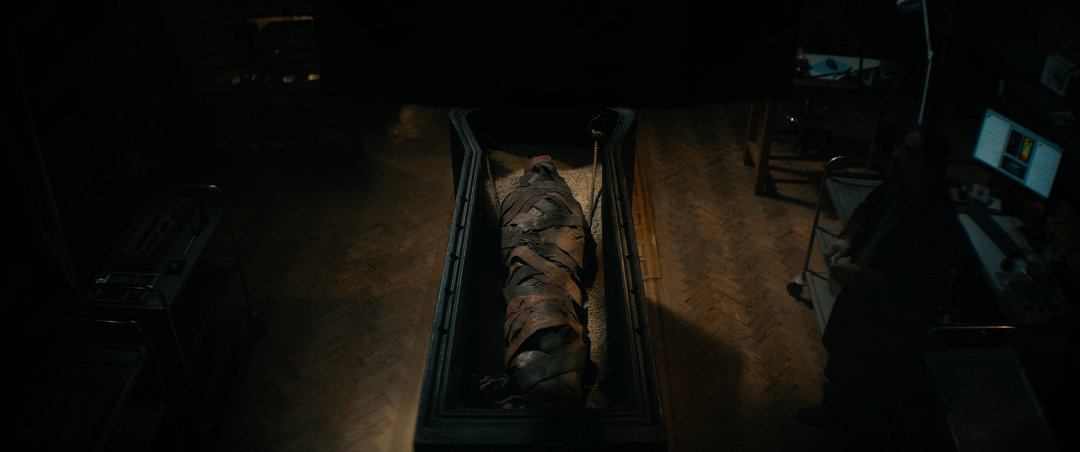
Visually, the film is striking. The cinematography uses deep shadows, flickering torchlight, and dusty textures to create a constant sense of decay and ancient mystery. Instead of relying on overly polished digital environments, the production design feels grounded and tactile. The stone corridors, hieroglyph-covered walls, and crumbling chambers give the film a grim authenticity that enhances the horror elements.
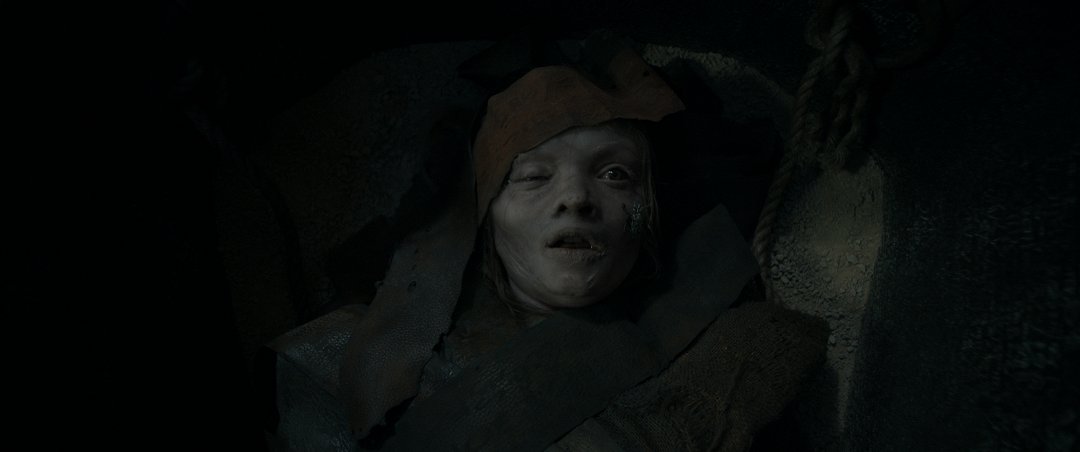
When the Mummy finally appears, the film shifts into a much more intense and terrifying experience. Cronin avoids presenting the creature as a simple monster; instead, it feels like something ancient, cursed, and almost supernatural in its presence. The design of the Mummy is particularly effective. It looks weathered, grotesque, and disturbingly human at the same time, which makes every appearance deeply unsettling.
What makes Cronin’s interpretation interesting is the way the curse unfolds. Rather than relying solely on physical attacks, the horror spreads through psychological terror and supernatural consequences. Characters begin experiencing strange visions, disturbing dreams, and an overwhelming sense that something is slowly consuming them. This approach keeps the tension high throughout the film and prevents it from falling into predictable horror tropes.
Another strong aspect of the film is its pacing. While some viewers might find the slower first half unusual for a horror movie, it ultimately pays off by making the later scenes far more intense. Once the curse fully takes hold, the story becomes relentless. The characters find themselves trapped not only by the physical dangers surrounding them but also by the unstoppable force they have unleashed.
The performances are also worth mentioning. The cast delivers believable reactions to the increasingly terrifying events unfolding around them. Instead of exaggerated horror-movie panic, the characters often respond with confusion, dread, and desperation, which feels far more realistic. These grounded performances help anchor the supernatural elements of the story and make the danger feel more immediate.
Lee Cronin’s direction is clearly influenced by classic horror filmmaking, but he also brings his own modern sensibilities to the project. Fans of atmospheric horror will likely appreciate how the film prioritizes tension over spectacle. The scares are often subtle—quiet footsteps echoing in dark corridors, shadows moving where nothing should be, or the slow realization that the characters are no longer alone.
The sound design plays a huge role in creating this atmosphere. Instead of overwhelming the audience with loud musical cues, the film frequently uses silence or low, ominous tones to build suspense. Every creaking stone, whispering wind, and distant echo adds to the sense that something ancient has awakened.
Of course, no horror film is perfect, and The Mummy does have a few minor issues. Some viewers might feel that the middle portion of the film lingers slightly too long on atmosphere without pushing the story forward. Others may wish for a bit more background on the ancient curse itself. While the mystery adds to the horror, the film leaves certain questions unanswered.
However, these small flaws do little to diminish the overall experience. Cronin clearly set out to create a horror-driven reinvention of a classic monster story, and in that respect he largely succeeds. Instead of competing with previous action-heavy adaptations, this version embraces fear, darkness, and the eerie mythology surrounding ancient curses.
Perhaps the most impressive aspect of the film is how it manages to feel both modern and timeless at the same time. The themes of forbidden knowledge, ancient vengeance, and human curiosity leading to disaster have been part of horror storytelling for generations. Cronin simply presents them through a darker, more psychological lens.
By the time the film reaches its final act, the tension has escalated to a point where the characters are no longer trying to solve the mystery—they are simply trying to survive it. The climax delivers several genuinely intense moments, combining supernatural horror with the tragic consequences of disturbing something that should have remained buried.
In the end, The Mummy (2026) stands as one of the more interesting reinterpretations of a classic horror icon in recent years. It may not appeal to viewers expecting a fast-paced action adventure, but for fans of slow-burning horror and unsettling atmosphere, the film offers plenty to appreciate.
Lee Cronin proves that even a story that has been told many times before can still feel new when approached with a strong vision and respect for the genre’s roots. His version of The Mummy is eerie, grim, and occasionally disturbing—but that is exactly what makes it memorable.
For horror fans looking for something darker and more atmospheric, this resurrection of the legendary monster is definitely worth watching.
In theaters from April 17, 2026 (USA) — Warner Bros.
Horror
USA, 2026, 133 min
Directed by: Lee Cronin
Written by: Lee Cronin
Music by: Stephen McKeon
Cast: Jack Reynor, Veronica Falcón, Laia Costa, May Calamawy, Billie Roy, Hayat Kamille, Natalie Grace, Shylo Molina, May Elghety
Produced by: Jason Blum, James Wan, Lee Cronin, John Keville
Casting by: Sarah Domeier Lindo, Terri Taylor
Production Design: Nick Bassett
Costume Design: Joanna Eatwell