Day of the Dead: Bloodline (2018) is another attempt to revisit the legacy of the classic zombie films that helped define the genre decades ago. Inspired by George A. Romero’s original Day of the Dead concept, this modern reinterpretation tries to combine traditional zombie horror with a more contemporary style of storytelling. While it clearly aims to pay homage to its roots, the film ultimately becomes a mixed experience that will likely divide horror fans.
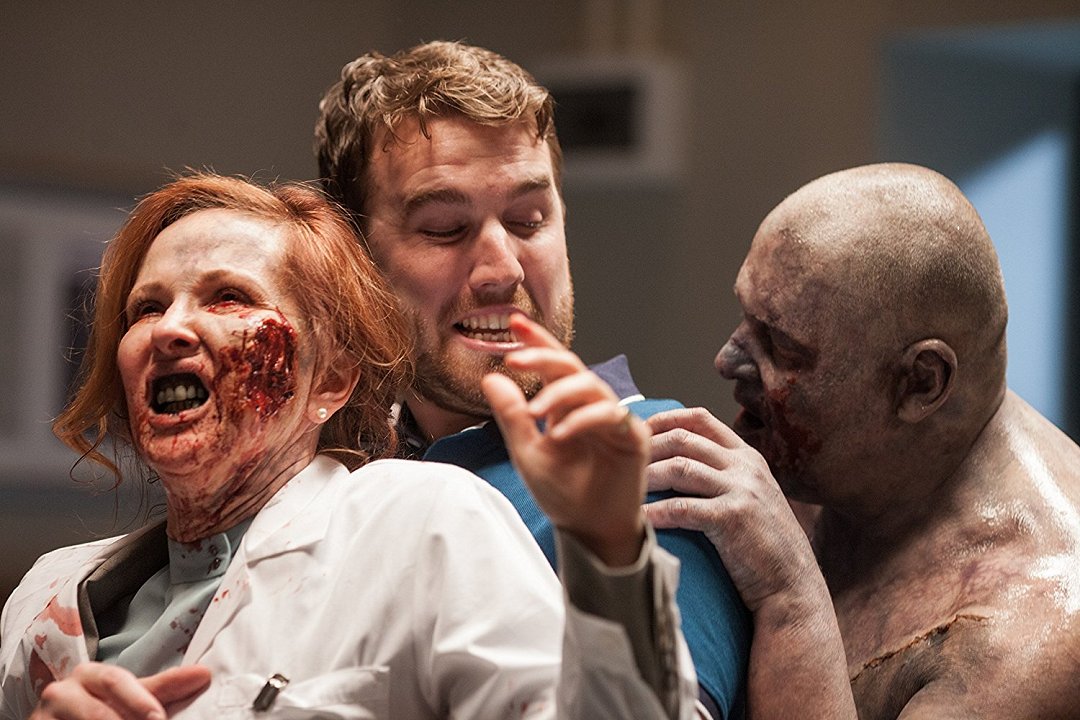
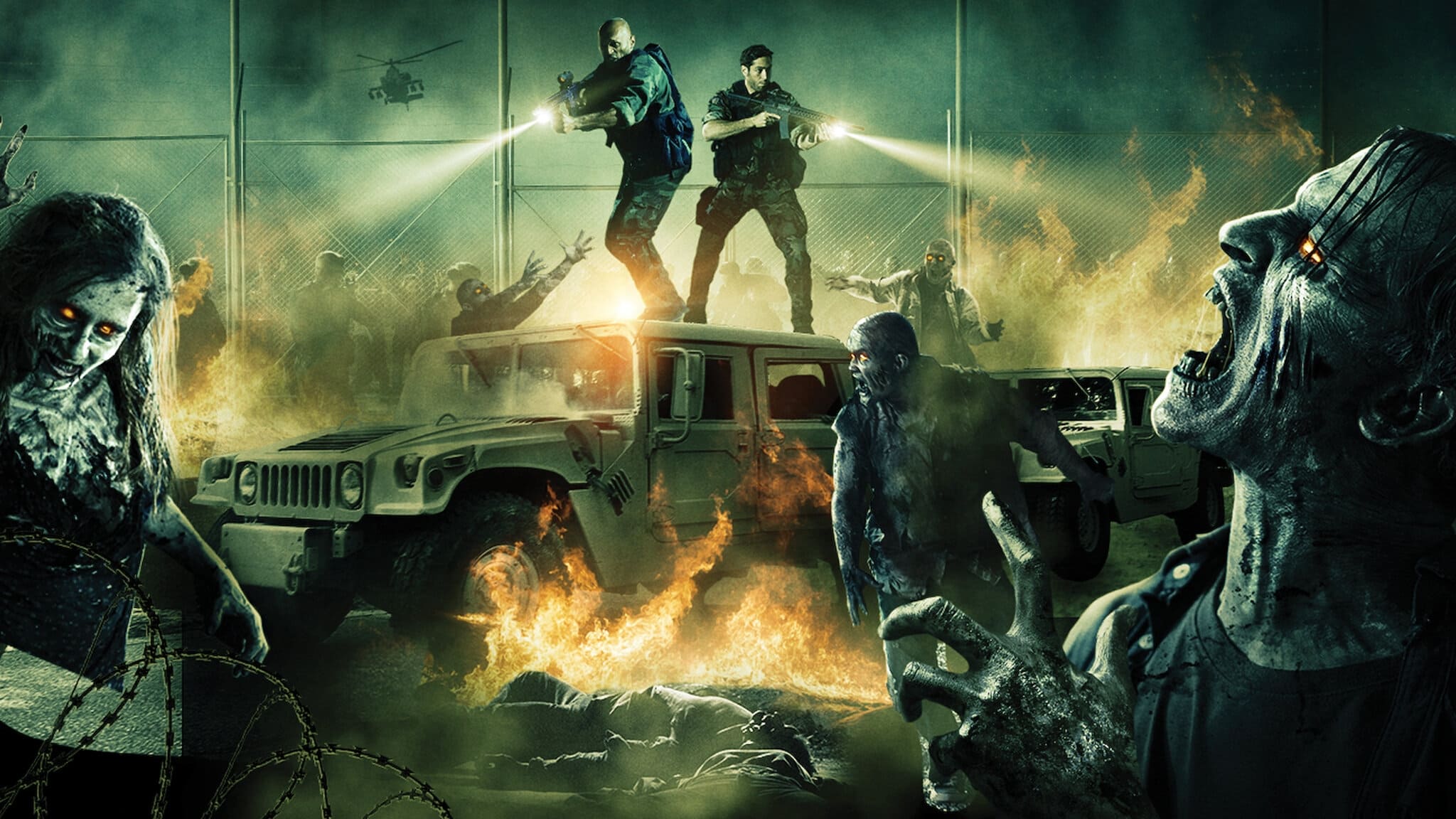
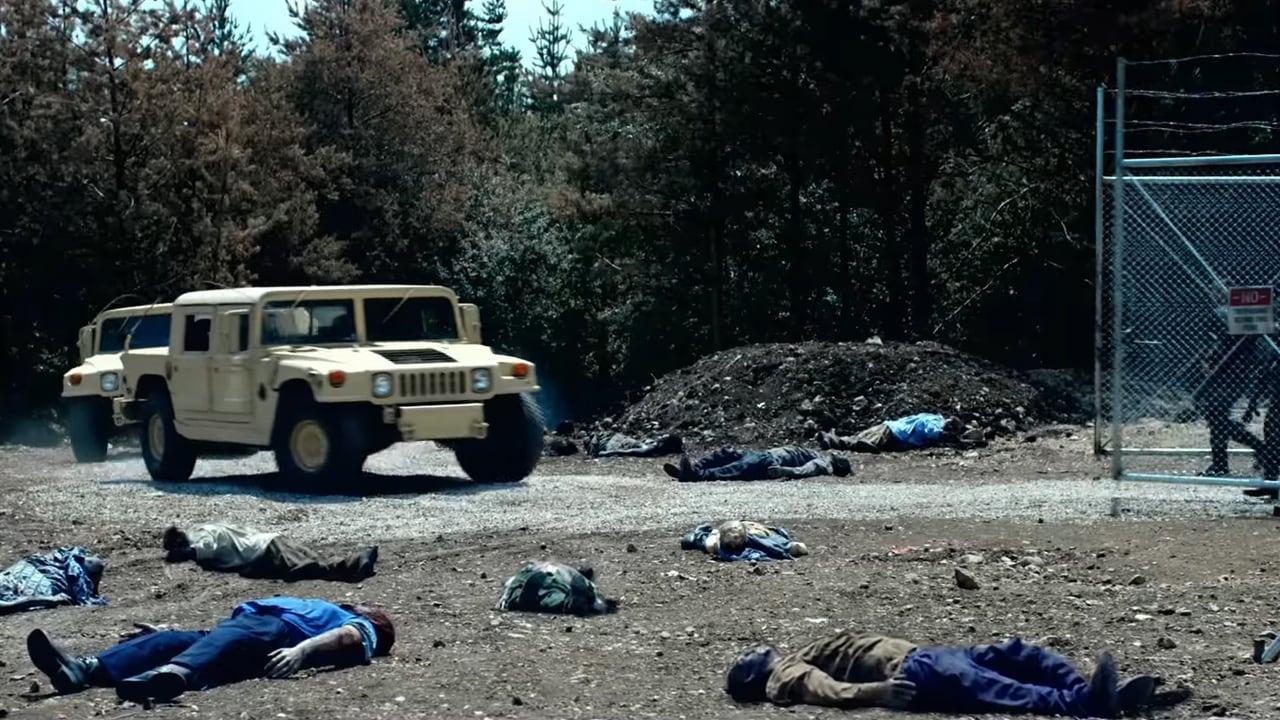
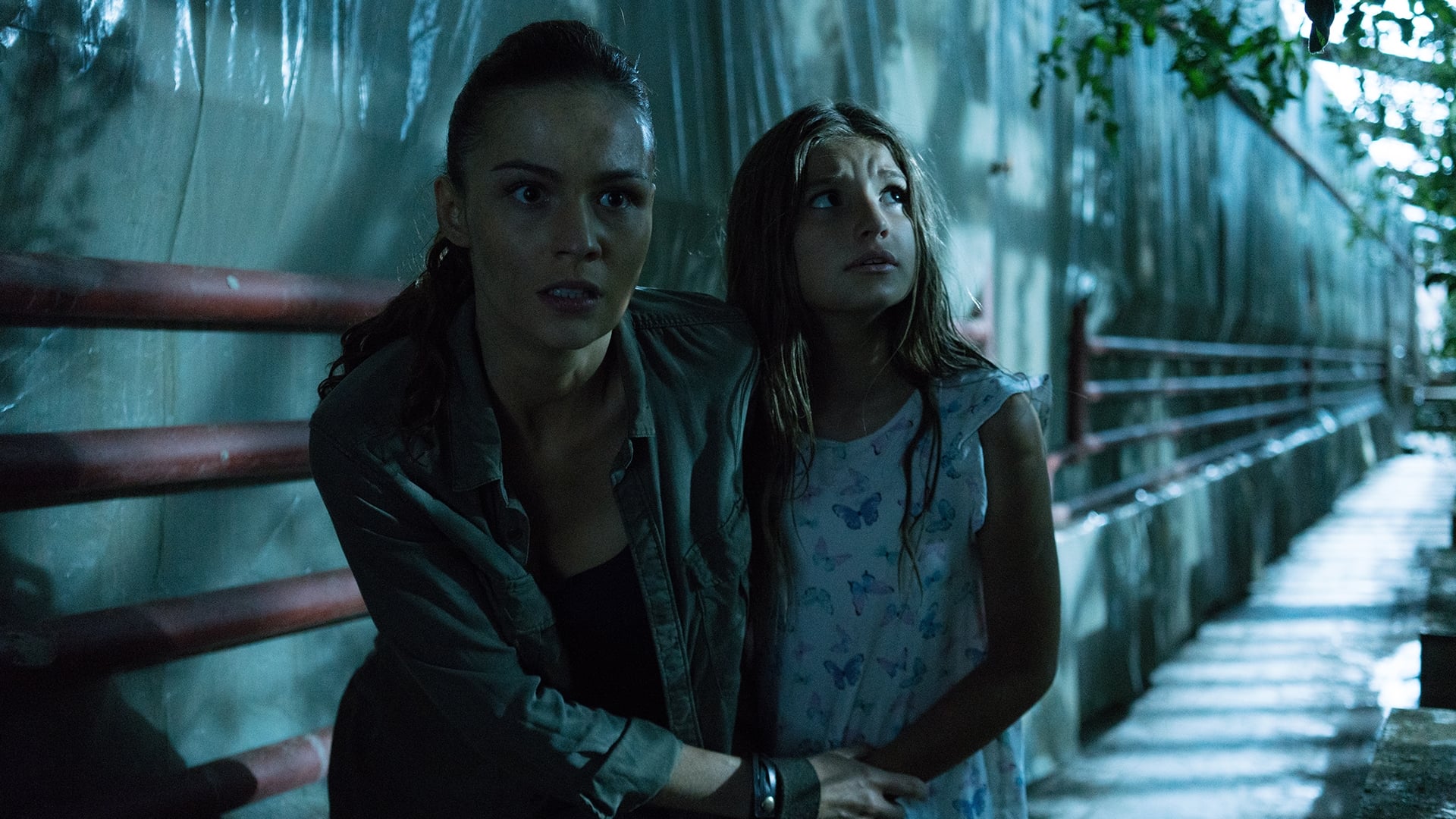
The story takes place in a world that has already been devastated by a zombie outbreak. Civilization has collapsed, and the remaining survivors struggle to maintain a fragile sense of order while hiding from the infected outside. The narrative follows Zoe Parker, a young medical student who survives the early chaos of the outbreak. Years later, she lives inside a fortified military bunker where scientists and soldiers work together to find a cure for the infection.
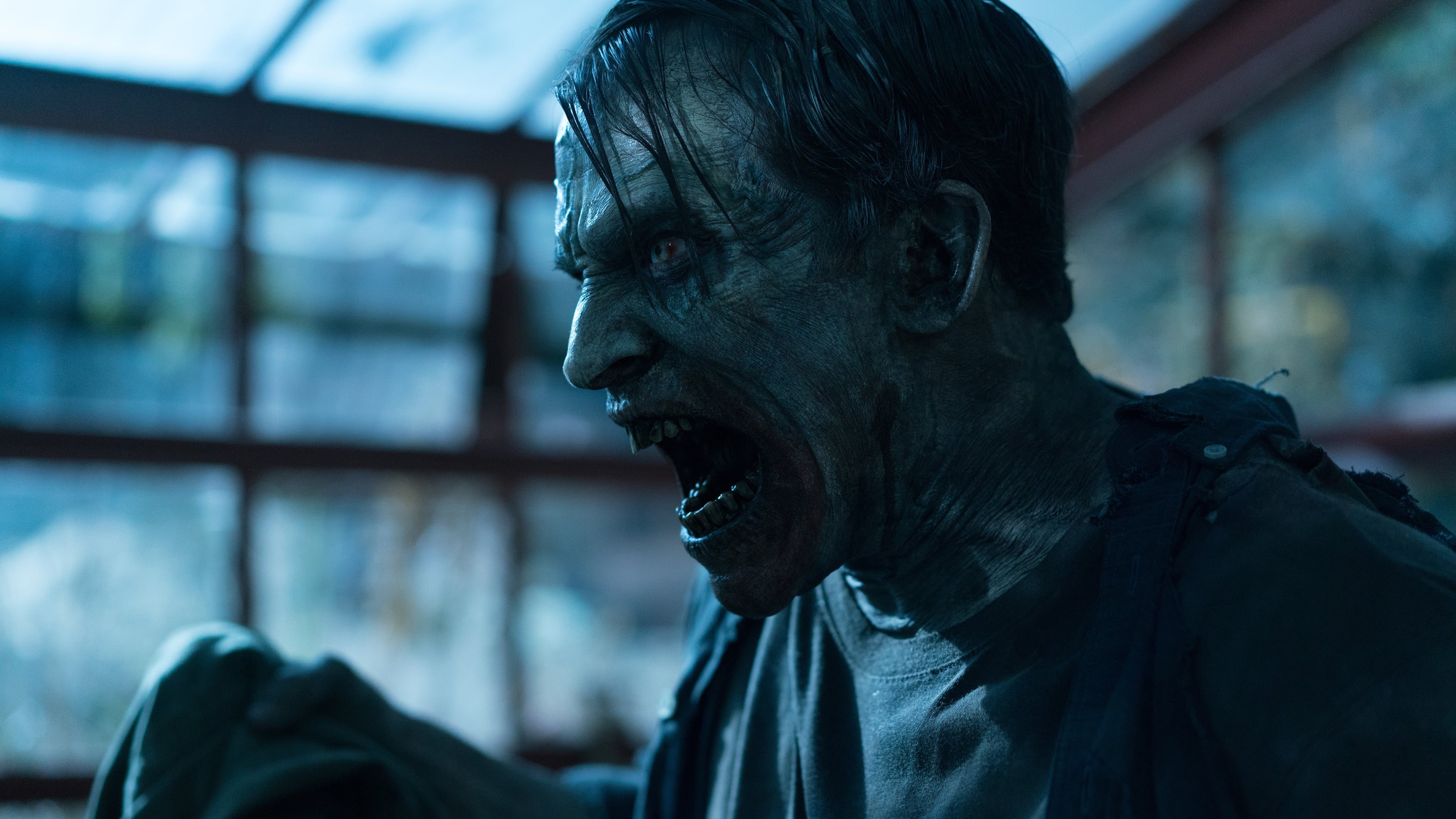
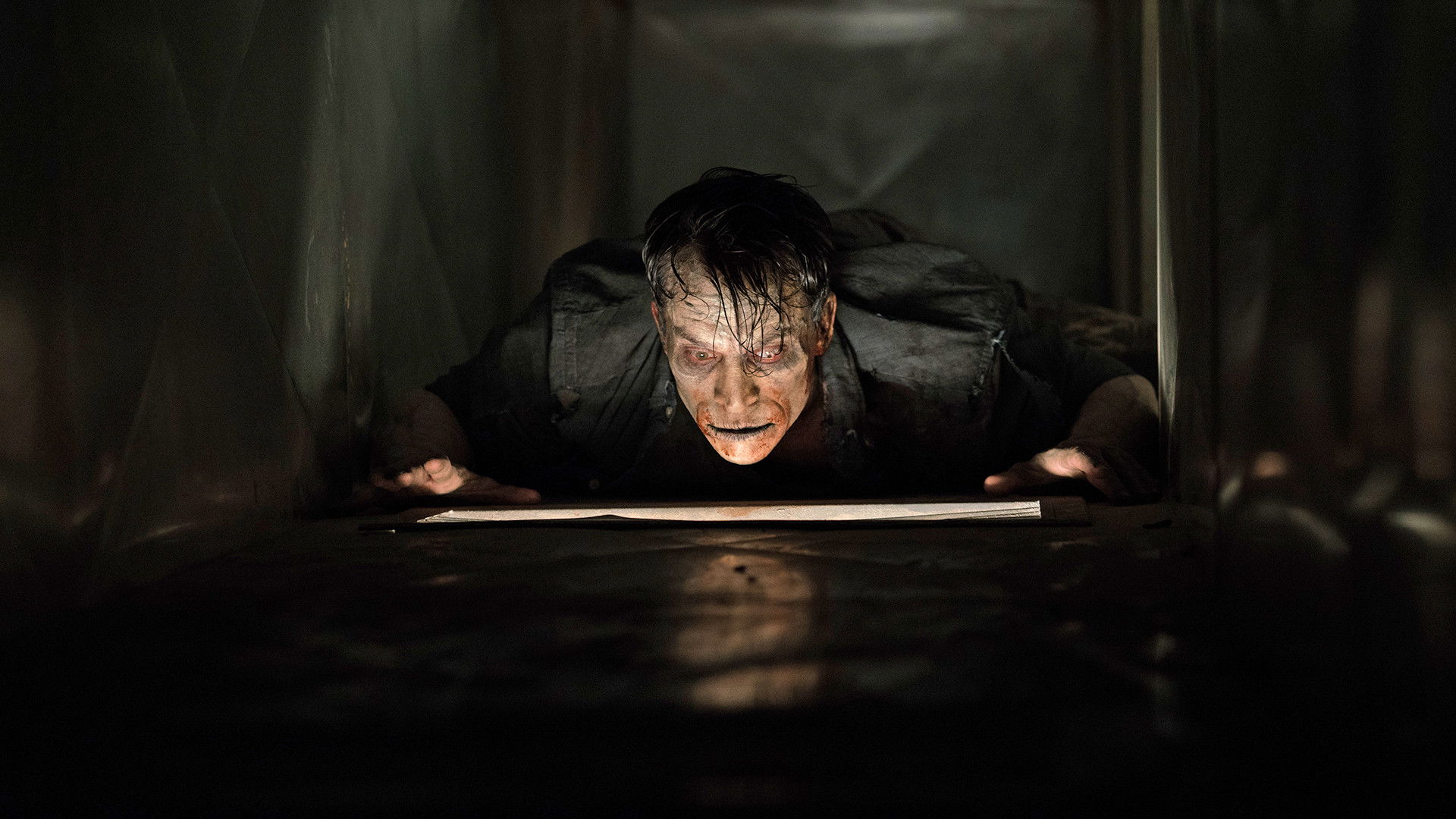
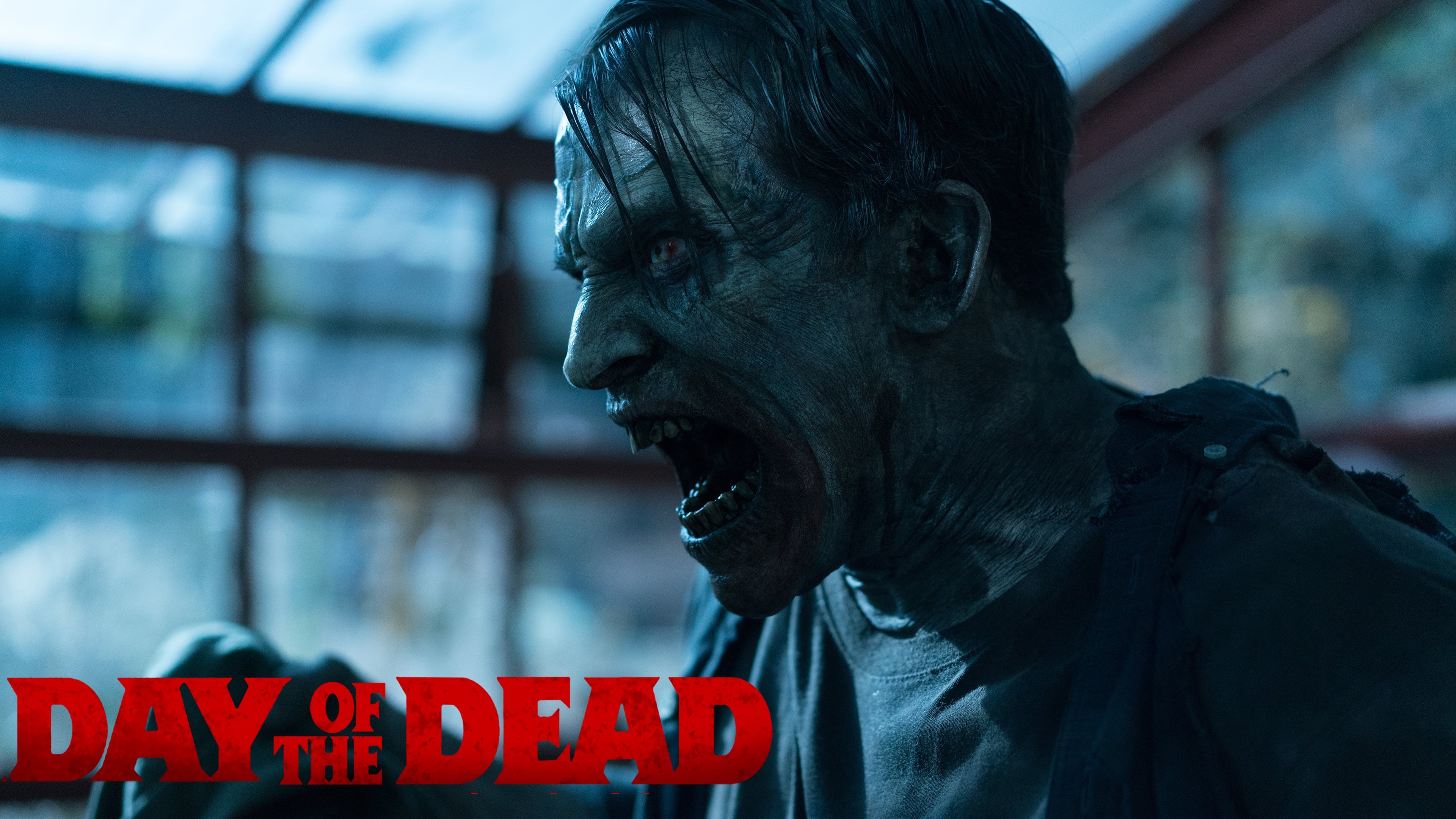
One of the central ideas of the film revolves around the possibility that the zombie virus might be reversible. Zoe believes that somewhere inside the infected brain there could be a way to stop the disease. Unfortunately, the research requires experimenting on one particularly dangerous zombie known as Max, a former stalker who had an unhealthy obsession with Zoe before the apocalypse began. Even after becoming infected, Max seems to retain fragments of his previous personality, which makes him both terrifying and strangely fascinating.
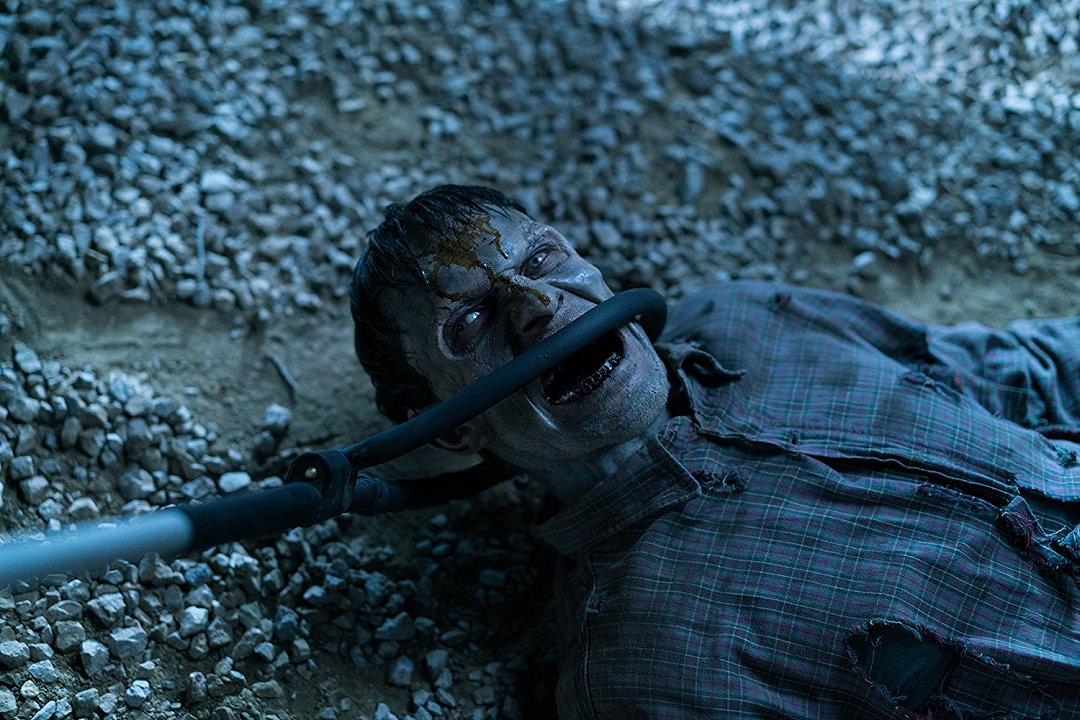
This concept has a lot of potential. The idea that a zombie might still hold traces of human memory adds a disturbing psychological layer to the typical zombie narrative. Instead of being purely mindless monsters, the infected in this film sometimes appear as twisted echoes of their former selves. In theory, this should create a deeper emotional tension. However, the film does not always explore this idea as fully as it could.
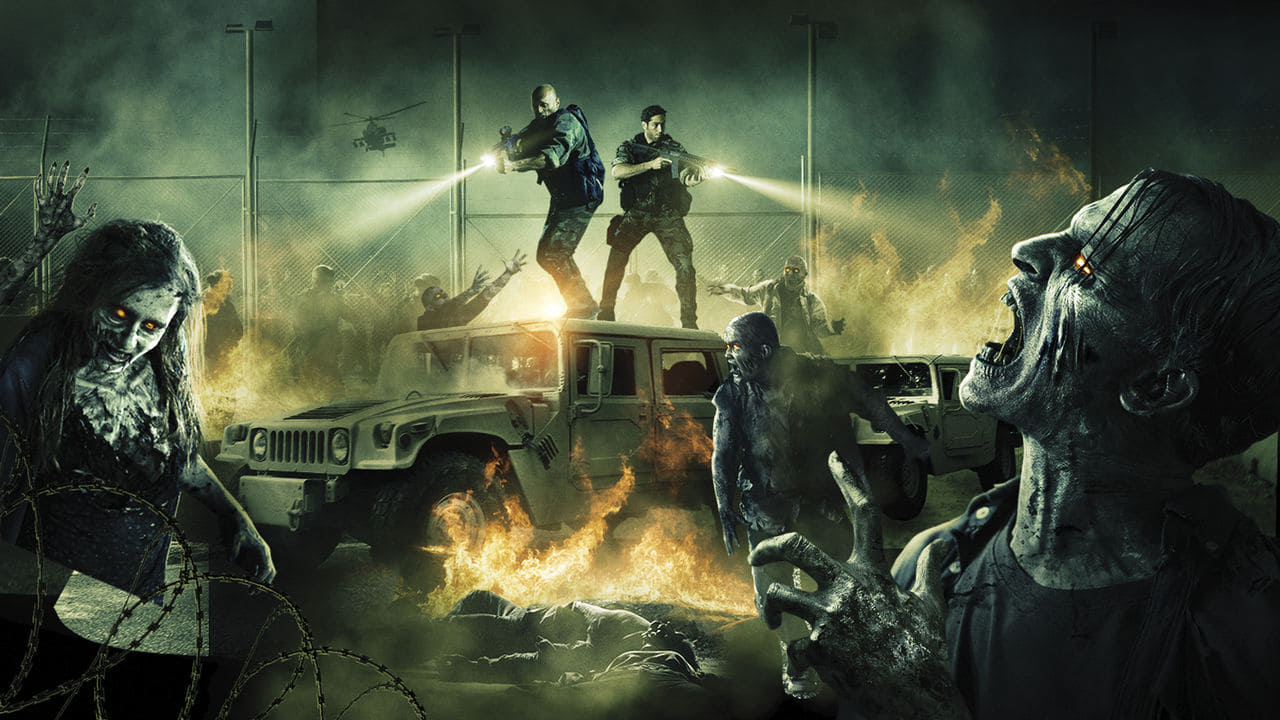
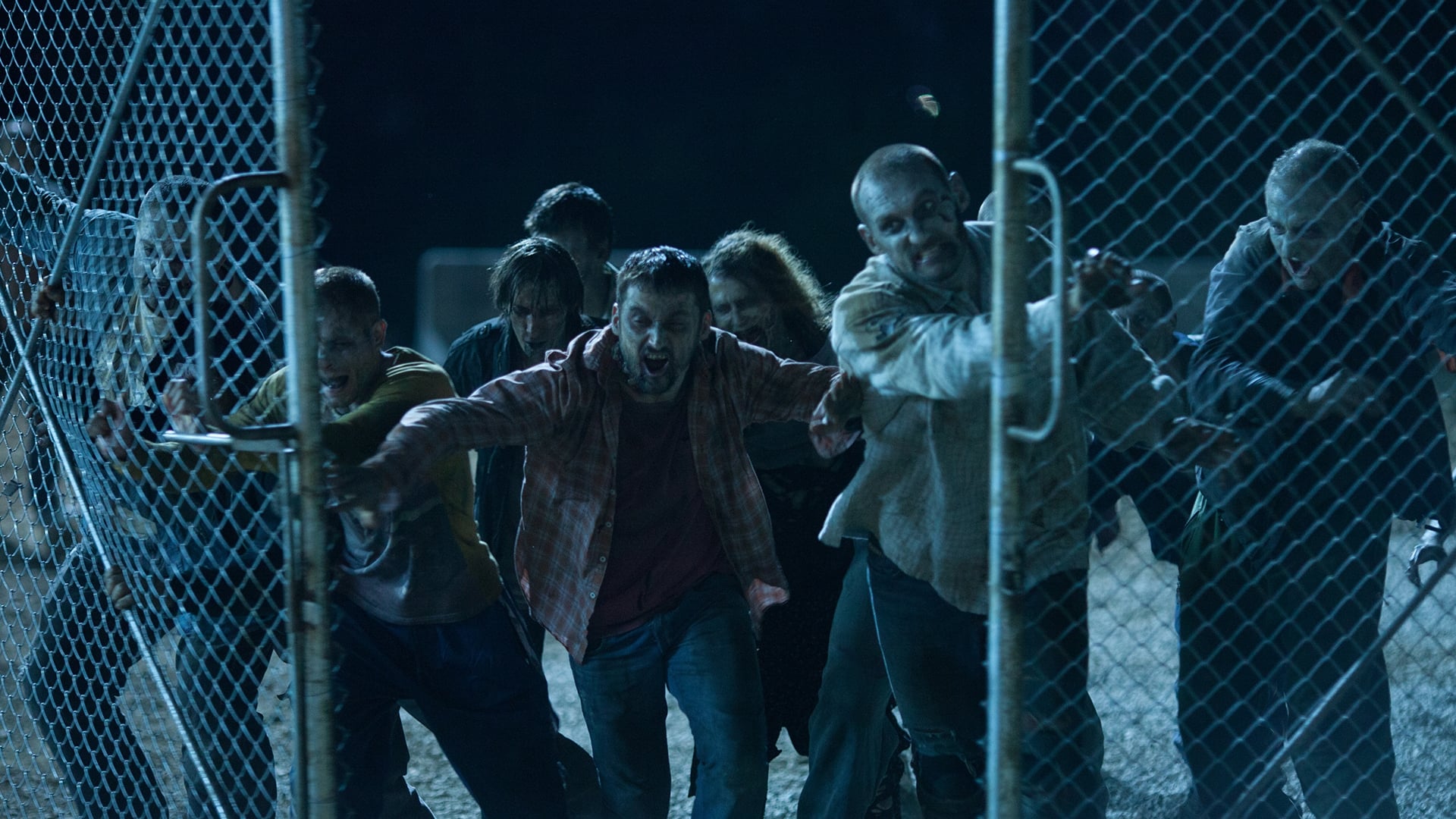
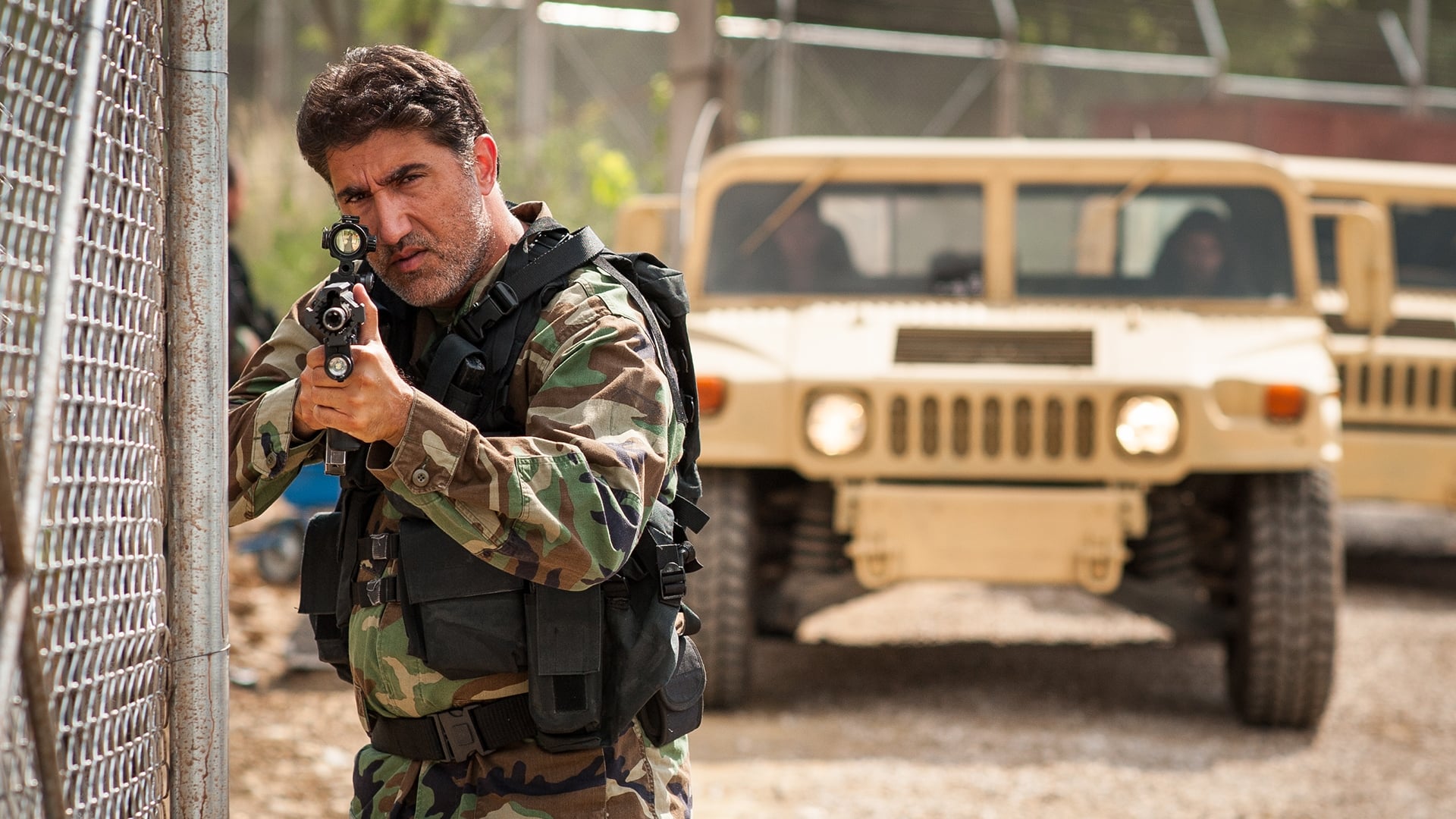
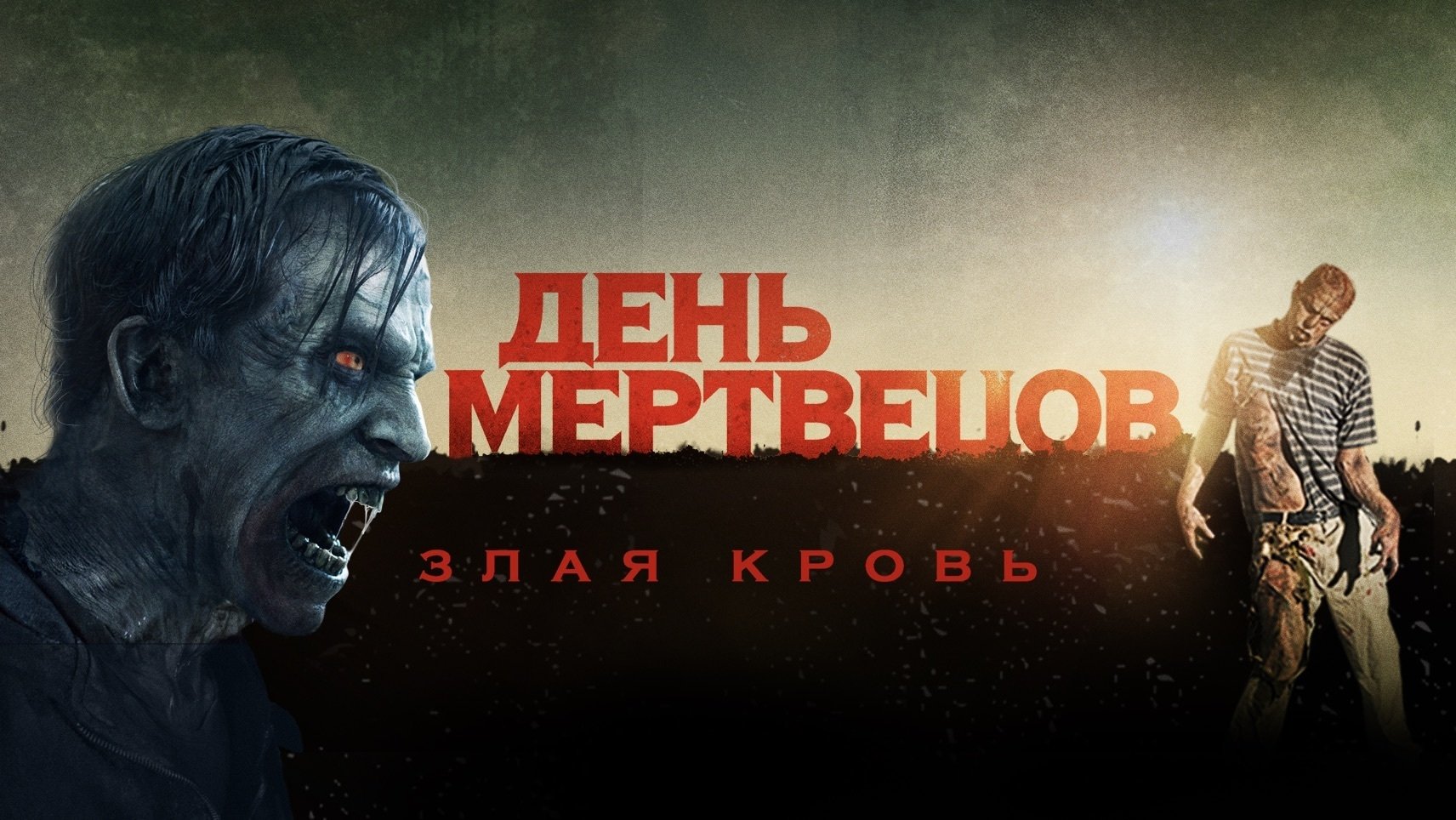
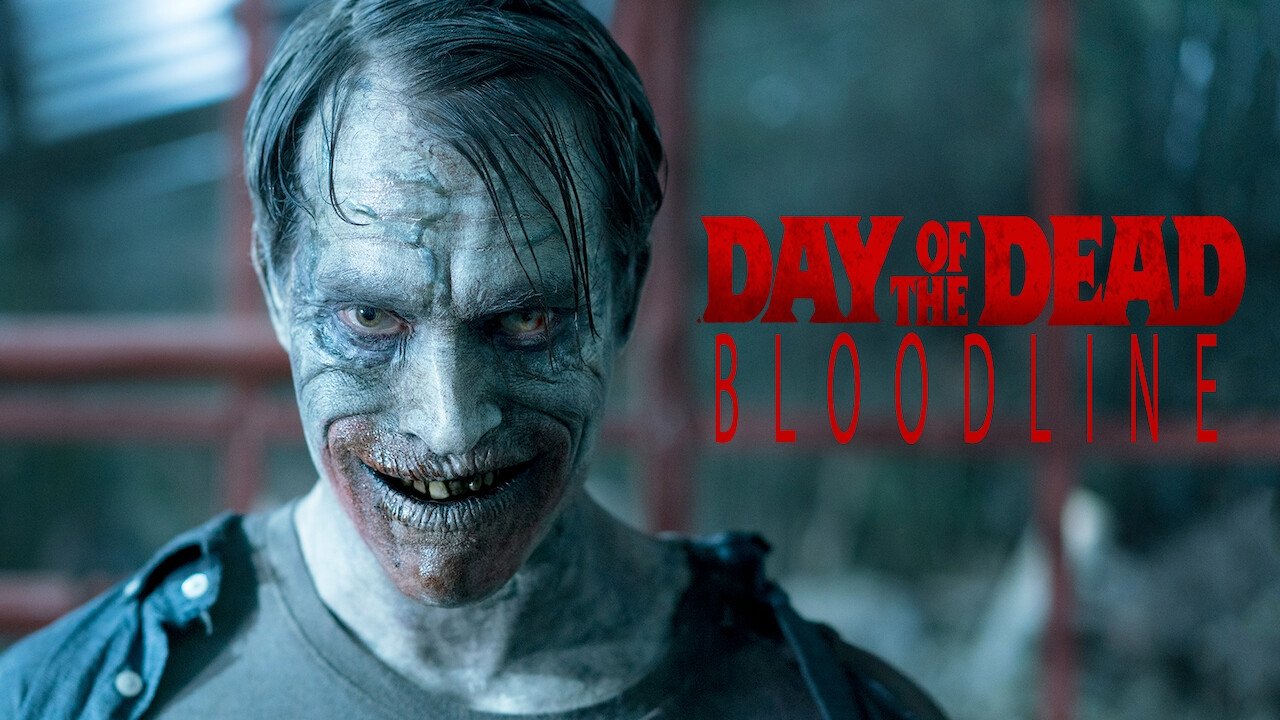
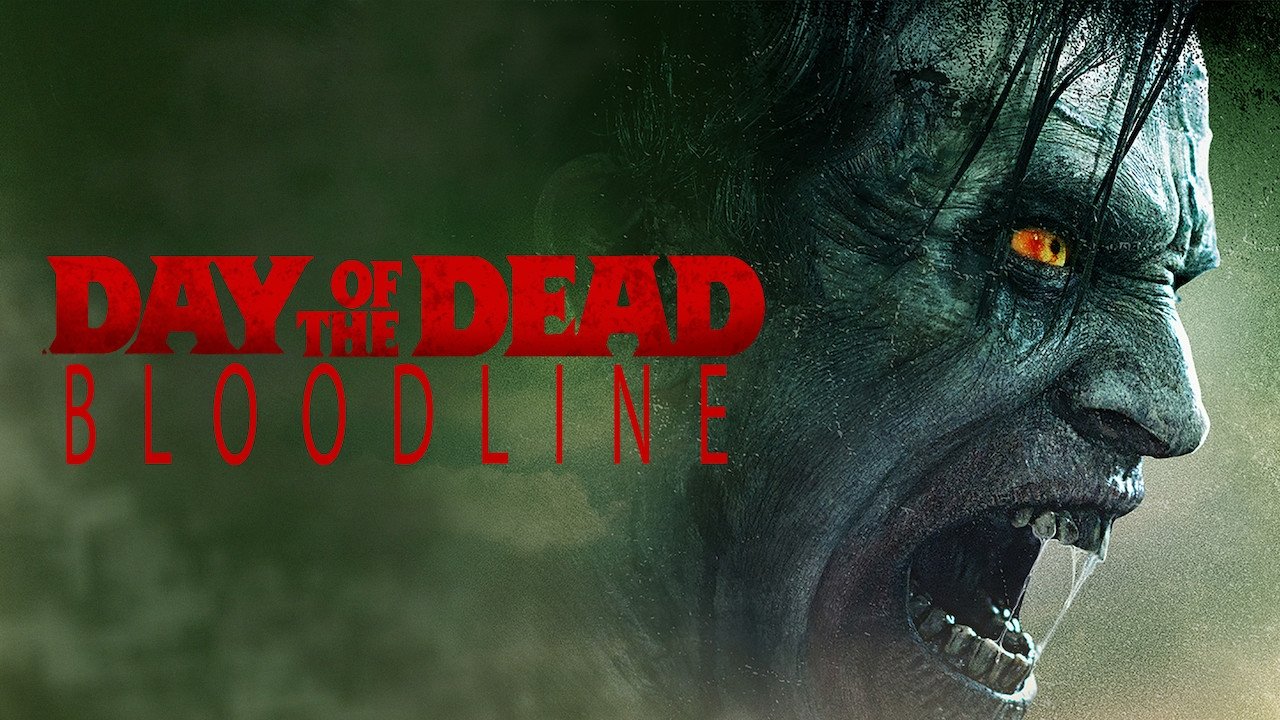
Visually, Day of the Dead: Bloodline does manage to deliver some effective horror moments. The zombies are aggressive, fast, and often extremely violent. Several scenes feature intense chases and brutal attacks that highlight the danger outside the bunker walls. The makeup and gore effects are also fairly convincing, especially for a film with a modest budget. Fans who enjoy graphic zombie violence will probably find several moments that satisfy their expectations.
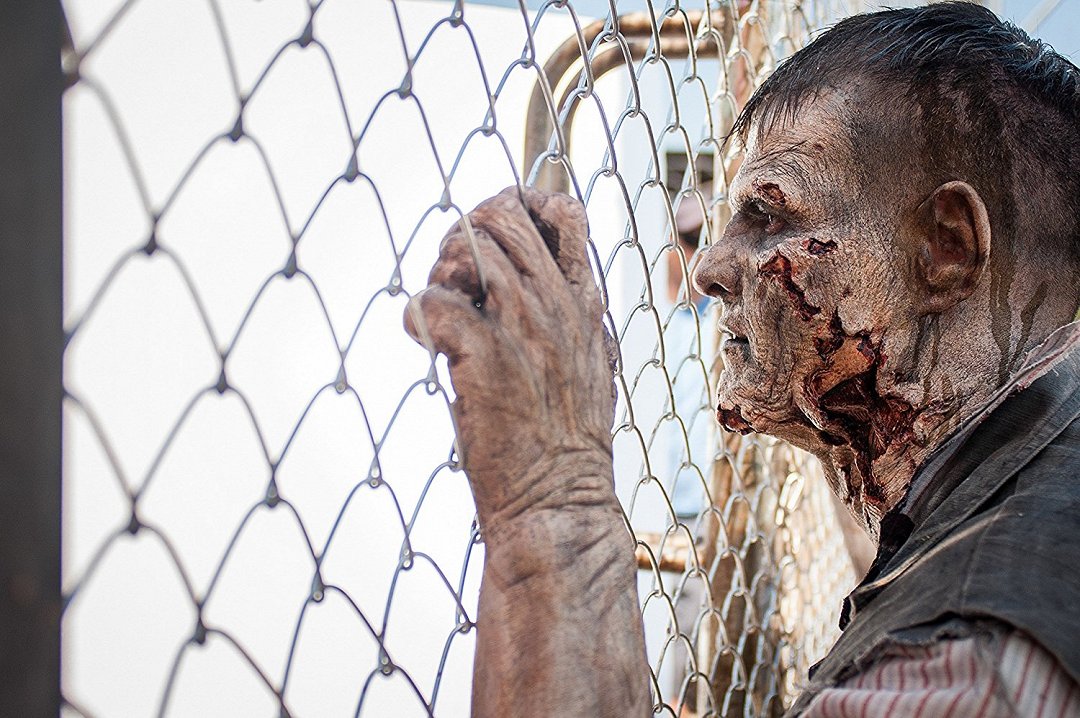
At the same time, the film struggles with uneven pacing. The first half focuses heavily on the bunker environment, introducing the survivors and their daily routines. While this helps establish the setting, it sometimes slows down the story too much. The characters often feel underdeveloped, and some of their decisions seem questionable or unrealistic. As a result, it can be difficult to emotionally connect with many of the people on screen.
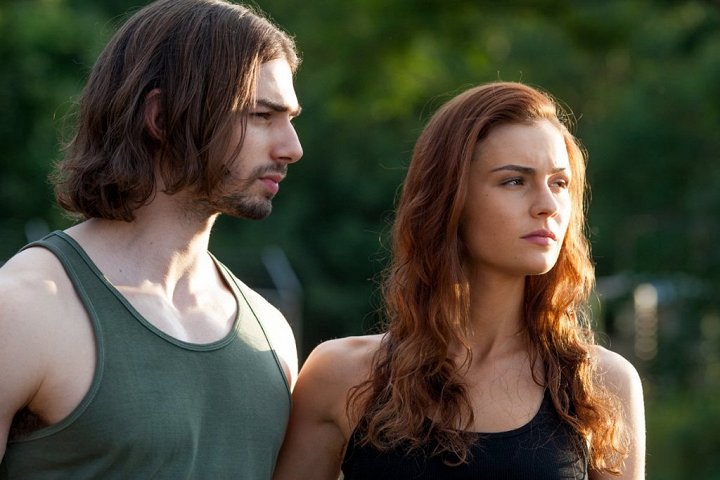
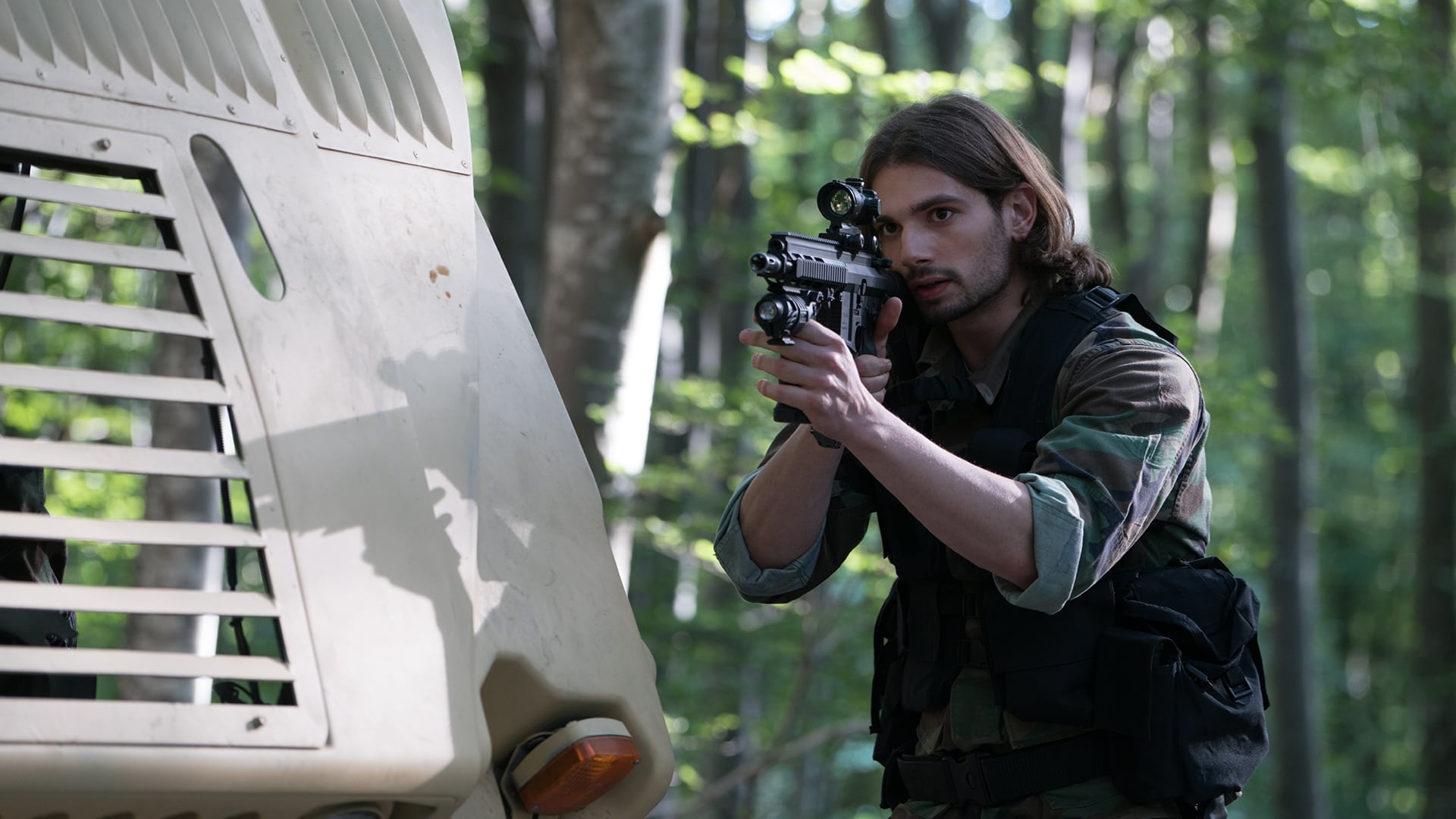
The acting performances are also somewhat inconsistent. Sophie Skelton, who plays Zoe, carries most of the film on her shoulders and does a respectable job portraying a determined scientist trying to save humanity. She gives the character a sense of vulnerability while still appearing strong enough to face terrifying circumstances. However, many of the supporting characters feel more like stereotypes than fully realized individuals. The military soldiers, in particular, often behave in predictable ways that longtime horror viewers will recognize immediately.
Another issue is that the film constantly struggles with its identity. At times it tries to be a serious survival drama about rebuilding civilization. At other moments it leans heavily into exaggerated zombie action and shock value. This tonal imbalance prevents the story from reaching the emotional weight it seems to aim for.
Despite these flaws, the film is not entirely without entertainment value. Some viewers may appreciate its attempt to modernize a classic zombie concept while still maintaining elements of traditional horror. The confined bunker setting occasionally creates a tense atmosphere, and the idea of experimenting on zombies offers a few intriguing narrative possibilities.
In the end, Day of the Dead: Bloodline feels like a film with interesting ideas that were never fully realized. It tries to expand the mythology of the zombie genre but struggles with weak character development and uneven storytelling. Hardcore zombie fans might still enjoy certain aspects of it, especially the gore and action sequences, but those looking for a truly memorable entry in the genre may find it somewhat forgettable.
While it may not live up to the legacy of the classic films that inspired it, Day of the Dead: Bloodline still serves as a reminder of how enduring the zombie genre continues to be. Even imperfect attempts like this one show that audiences remain fascinated by stories about survival, humanity, and the terrifying possibility of a world overrun by the undead.


Original Title: Day of the Dead: Bloodline
Status: Released
Original Language: EN
Budget: $8,000,000.00
Revenue: $0.00
Action / Horror
United States of America / Bulgaria, 2017, 90 min
Director: Hèctor Hernández Vicens, Anton Ognianov
Music: Frederik Wiedmann
Producers: Avi Lerner, Trevor Short, Les Weldon, Jeff Gum, Lati Grobman, Jeff Rice, Pearry Reginald Teo, Lonnie Ramati, Robert Franklin Dudelson, Ness Saban, Jonathan Saba, John R. Sherman, Yariv Lerner, Boaz Davidson, Shanan Becker, Christa Campbell, Seth M. Sherwood, James Glenn Dudelson, Vincent Cheng
Editing: Damian Drago, Ivan Todorov Ivanov
Cast:
Sophie Skelton
Johnathon Schaech

Cristina Serafini
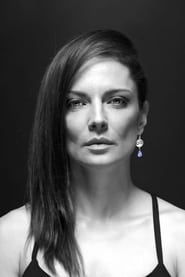
Teodora Duhovnikova
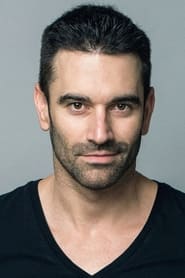
Jeff Gum

Lillian Blankenship

Marcus Vanco

Lorina Kamburova
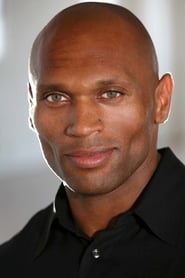
Mark Rhino Smith

Rachel O'Meara

Shari Watson

Luke Cousins

Debbie Sherman
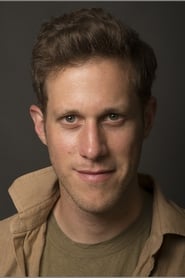
Nathan Cooper
Bashar Rahal

Ulyana Chan
Nick Loeb
Atanas Srebrev

London Grace
Velimir Velev