Released in 1998, Blade is one of the most important comic-book films of the modern era, even though it is often overlooked in discussions about superhero cinema. Directed by Stephen Norrington and starring Wesley Snipes in the titular role, the film blends action, horror, and dark comic-book aesthetics into a unique and influential experience. At a time when comic book movies were still struggling to be taken seriously after several commercial failures in the 1990s, Blade helped prove that darker, more mature superhero adaptations could succeed both critically and commercially. The film’s intense action sequences, stylish direction, and charismatic lead performance helped create a cult classic that paved the way for later superhero franchises.
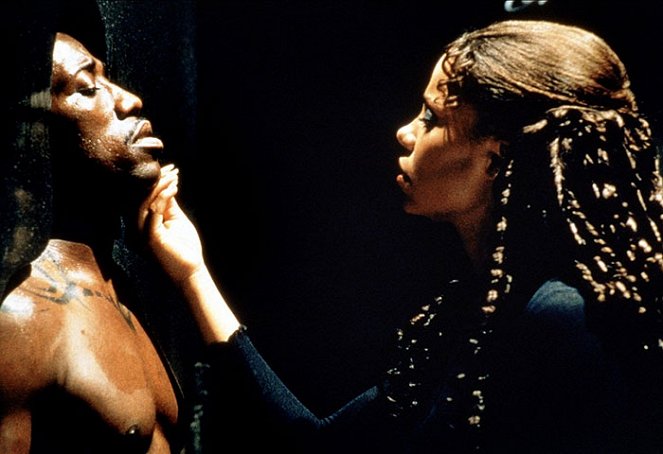
The story centers on Eric Brooks, known as Blade, a half-human, half-vampire hybrid often referred to as a “Daywalker.” Blade was born when his mother was bitten by a vampire while pregnant, causing him to inherit many vampire abilities without their primary weakness: sunlight. As a result, Blade possesses superhuman strength, enhanced speed, accelerated healing, and heightened senses, but he also suffers from a constant thirst for blood. To control this, he relies on a special serum created by his mentor and ally Abraham Whistler. Instead of embracing his vampire nature, Blade dedicates his life to hunting and killing vampires, seeking revenge against the creatures that destroyed his family.
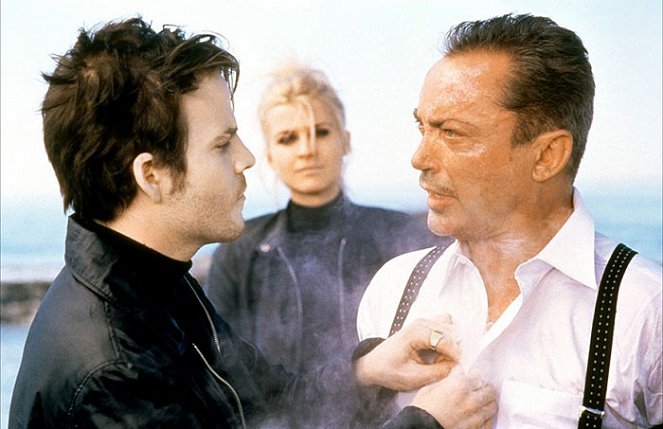
The plot follows Blade’s ongoing war against the vampire underworld that secretly exists within human society. Vampires live hidden among humans, operating through powerful organizations and corrupt institutions. Blade becomes a feared figure among them, almost like a myth or a nightmare used to frighten younger vampires. His mission becomes even more dangerous when a rebellious vampire leader named Deacon Frost begins to rise in power. Frost is ambitious, reckless, and determined to reshape the vampire hierarchy by unleashing an ancient blood god known as La Magra. This would grant vampires ultimate dominance over humanity, turning the world into a feeding ground for their species.
One of the most striking aspects of Blade is its visual style and atmosphere. The film embraces a dark, gothic tone combined with the urban aesthetics of late-1990s action cinema. Nightclubs, industrial environments, underground laboratories, and dimly lit city streets create a world that feels both gritty and stylized. The opening scene, which takes place in a secret vampire nightclub where blood rains from the sprinklers during a dance party, immediately establishes the film’s tone. It is shocking, intense, and memorable, setting the stage for the violent conflict that follows.
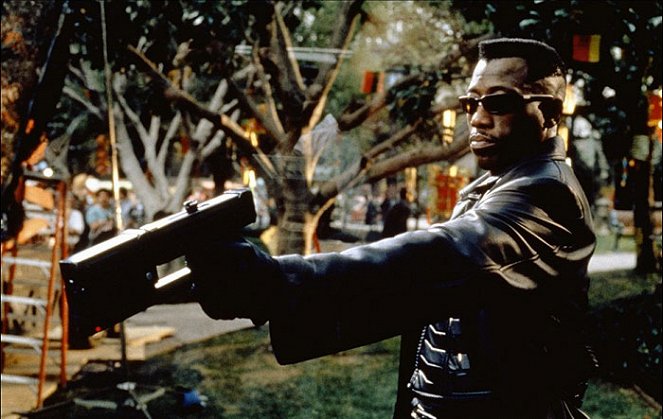
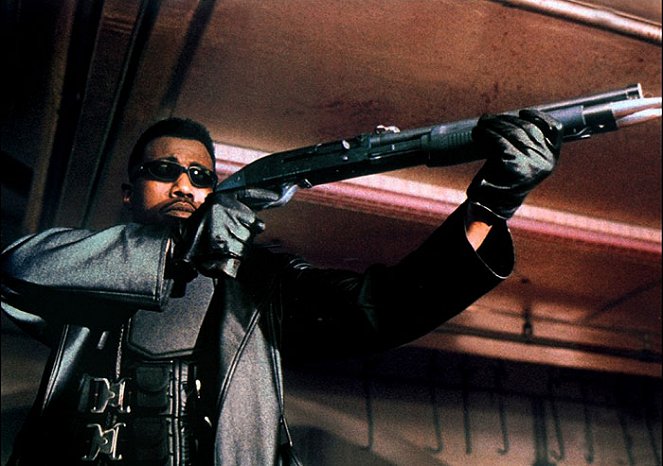
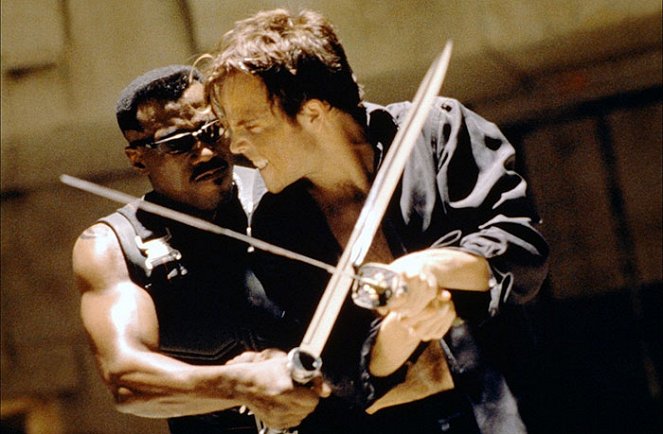
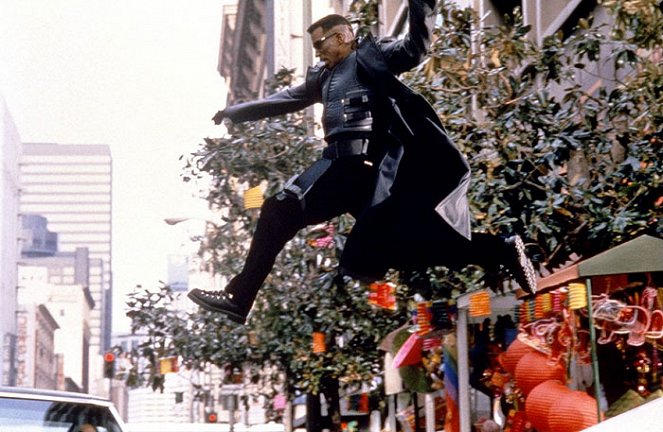
The action sequences are another highlight of the film. Unlike many earlier comic-book adaptations, Blade features fast-paced martial arts combat combined with weapon-based action and special effects. Wesley Snipes, who had extensive martial arts training, performs many of his own fight scenes, bringing authenticity and precision to the choreography. Blade’s signature weapons—such as his modified sword, silver stakes, and specialized firearms—add variety to the battles and reinforce the film’s blend of science, technology, and supernatural mythology.
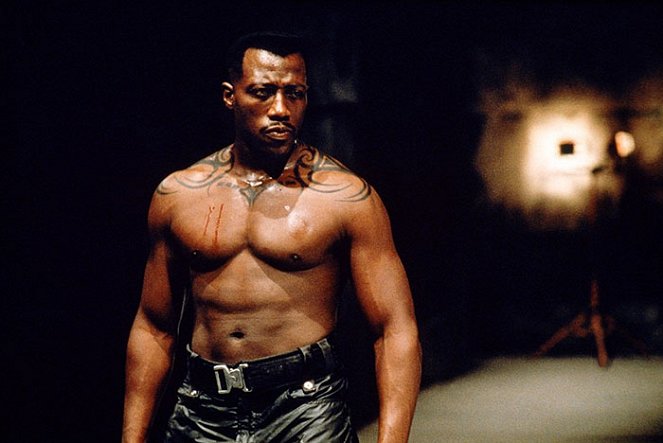
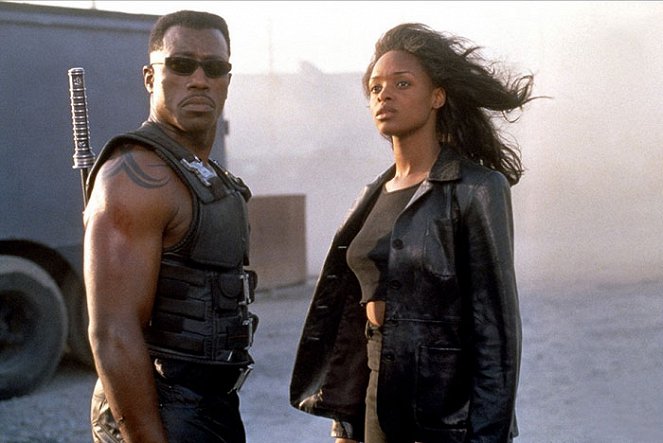
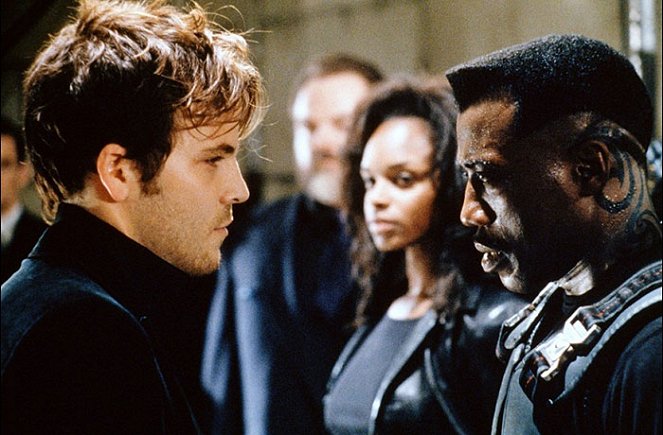
Wesley Snipes delivers a defining performance as Blade. His portrayal is intense, controlled, and confident, making Blade a powerful and intimidating protagonist. Snipes plays the character with a calm, almost stoic demeanor, rarely showing emotion but always projecting strength and determination. This approach works well for the character, who lives a lonely and relentless life dedicated to his mission. Blade is not a traditional hero with a cheerful personality or optimistic outlook; instead, he is a dark anti-hero shaped by trauma and revenge.
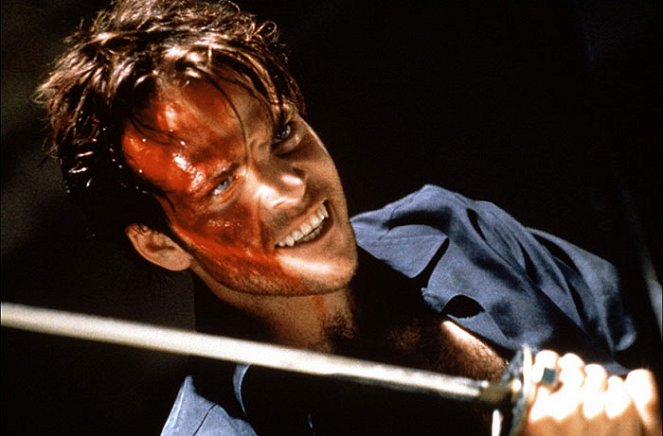
Stephen Dorff’s performance as Deacon Frost provides an effective contrast to Blade. Frost is arrogant, impulsive, and charismatic, representing a younger generation of vampires who reject the old traditions of their species. While older vampires operate through secrecy and political influence, Frost believes in open domination and revolution. His rebellious attitude and unpredictable behavior make him a dangerous enemy, and Dorff plays the role with enough energy to make Frost both entertaining and threatening.
Another important character in the film is Abraham Whistler, portrayed by Kris Kristofferson. Whistler acts as Blade’s mentor, partner, and surrogate father figure. A veteran vampire hunter himself, he provides Blade with weapons, technology, and emotional support. Their relationship adds depth to the story, showing that despite Blade’s cold exterior, he still relies on human connections. Whistler’s experience and wisdom also help ground the film, balancing the supernatural elements with a more human perspective.
The film’s soundtrack also contributes significantly to its identity. The music features electronic, techno, and industrial influences that reflect the late-1990s club culture depicted in the film. The energetic beats help enhance the action scenes and reinforce the modern, urban setting. The soundtrack became particularly memorable thanks to the iconic opening sequence in the vampire nightclub, which remains one of the most recognizable scenes in action-horror cinema.
Despite its strengths, Blade is not without flaws. Some of the visual effects, particularly near the end of the film, have not aged as well as the practical effects and fight choreography. The climactic battle includes early CGI elements that appear somewhat dated by modern standards. Additionally, certain plot developments are relatively straightforward and predictable, focusing more on action and atmosphere than on complex storytelling. However, these weaknesses do little to diminish the film’s overall impact and entertainment value.
What makes Blade particularly important in film history is its influence on the future of superhero movies. Before the massive success of later comic-book franchises, studios were hesitant to invest heavily in superhero adaptations. Blade proved that audiences were willing to embrace darker, more mature comic-book stories with intense violence and adult themes. Its success helped encourage studios to pursue similar projects, eventually leading to films like X-Men in 2000 and Spider-Man in 2002, which further established the modern superhero genre.
The character of Blade himself is also unique among comic-book heroes. Unlike many superheroes who operate within brightly colored worlds and optimistic narratives, Blade exists in a morally complex environment filled with violence and corruption. His struggle with his own vampire nature adds an internal conflict that makes him more than just a typical action hero. He constantly walks the line between humanity and monstrosity, fighting not only external enemies but also the darker impulses within himself.
The film also deserves credit for presenting a strong Black superhero lead at a time when such representation was rare in mainstream Hollywood blockbusters. Wesley Snipes brought both star power and authenticity to the role, creating an iconic character that resonated with audiences around the world. In retrospect, Blade demonstrated that superhero films could succeed with diverse casting and unconventional protagonists long before it became a widespread industry trend.
In conclusion, Blade (1998) remains a landmark film in the evolution of comic-book cinema. With its stylish direction, intense action sequences, memorable characters, and dark atmosphere, the film successfully combined elements of horror and superhero storytelling in a way that felt fresh and exciting. Wesley Snipes’ performance as Blade continues to define the character, while the film’s influence can still be seen in many modern superhero and action movies. Although some technical aspects have aged over time, the film’s energy, creativity, and cultural significance ensure that Blade remains an important and entertaining piece of cinematic history.
Action / Fantasy / Horror
USA, 1998, 115 min (Director’s Cut: 110 min)
Directed by: Stephen Norrington
Based on the comic by: Marv Wolfman
Screenplay by: David S. Goyer
Cinematography: Theo van de Sande
Music by: Mark Isham
Starring: Wesley Snipes, Stephen Dorff, Kris Kristofferson, N’Bushe Wright, Donal Logue, Udo Kier, Traci Lords, Arly Jover, Kevin Patrick Walls, Tim Guinee, Sanaa Lathan, Eric Edwards, Shannon Lee, Matt Schulze, Jenya Lano, Stephen Norrington, Gerald Okamura, John Enos III, D.V. DeVincentis, Ted King, Kenny Johnson, Andray Johnson, Marcus Aurelius, Al Goto, Judson Scott, Frankie Ray, Henry Kingi, Lyle Conway, Jeff Imada
Producers: Robert Engelman, Wesley Snipes, Peter Frankfurt
Editing: Paul Rubell
Sound: Ken Teaney, Marshall Garlington, Lee Orloff
Production Design: Kirk M. Petruccelli, Greg J. Grande
Make-up: Michael Germain, Paul Jones, Greg Cannom, Stephen Abrums, Stephen Norrington, Steven Lawrence, Louis Lazzara
Costume Design: Sanja Milkovic Hays