The story of Frankenstein has been told many times over the past two centuries, but the 2025 adaptation manages to breathe new life into Mary Shelley’s timeless gothic tale. Rather than simply retelling the familiar narrative of a scientist who creates life from death, this version explores the emotional and philosophical consequences of that creation with surprising depth. The film feels both classic and modern at the same time, combining the dark atmosphere of traditional gothic horror with contemporary storytelling and cinematic scale.
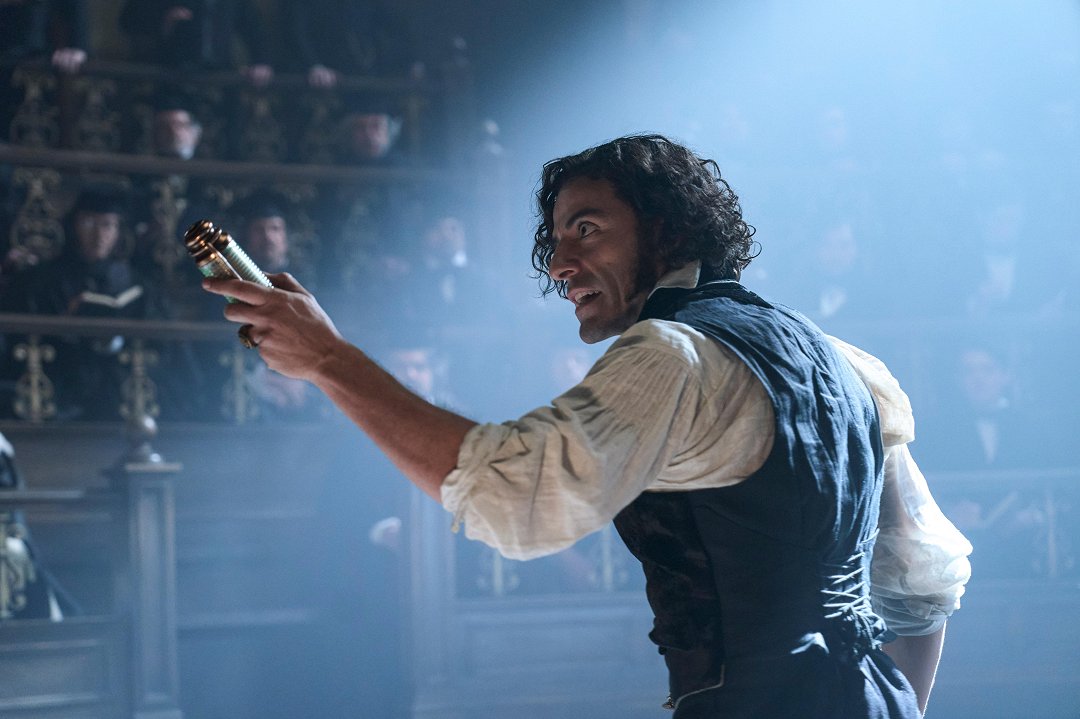
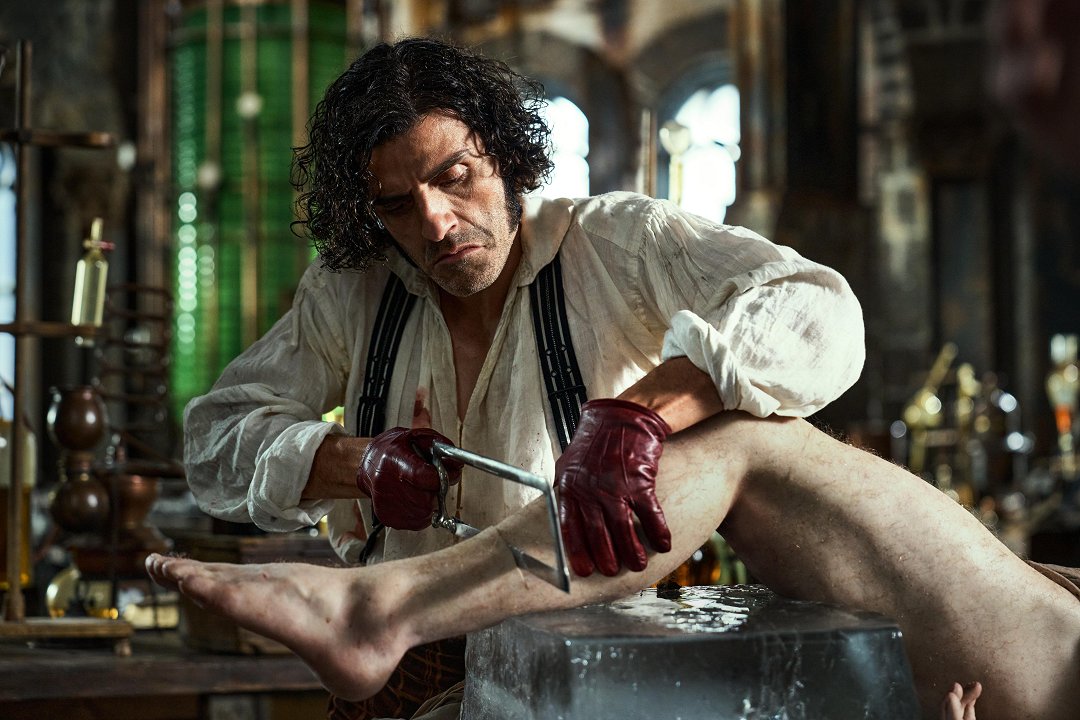
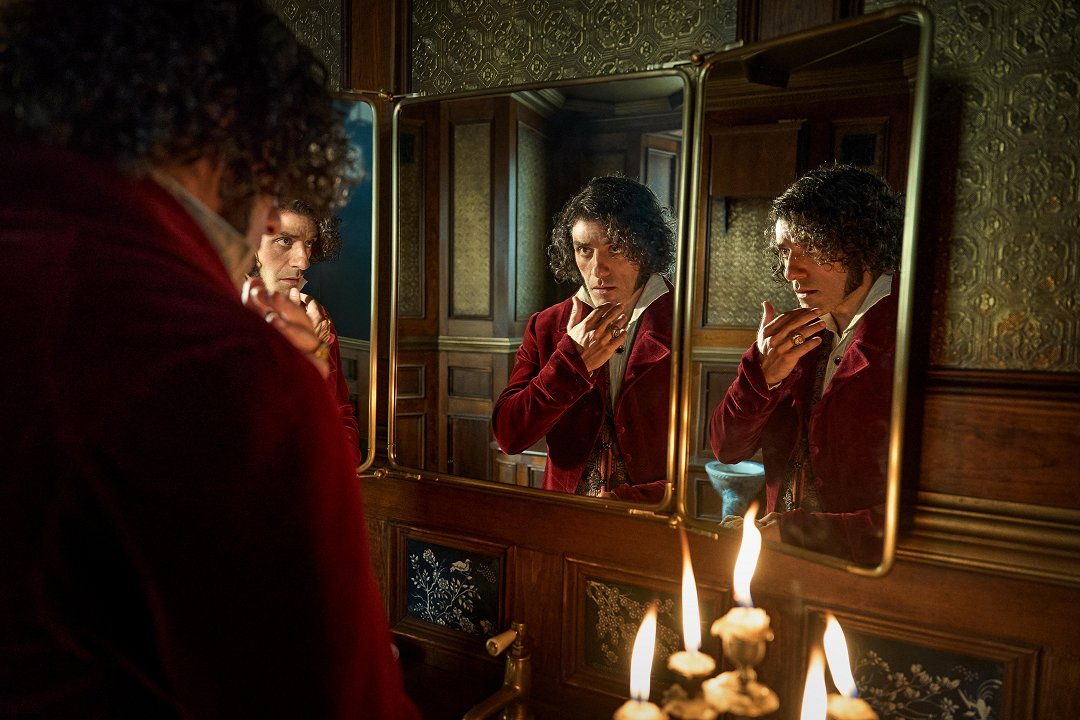
At the center of the film is Victor Frankenstein, a brilliant but dangerously obsessed scientist. His ambition to conquer death and unlock the secrets of life drives the entire story. The movie carefully portrays how Victor’s curiosity slowly transforms into obsession, and eventually into something far more destructive. What makes this portrayal interesting is that Victor is not shown as a simple villain. Instead, the film presents him as a deeply flawed human being who genuinely believes he is pushing science forward for the good of humanity.
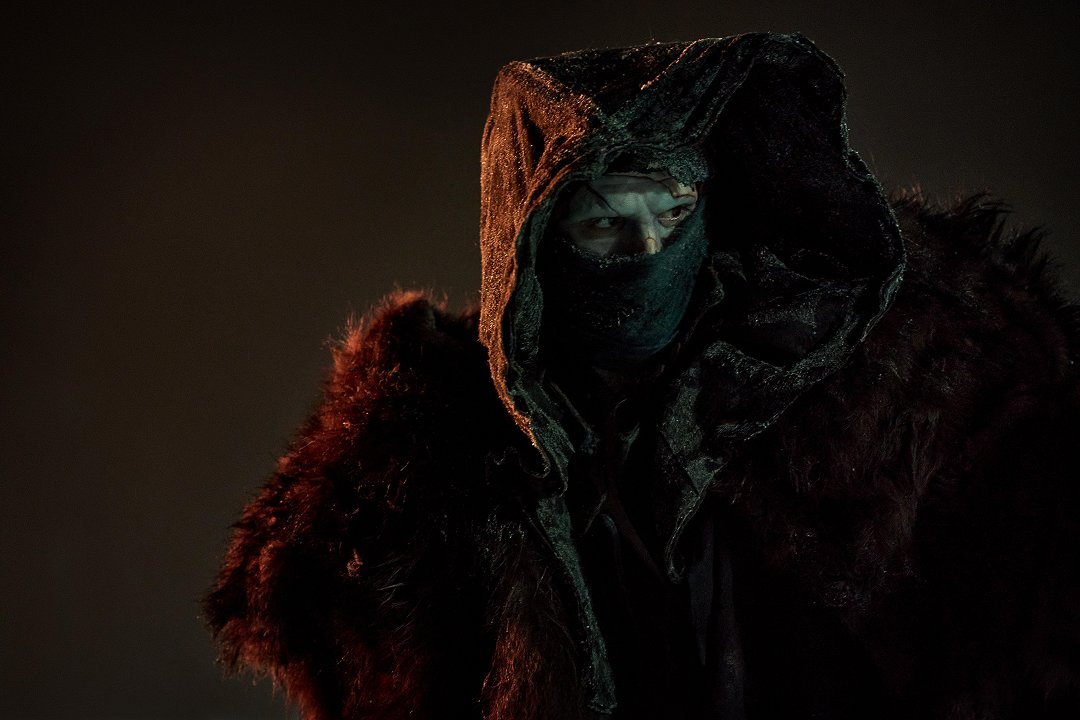
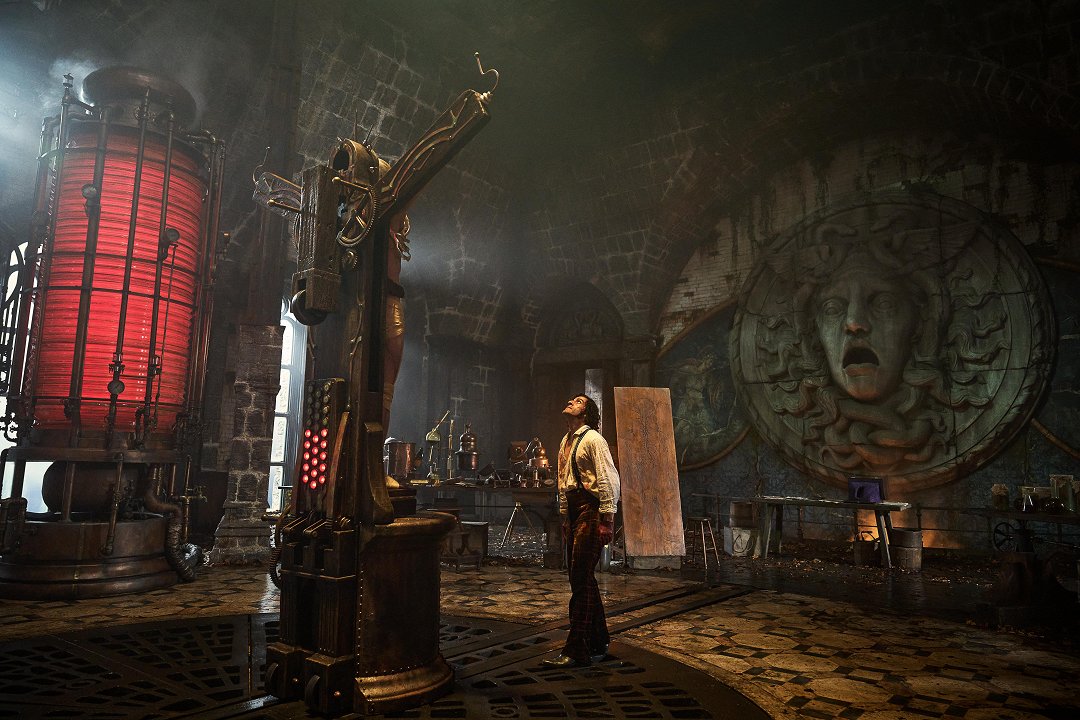
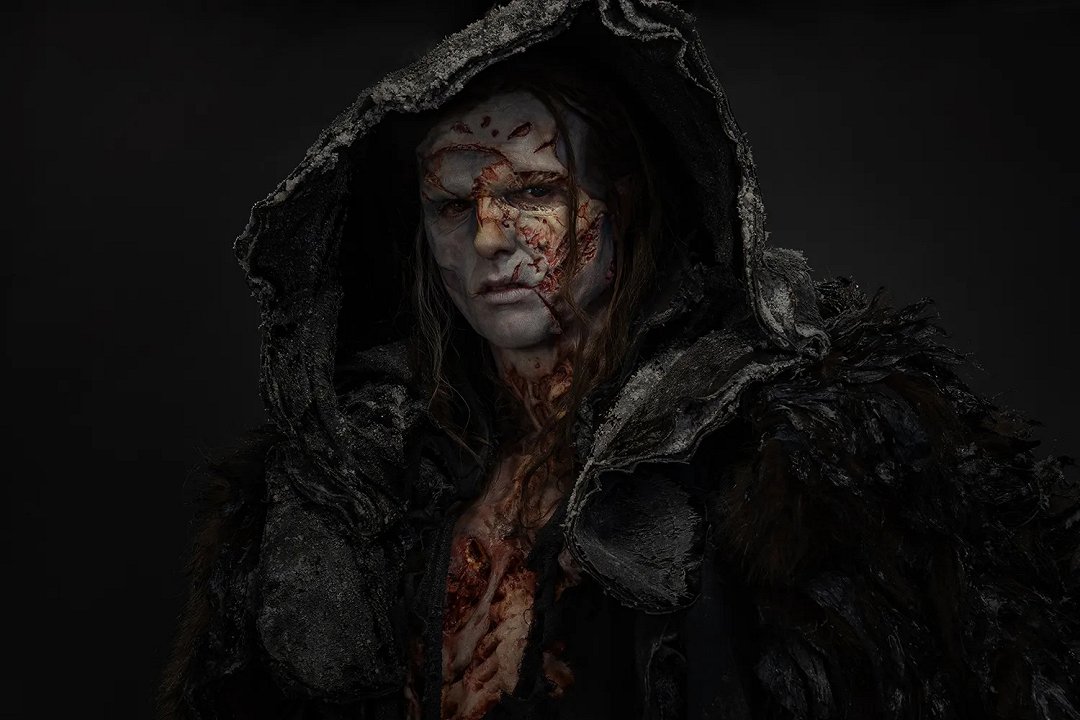
The creation of the monster is one of the most powerful moments in the film. The scene is visually striking and filled with tension, capturing the exact moment when Victor realizes that his greatest scientific achievement may also be his greatest mistake. The creature itself is not presented merely as a terrifying monster. Instead, the film gives the character a tragic dimension, emphasizing loneliness, confusion, and the desperate desire for acceptance.
This emotional complexity is one of the film’s greatest strengths. The creature is both frightening and sympathetic, forcing the audience to question who the real monster actually is. Is it the being that was created and abandoned, or the scientist who brought it into the world without considering the consequences?
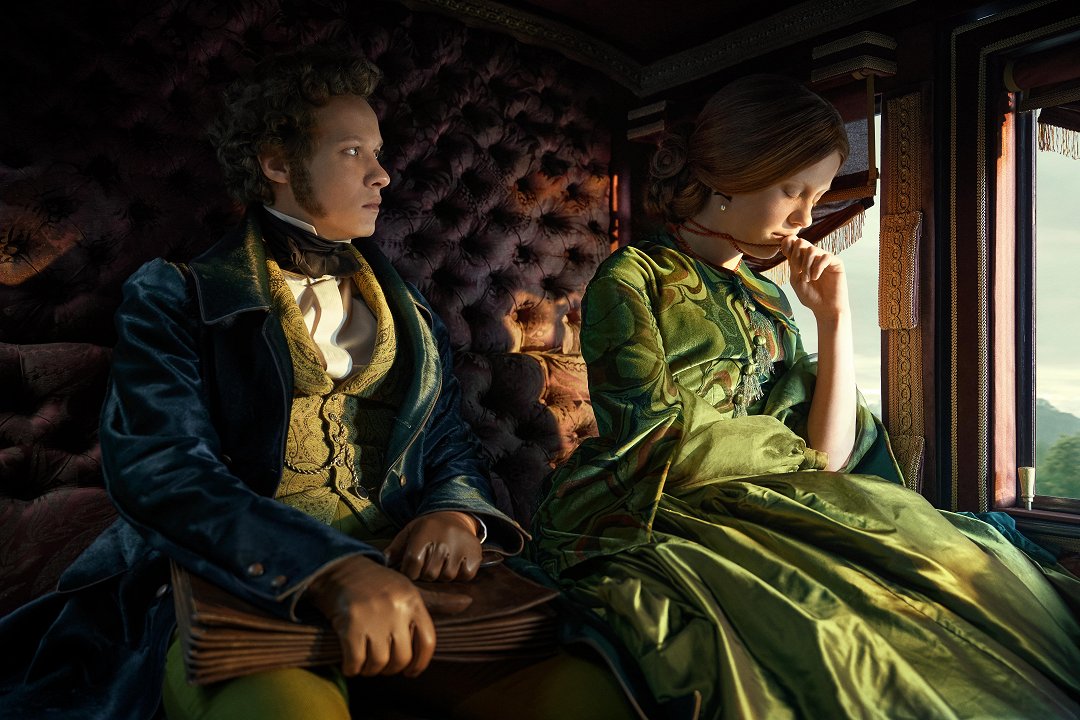
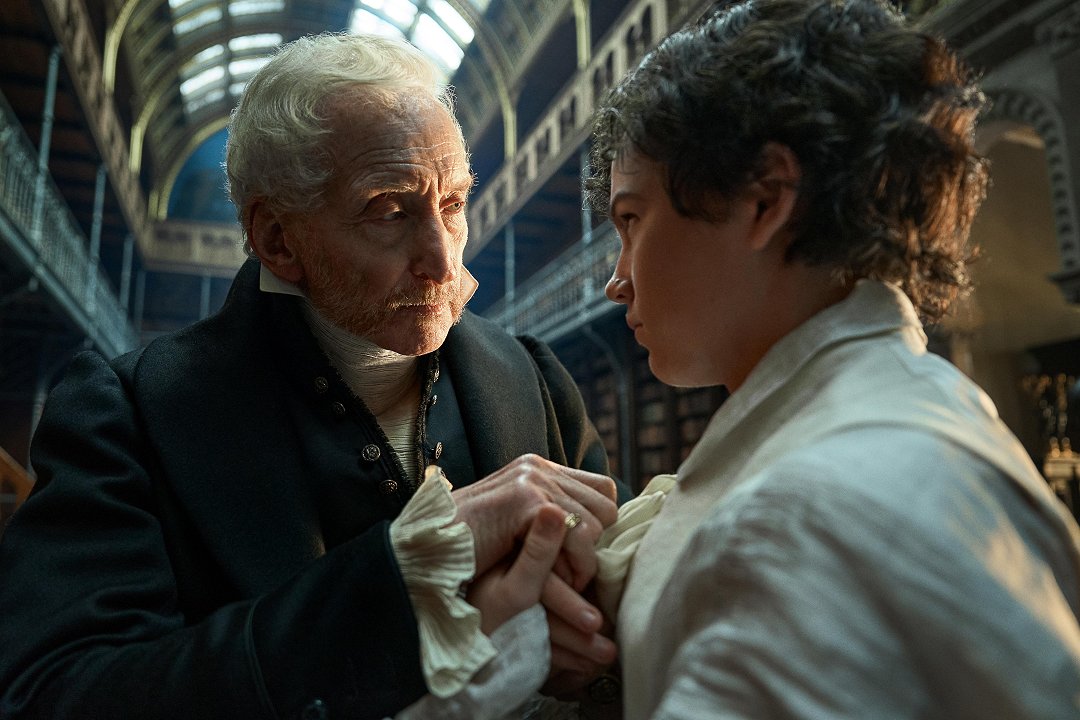
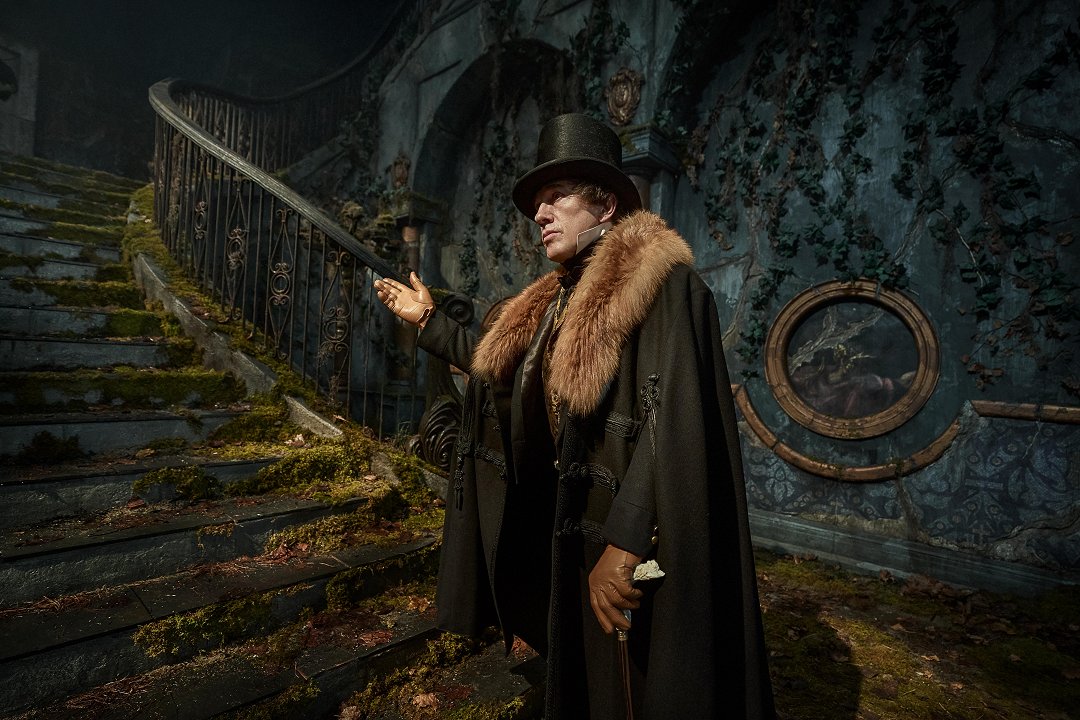
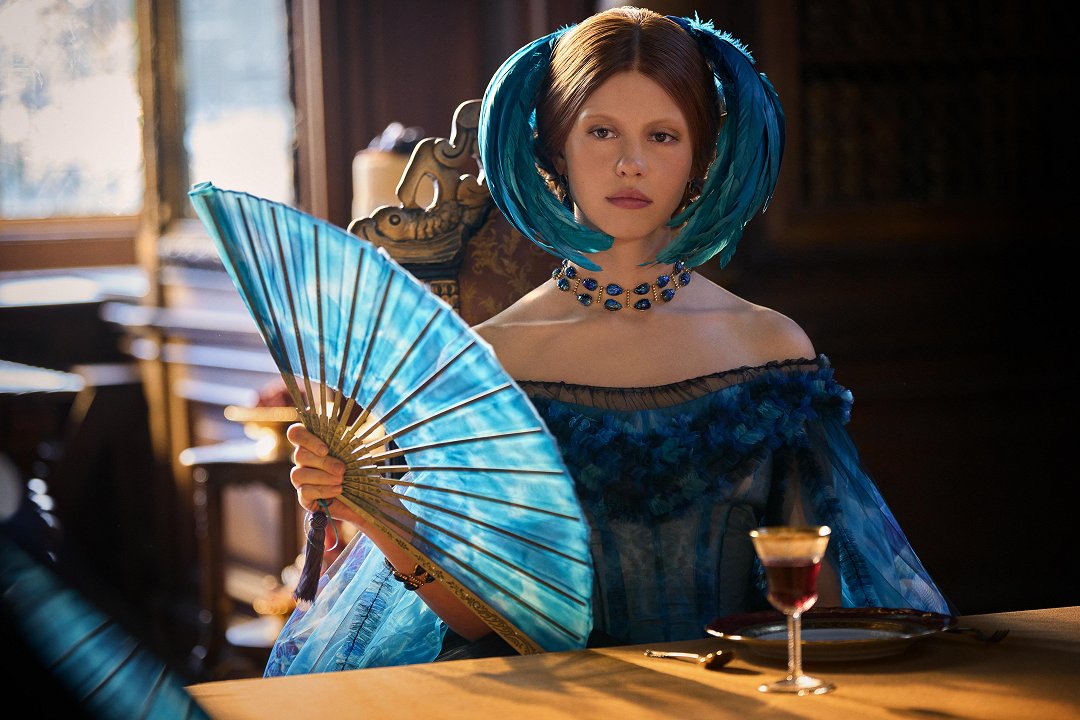
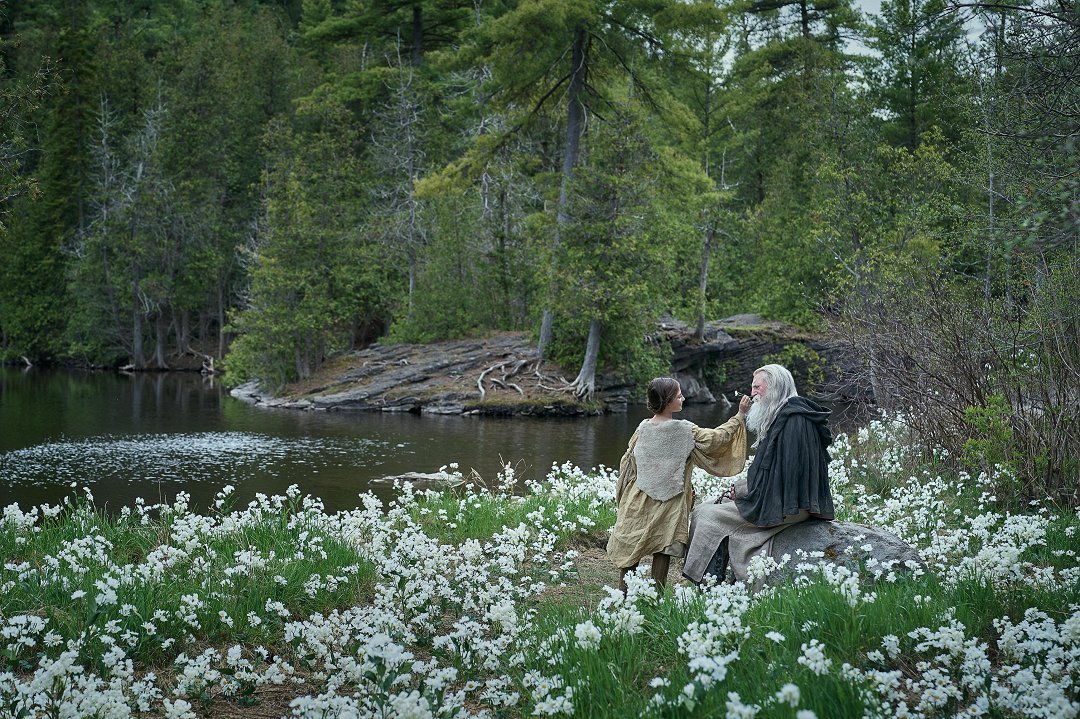
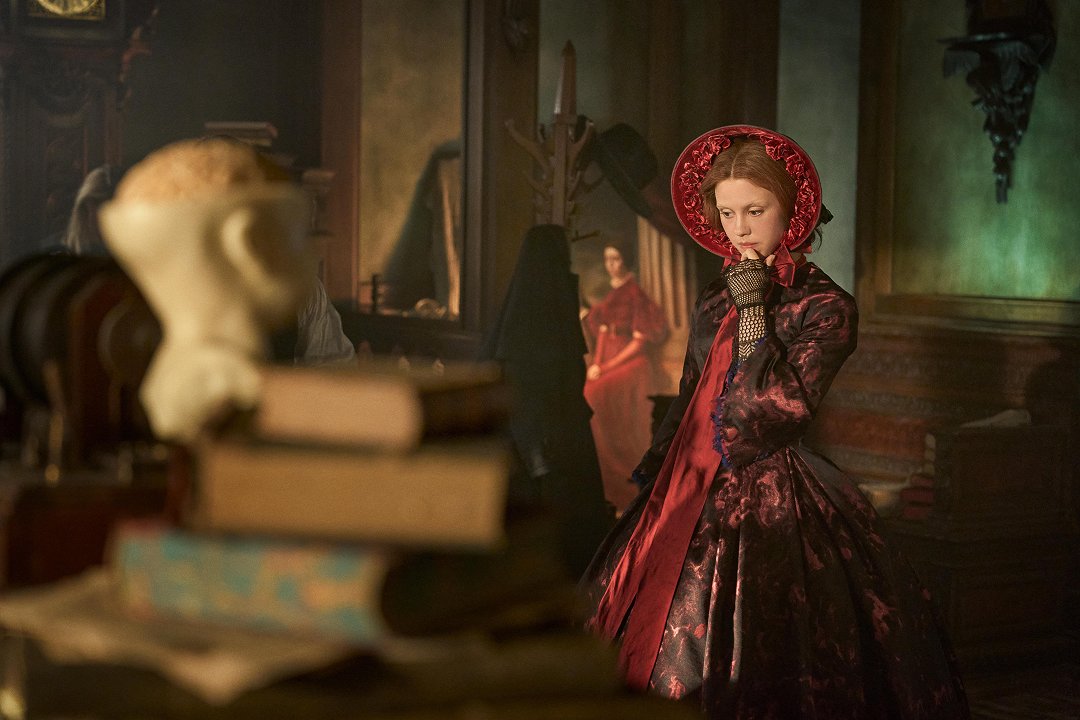
Visually, the film does an impressive job recreating the gloomy gothic atmosphere associated with classic Frankenstein adaptations. Dark laboratories, stormy nights, and haunting landscapes create a mood that perfectly fits the story. The cinematography uses shadows and lighting effectively, often making the scenes feel almost like moving gothic paintings. The production design also deserves praise, as the sets and costumes help establish a believable world that feels both historical and timeless.
Another strong aspect of the film is its pacing. Instead of relying purely on horror moments or jump scares, the movie builds tension gradually. Much of the fear comes from the emotional weight of the story rather than from traditional horror techniques. This slower pace allows the characters to develop naturally and gives the audience time to understand the moral dilemmas at the heart of the narrative.
Of course, the film is not without its flaws. Some parts of the story feel slightly predictable, especially for viewers already familiar with the Frankenstein myth. A few scenes also stretch longer than necessary, which may test the patience of audiences expecting a faster horror experience.
However, these issues do little to diminish the overall impact of the film. At its core, Frankenstein (2025) is not just a horror movie about a monster. It is a story about ambition, responsibility, and the dangers of pushing scientific boundaries without considering the ethical consequences.
In the end, the film succeeds because it remembers what made Mary Shelley’s original story so powerful in the first place. Beneath the gothic horror and dramatic visuals lies a deeply human story about creation, rejection, and the search for belonging. This thoughtful approach makes Frankenstein (2025) a compelling modern interpretation of one of literature’s most enduring tales.
Drama / Horror / Fantasy / Sci-Fi
USA / Mexico, 2025, 149 min
Directed by: Guillermo del Toro
Based on: Mary Shelley (novel)
Screenplay by: Guillermo del Toro
Cinematography: Dan Laustsen
Music by: Alexandre Desplat
Cast: Oscar Isaac, Jacob Elordi, Christoph Waltz, Mia Goth, Charles Dance, David Bradley, Lars Mikkelsen, Christian Convery, Felix Kammerer, Ralph Ineson, Nikolaj Lie Kaas, Lauren Collins, Joachim Fjelstrup, Stuart Hughes, Sofia Galasso, Burn Gorman, Kyle Gatehouse, Roberto Campanella, Kim Morgan
Produced by: Guillermo del Toro, Gary Ungar, J. Miles Dale
Casting: Denise Chamian, Robin D. Cook
Editing: Evan Schiff
Sound: Brad Zoern, Mitch Low, Christian T. Cooke, Greg Chapman, Nathan Robitaille, Nelson Ferreira
Production Design: Tamara Deverell, Shane Vieau
Make-up: Jordan Samuel, Cliona Furey, Alexandra Anger, Tori Binns, Katarina Chovanec, Megan Many, Kristin Wayne, Monica Pavez, Mike Hill, Steve Newburn
Costume Design: Kate Hawley