Iron Lung is one of the most intriguing films to hit screens in 2026 — not because it’s flawless, but because of what it represents. Directed, written, edited, and starring internet personality Mark “Markiplier” Fischbach, this independent sci‑fi horror film is as much a cultural moment as it is a cinematic experience. It’s a movie that refuses to fit neatly into expectations, and that’s both its greatest strength and its most persistent flaw.
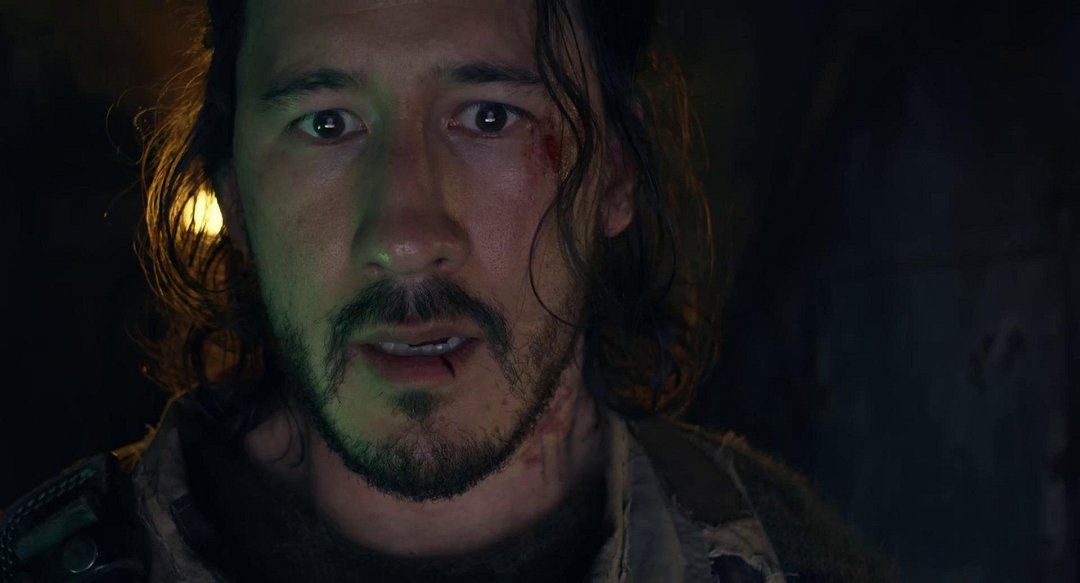
At its core, Iron Lung throws the audience into a bleak, post‑apocalyptic nightmare that few films have dared to explore. After a cataclysmic event known as the “Quiet Rapture” causes stars and planets to vanish, humanity is left adrift in an eerie, darkened universe. The story follows a convict named Simon (played by Markiplier), who is forced to pilot a submersible called the Iron Lung through a vast ocean of blood on a desolate moon — all in pursuit of resources and survival.
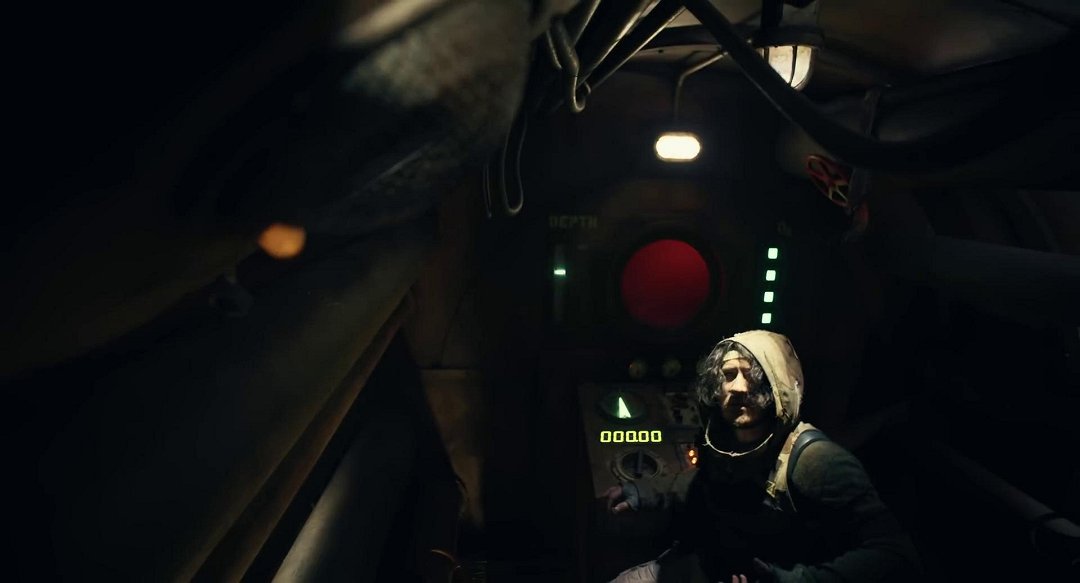
From the opening moments, the film makes its intentions clear: this is not a fast‑paced blockbuster designed for broad mass appeal. Instead, it leans into a slow‑burn approach that prioritizes atmosphere and tension over narrative exposition. That’s a bold choice for a first‑time filmmaker working with a modest budget of roughly $3.6 million, and it’s admirable how Iron Lung uses every inch of its confined setting to build a sense of claustrophobia and dread.
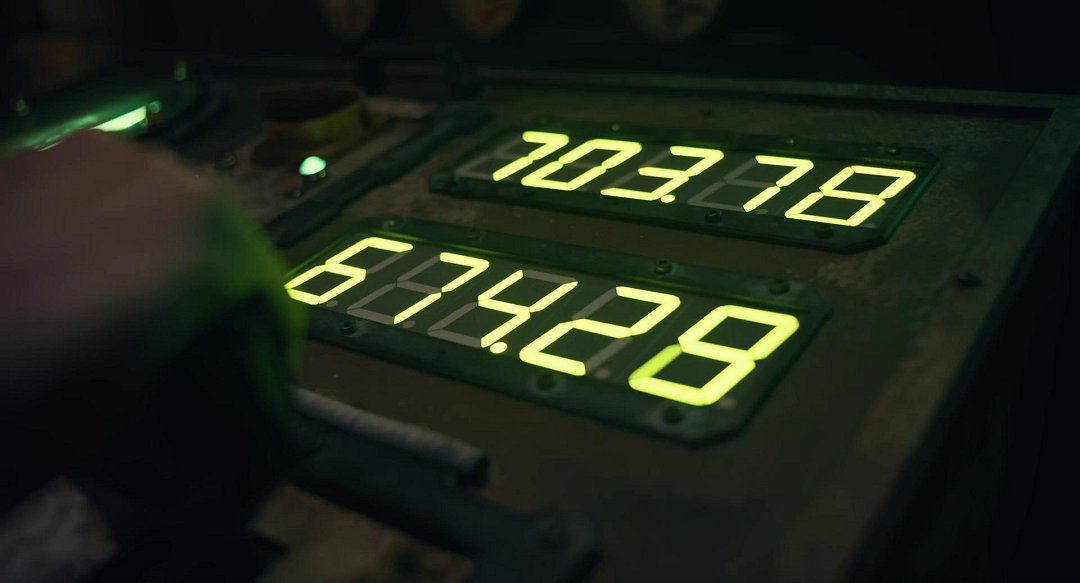
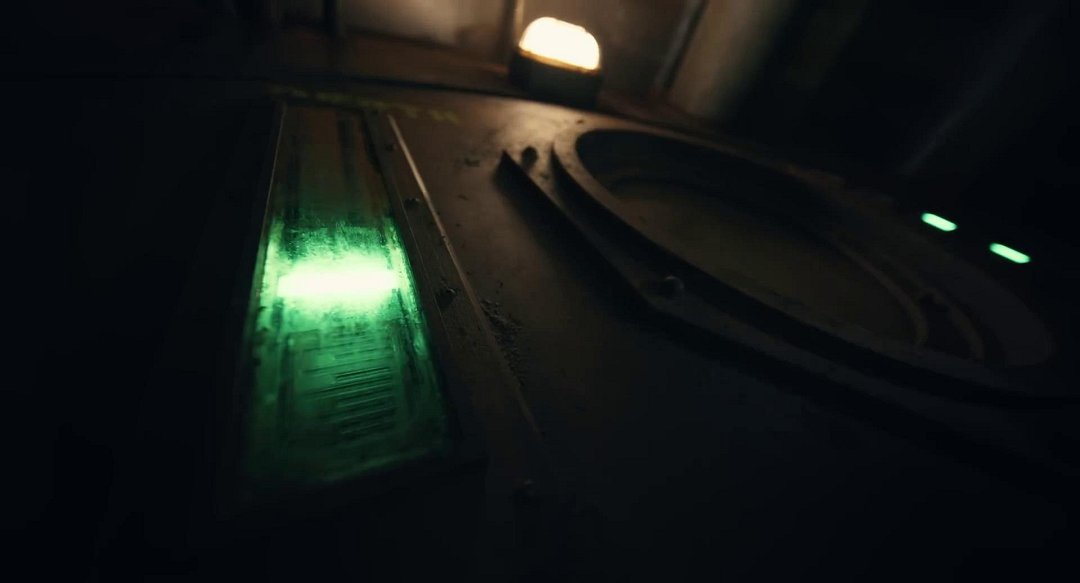
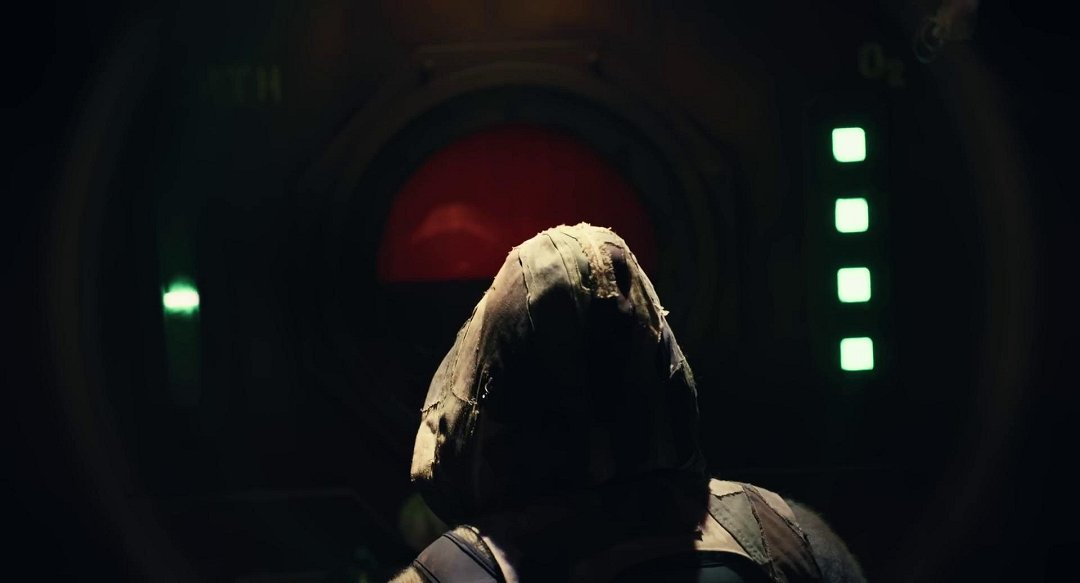
One of the film’s most striking qualities is its visual and sensory design. Shot largely within the narrow confines of the submarine, the cinematography by Philip Roy makes superb use of shadows, lights, and reflections to evoke a feeling of entrapment and impending doom. Scenes are often bathed in murky reds and deep shadows, with flickering lights and leaky pipes that give the Iron Lung itself an almost sentient, malevolent presence. The sound design — from distant groans of metal to the eerie silence of the blood ocean — is excellent at keeping you on edge.
However, for all its atmospheric achievements, Iron Lung often struggles with pacing and narrative clarity. Many viewers and critics alike have pointed out that long stretches of the film feel repetitive or dragging. Scenes in which Simon agonizes over simple tasks or argues with unseen forces can feel overly drawn out, and without frequent narrative payoffs, the tension sometimes deflates rather than intensifies. At 125 minutes, there are moments when the movie feels like it could have benefitted from a tighter edit or more distinct story beats.
The script reflects this tension between ambition and execution. At times, the dialogue and plot developments are cryptic by design — reinforcing the unsettling, enigmatic nature of the world — but they occasionally veer into confusion rather than intrigue. The exposition is sparse, and the audience is left piecing together context and lore from isolated fragments rather than a coherent narrative flow. For fans of the original 2022 indie video game on which the film is based, this might feel intentional and rewarding. For newcomers, it can feel disorienting.
Markiplier’s performance as Simon is another aspect that divides opinion. His presence on screen is earnest and committed, and he conveys the character’s desperation and descent into mental strain with genuine intensity. Yet, there are moments when the emotional beats don’t quite land, and quieter, more subtle character moments sometimes fall flat. Still, there’s an authenticity to his portrayal that feels rooted in passion more than calculated performance.
Interestingly, much of what gives Iron Lung its cultural significance is not just what’s on screen, but how the film reached audiences. Unlike traditional Hollywood productions, this movie was financed and largely self‑distributed by Fischbach and his team, relying on grassroots support from his massive online fanbase. This strategy helped propel it into over 4,000 theaters internationally and enabled it to earn a notable box office haul against all odds — triumphing where similarly tiny productions have typically flopped.
In terms of horror and science fiction, Iron Lung won’t satisfy every palate. It’s not a jump‑scare fest nor does it deliver constant narrative revelations. But as a unique indie experiment, it’s refreshingly different. Its slow‑burn intensity, immersive atmosphere, and bold disregard for conventional genre trappings make it a fascinating — if imperfect — watch. It certainly won’t appeal to everyone, but for those willing to lean into its ambiguity and unsettling mood, it offers moments of genuine terror and thought‑provoking cinematic craft.
Ultimately, Iron Lung stands as a testament to what dedication and creative community support can achieve. It’s rough around the edges, unapologetically odd, often frustrating, yet undeniably memorable. Whether you view it as a groundbreaking indie triumph or a flawed but passionate experiment likely depends on your tolerance for slow burns and existential dread — but either way, it demands to be talked about long after the credits roll.
USA
In theaters from – January 30, 2026 – Markiplier Studios
Horror / Sci-Fi
USA, 2026, 127 min
Director: Mark Fischbach
Writer: Mark Fischbach
Cinematography: Philip Roy
Music: Andrew Hulshult
Cast: Mark Fischbach, Caroline Kaplan, Troy Baker, Holt Boggs, Elle LaMont, Dave Pettitt, Isaac McKee, Seán McLoughlin, Kazuki Jalal, Rahul Kohli, Danielle Evon Ploeger, Mick Lauer
Producers: Will Hyde, Jeff Guerrero
Casting: Vicky Boone, Liz Kelley
Editing: Mark Fischbach, Marc Schneider
Sound: Echo Duemig
Production Design: Iman Corbani, Travis Eisenberg
Makeup: Anna Fugate-Downs, Erin Klarer, Jennifer Briner, Madison Miller, Jason Vines
Costume Design: Erika Slay