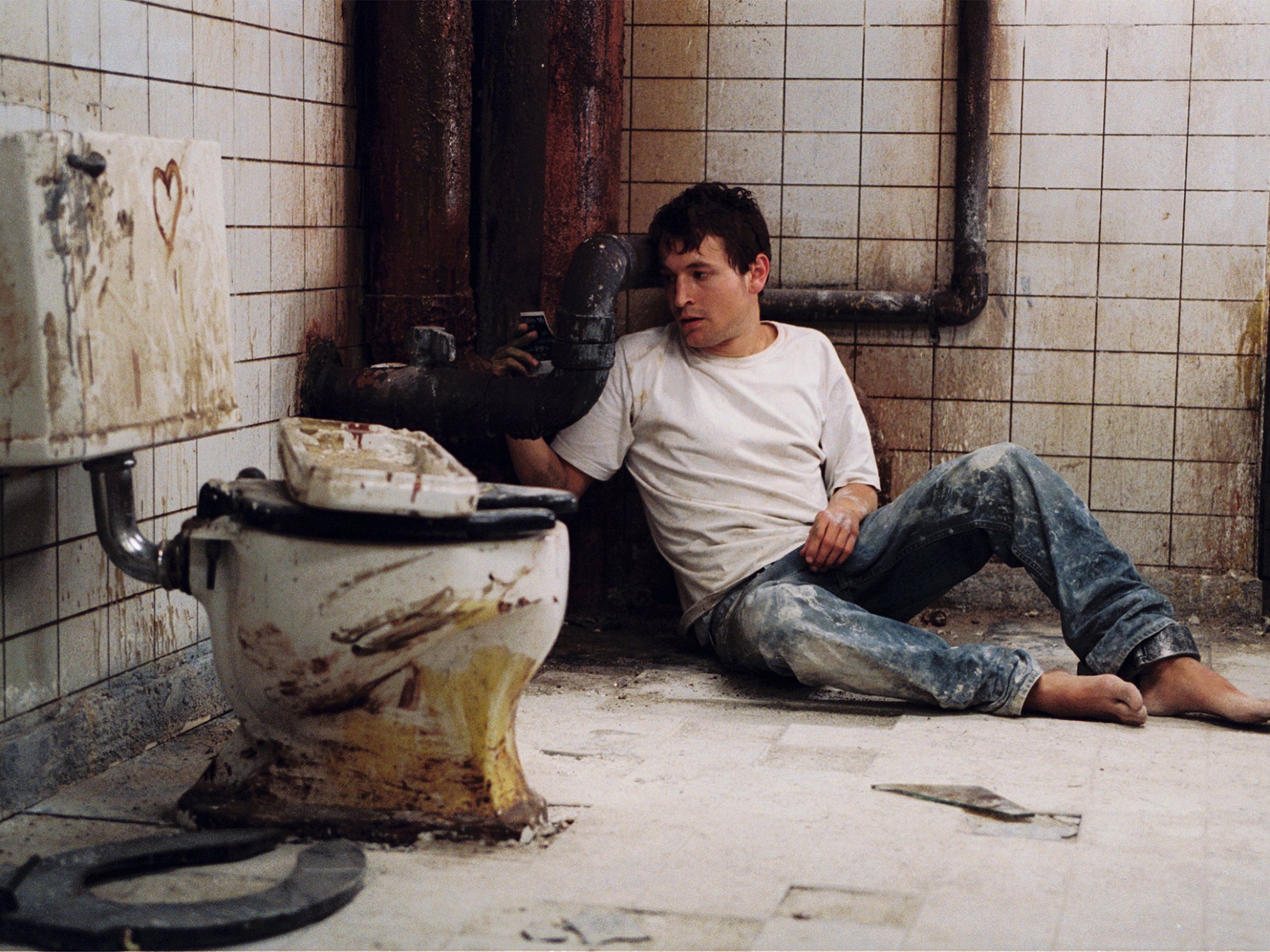
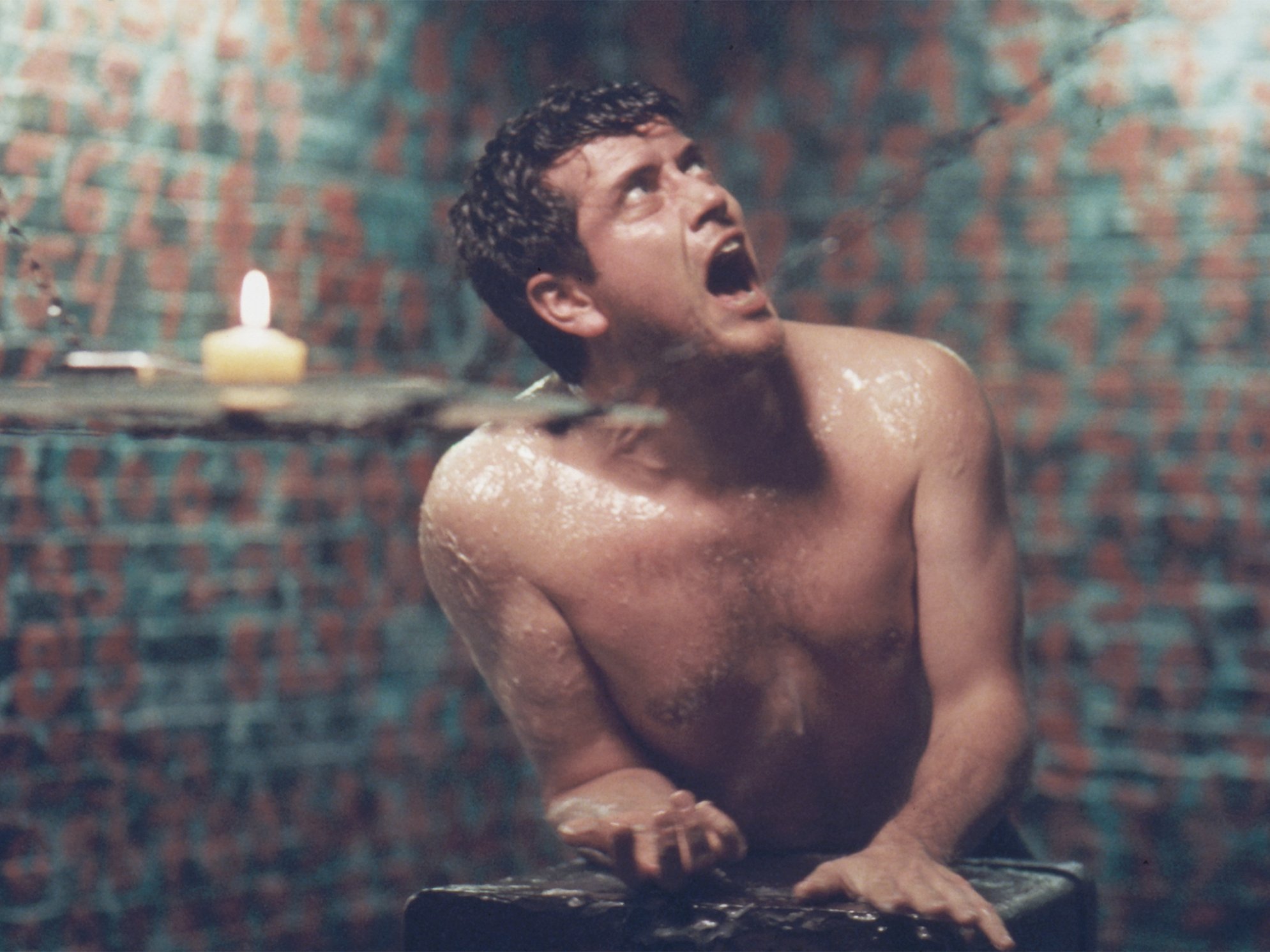
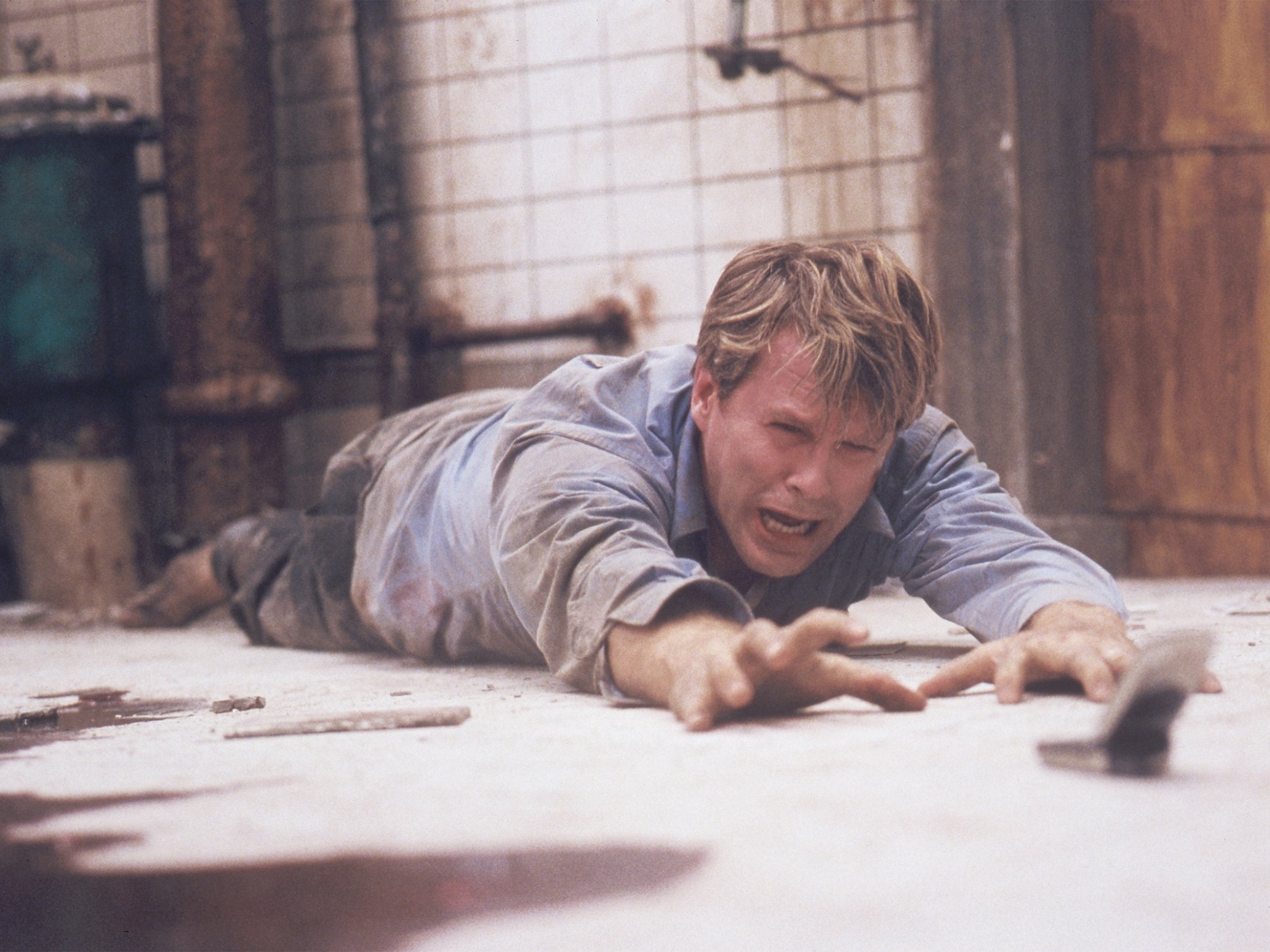
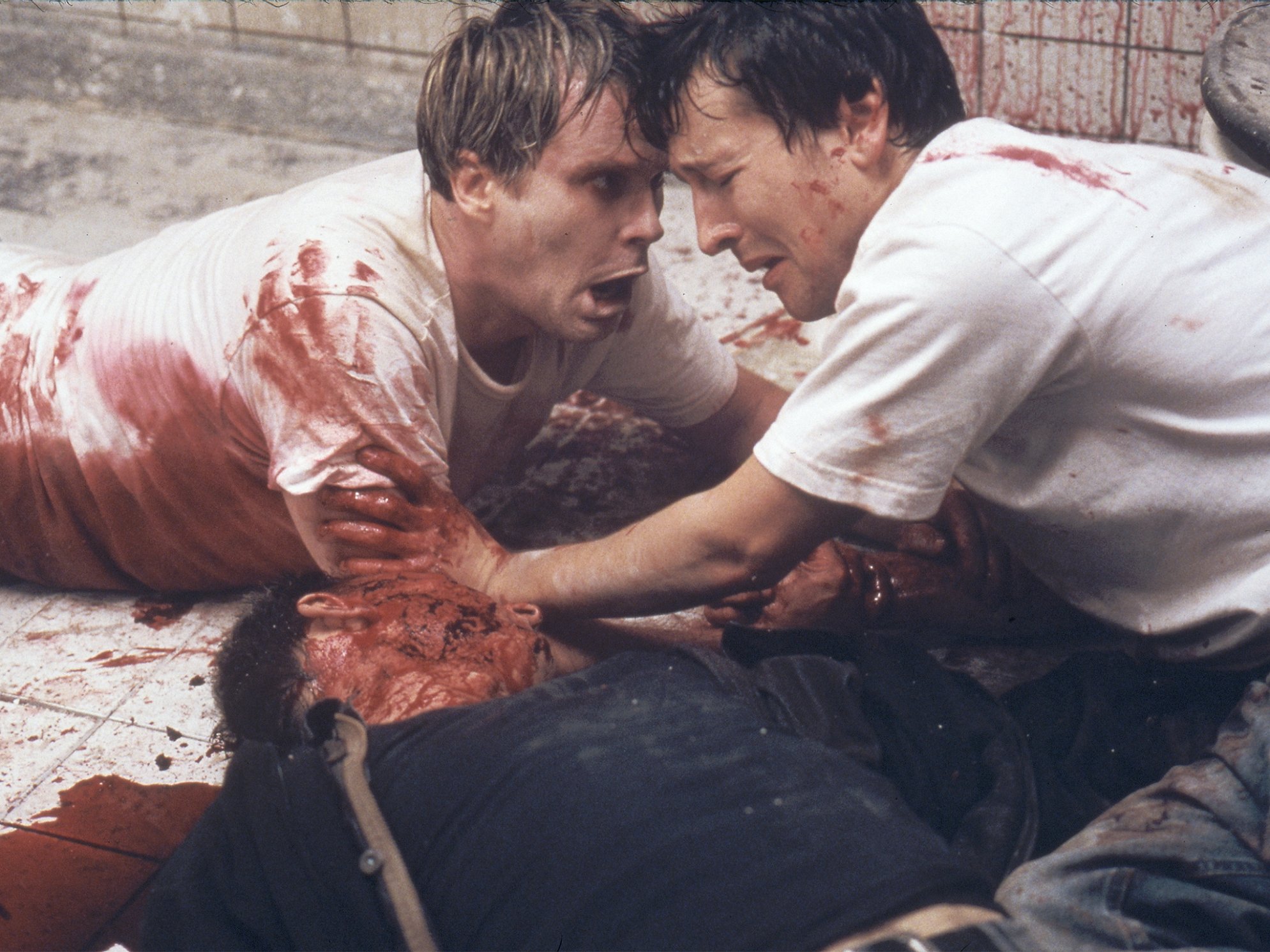
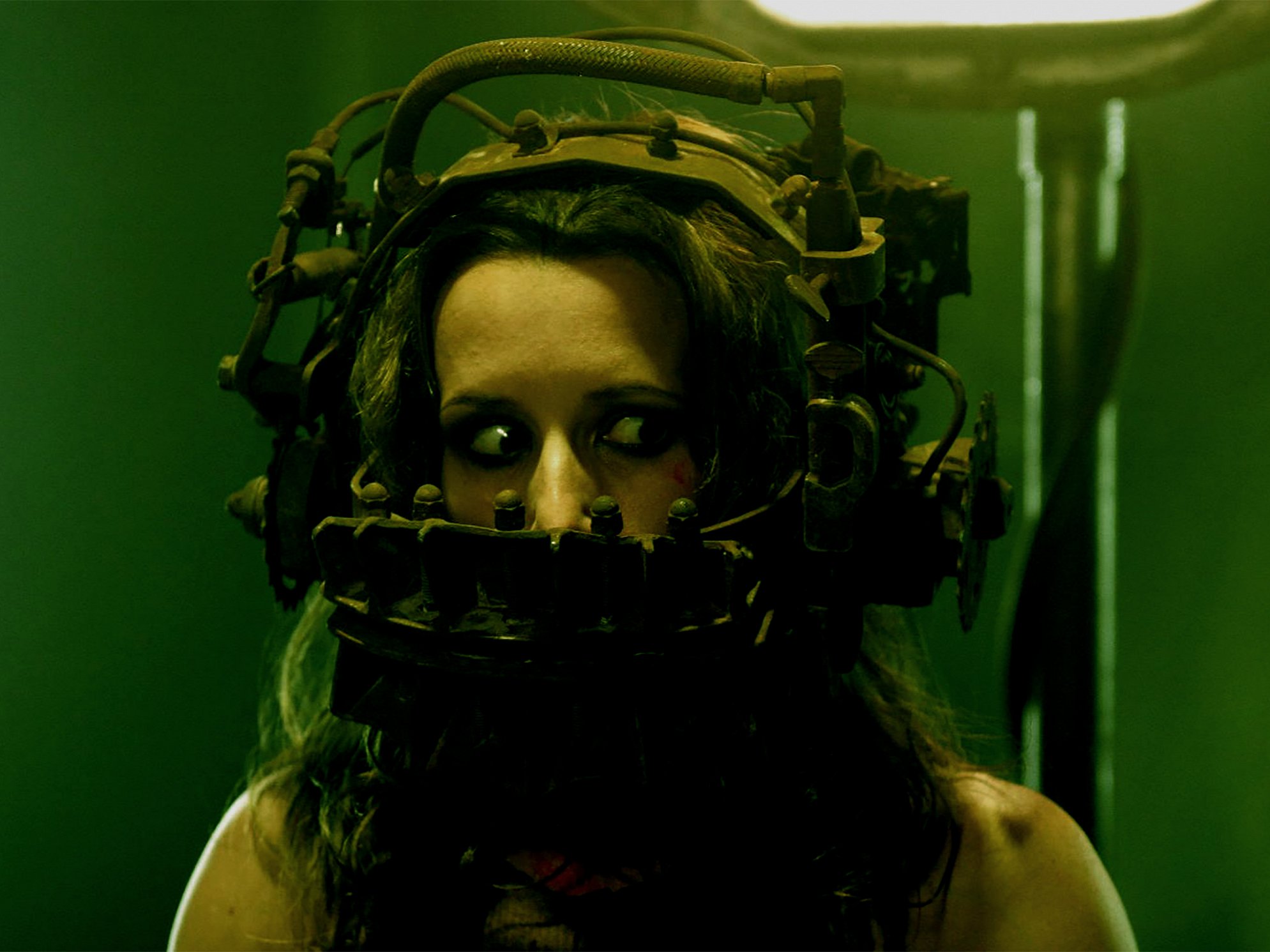
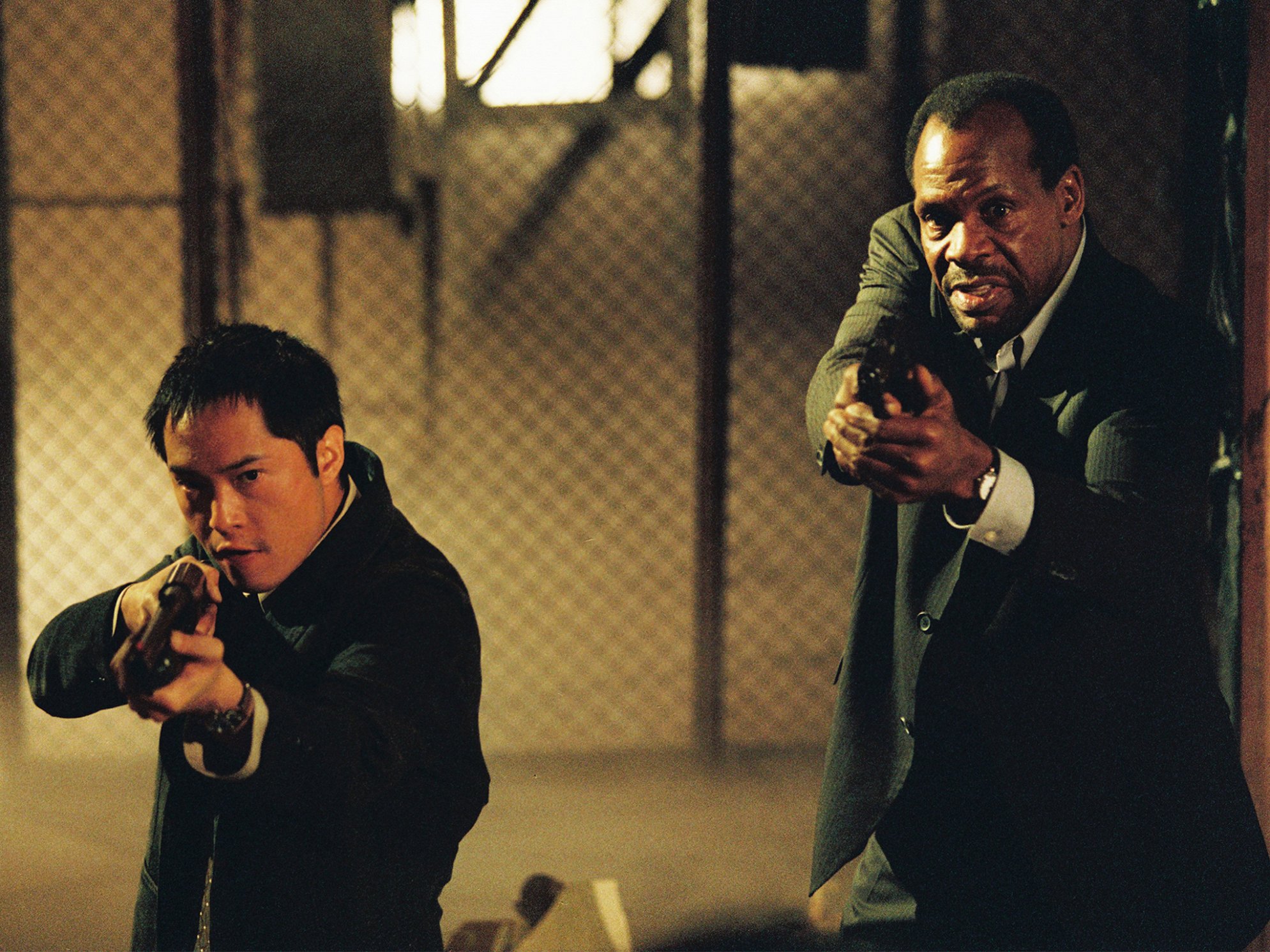
Saw: is a horror thriller that reinvigorated the genre when it debuted in 2004, blending psychological tension with visceral shock elements, and it remains a polarizing but influential movie within horror cinema. At its core, the story follows two men who wake up chained in a grimy, dimly lit bathroom with no memory of how they got there. One is a photographer named Adam, while the other is Dr. Lawrence Gordon. They soon discover they are pawns in a depraved game orchestrated by a sadistic figure known as the Jigsaw Killer, a character who places victims in deadly traps designed to test their will to survive. From the outset, Saw traps the viewer in an atmosphere of dread and desperation, forcing the audience to confront both the physical horrors on screen and the disturbing philosophical questions about human instinct and morality.
The film’s structure — a combination of real-time sequences and flashbacks — creates a sense of mystery that slowly builds toward a memorable twist ending. While some critics at the time found the plot convoluted and the flashback format disorienting, this very structure became one of the film’s defining features, emphasizing the claustrophobia and psychological unease at its heart. Rather than relying solely on cheap scares, Saw makes the viewer work to understand the relationships between characters and to question what they would do in similar circumstances. This complexity is part of why the movie has endured beyond its initial release.
However, Saw is not without its flaws. Some reviewers criticized aspects like uneven performances and moments where the logic of the narrative seems strained or inconsistent. Others felt that the relentless focus on gruesome setups sometimes overshadowed deeper storytelling, making certain scenes feel gratuitous rather than meaningful. Despite these criticisms, the film’s blend of ingenuity and brutality resonated with audiences, leading to a successful franchise that expanded the mythology of the Jigsaw Killer and introduced even more elaborate traps and moral dilemmas in subsequent installments.
In summary, Saw: Hra o přežití stands as a landmark in modern horror cinema. It combines a tense, puzzle-like narrative with unsettling visuals to create a unique movie experience. Its influence on the genre is undeniable, and while it may challenge viewers with its disturbing imagery and morally complex premise, it rewards those willing to engage with its intense psychological drama.
Horror / Mystery / Thriller
USA, 2004, 99 min
Directed by: James Wan
Screenplay by: Leigh Whannell
Cinematography: David A. Armstrong
Music by: Charlie Clouser
Cast: Leigh Whannell, Cary Elwes, Danny Glover, Monica Potter, Ken Leung, Michael Emerson, Tobin Bell, Makenzie Vega, Shawnee Smith, Dina Meyer, Benito Martinez, Mike Butters, Ned Bellamy, Oren Koules, Paul Gutrecht, Alexandra Bokyun Chun
Produced by: Mark Burg, Oren Koules, Gregg Hoffman
Casting: Amy Lippens
Edited by: Kevin Greutert
Sound: Jonathan Wales, John Taylor
Production Design: Julie Berghoff
Make-up: Scott H. Eddo
Costume Design: Jennifer L. Soulages