The Blair Witch Project (1999) is one of the most influential horror films ever made, not because of its budget, visual effects, or star power, but because of the way it fundamentally changed how horror could be presented to audiences. Directed by Daniel Myrick and Eduardo Sánchez, the film became a cultural phenomenon almost overnight. What makes it so remarkable is that it managed to terrify viewers using almost nothing in terms of traditional filmmaking tools. There are no elaborate monsters, no dramatic orchestral scores, and very little that resembles a conventional horror narrative. Instead, the film relies entirely on atmosphere, suggestion, and the growing sense of dread experienced by its characters.
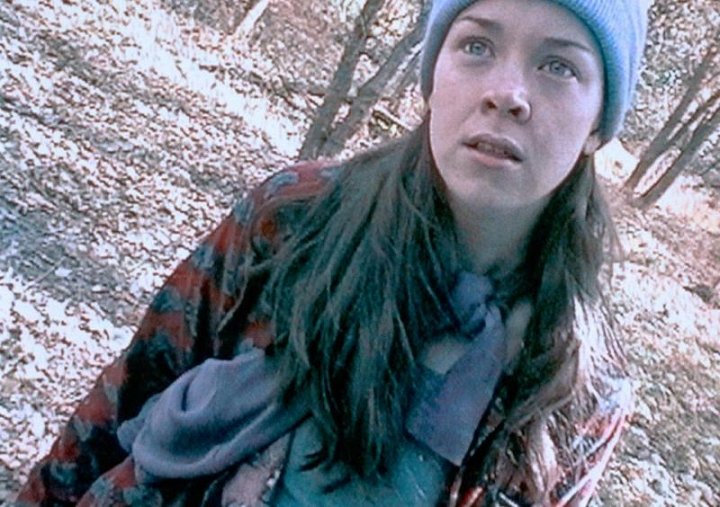
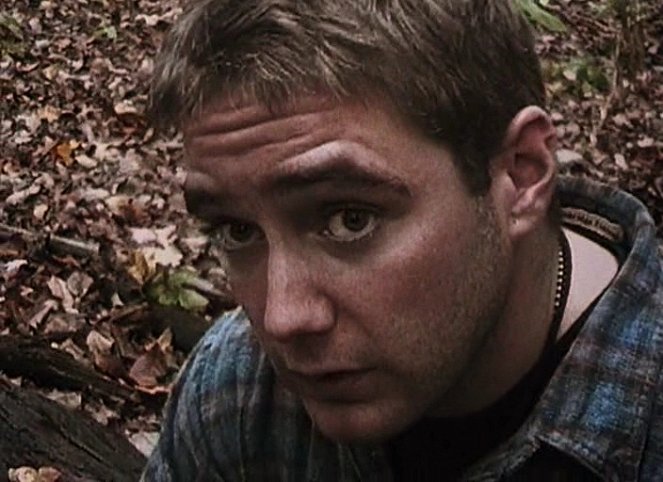
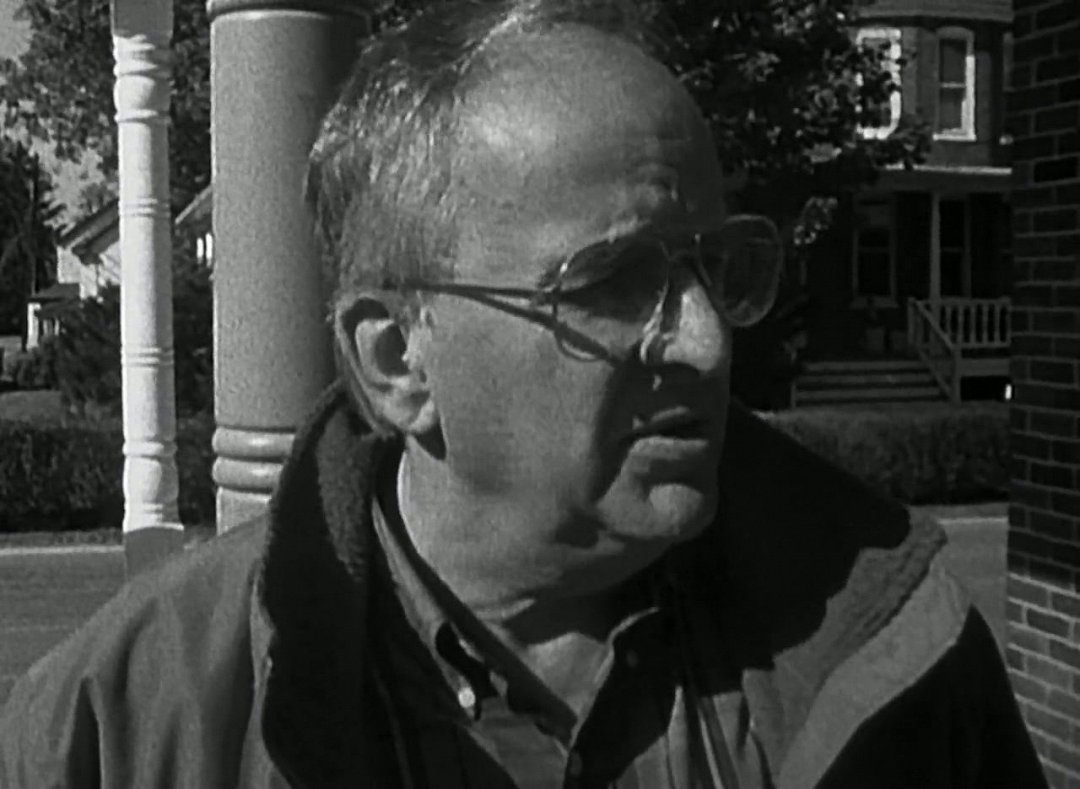
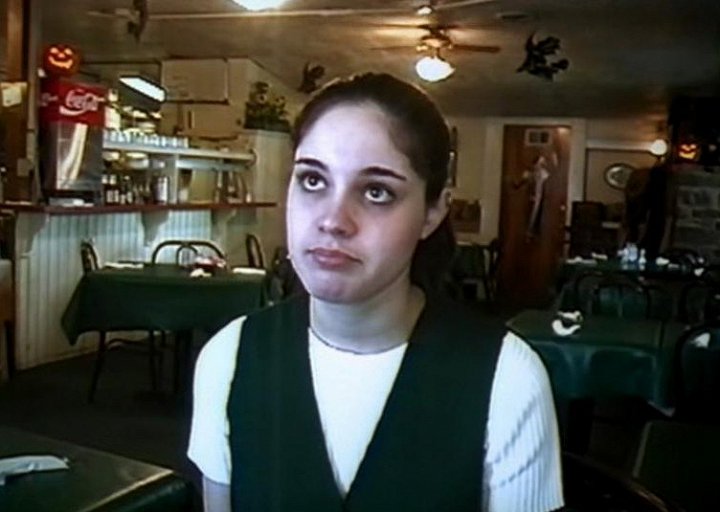
The story follows three film students — Heather Donahue, Michael C. Williams, and Joshua Leonard — who travel to the small town of Burkittsville, Maryland, to make a documentary about the local legend known as the Blair Witch. According to local folklore, the witch has haunted the surrounding Black Hills Forest for centuries, responsible for strange disappearances, murders, and unexplained supernatural events. The students interview townspeople, gather stories about the legend, and then venture into the forest to investigate the mystery themselves. What begins as a simple student film project gradually turns into something far more disturbing.
From the moment the trio enters the woods, the tone slowly begins to shift. At first, the atmosphere feels natural and almost casual. The characters joke with each other, argue about directions, and behave exactly like real people documenting a small project. This sense of realism is one of the film’s greatest strengths. The performances feel completely authentic, largely because the actors were given a great deal of freedom to improvise their dialogue. Their conversations are messy, awkward, and sometimes frustrating, which only adds to the feeling that the viewer is watching something real rather than a scripted movie.
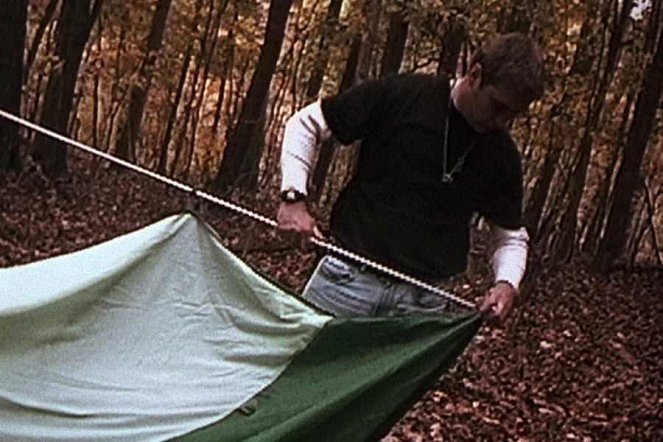
As the days pass and the group becomes lost in the forest, the situation slowly begins to unravel. Strange noises are heard at night, piles of rocks appear outside their tent, and unsettling stick figures hang from the trees. None of these events are particularly shocking on their own, but the film’s brilliance lies in how it builds tension through accumulation. Each small moment adds to the unease, making the forest feel increasingly hostile and mysterious. The audience is forced to imagine what might be happening just outside the frame of the camera, which is often far more terrifying than anything that could be shown directly.
One of the most important aspects of The Blair Witch Project is its use of the found footage format. At the time of its release, this approach was still relatively uncommon in mainstream cinema. The idea that the film was composed entirely of recovered footage from a missing documentary crew created an illusion that blurred the line between fiction and reality. The filmmakers leaned heavily into this concept during the marketing campaign, presenting the actors as genuinely missing people and distributing fake police reports and documentary materials online. For many viewers in 1999, especially those encountering the film before social media made fact-checking instant, the illusion was convincing enough to create a unique viewing experience.
Watching the film today, it may be difficult to fully appreciate how revolutionary this approach was at the time. Modern audiences are familiar with countless found footage horror films that followed in its wake, such as Paranormal Activity, REC, Cloverfield, and many others. However, The Blair Witch Project was one of the first films to prove that this style could work on a large scale. Made on a budget estimated at around $60,000, the film went on to earn nearly $250 million worldwide, making it one of the most profitable films in cinema history.
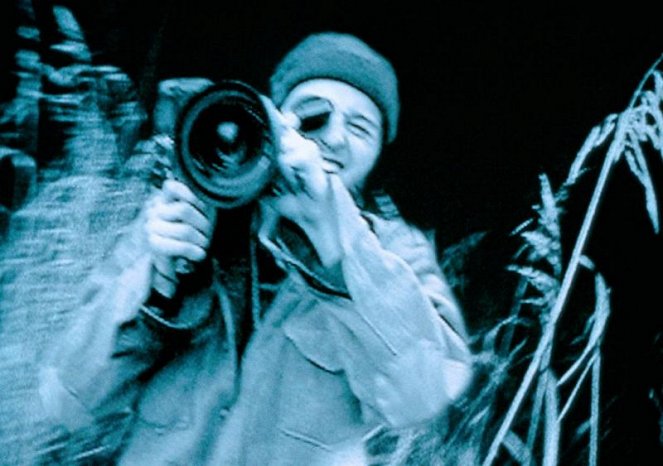
The film’s minimalist approach also extends to its visual style. Much of the footage is intentionally rough, shaky, and imperfect. The characters operate two cameras — a handheld Hi8 video camera and a 16mm black-and-white camera used for the documentary interviews. This dual-camera approach creates a strange but effective visual contrast. The black-and-white footage gives the interviews a serious documentary tone, while the grainy video footage feels raw and immediate. At times the camera moves erratically, capturing only glimpses of the surroundings, which enhances the sense of confusion and panic.
Perhaps the most memorable aspect of the film is how little it actually shows. Unlike most horror movies, there is never a clear visual representation of the Blair Witch itself. The horror exists almost entirely in the characters’ reactions and the atmosphere surrounding them. This choice forces the audience to rely on their imagination, which can often be far more unsettling than any explicit image. The unseen presence lurking somewhere in the forest becomes more frightening precisely because it is never revealed.
The psychological breakdown of the characters is another key element that drives the film’s tension. Heather, who initially appears confident and determined to complete the documentary, slowly becomes overwhelmed by guilt and fear as the situation deteriorates. Mike grows increasingly frustrated and angry, particularly after realizing that they are hopelessly lost. Josh, meanwhile, becomes the emotional center of the group before mysteriously disappearing during the night. The loss of Josh marks a turning point in the narrative, pushing the remaining two characters into a state of near hysteria.
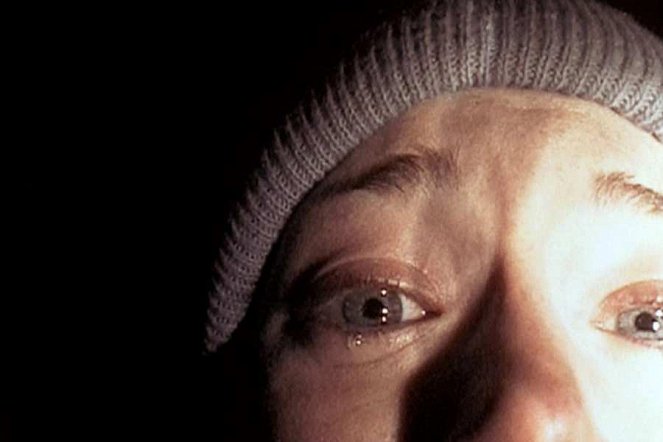
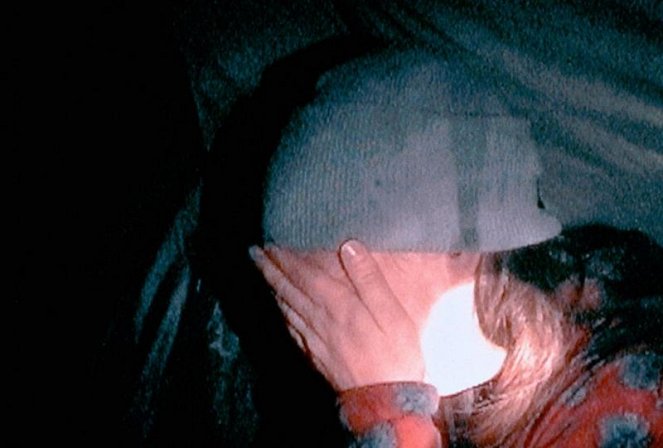
One of the most iconic scenes occurs when Heather records a confessional video late at night, apologizing to the families of her friends and admitting that the entire situation is her fault. The camera is extremely close to her face, illuminated only by the harsh light of the camera itself. Her tearful apology feels painfully genuine, and the image of her terrified expression became one of the most recognizable moments in horror cinema.
The final sequence of the film is also famous for its ambiguity and unsettling simplicity. After hearing what appears to be Josh’s voice echoing through the woods, Heather and Mike discover an abandoned house deep within the forest. The structure is decaying, covered in strange markings and handprints. As they explore the interior, the tension becomes almost unbearable. The chaotic camera movement, combined with the characters’ panic, creates a sense of absolute disorientation. The film ends abruptly with one of the most haunting images in horror — a moment that leaves viewers with far more questions than answers.
What makes this ending so effective is its refusal to explain anything. There is no clear resolution, no reveal of the witch, and no traditional climax. Instead, the story simply stops, leaving the audience to interpret the events themselves. This ambiguity has been the subject of endless discussion among fans and critics alike. Some interpret the ending as evidence that the witch was real, while others believe the events could have been caused by something more human or psychological.
Another reason the film remains influential is its understanding of fear as something deeply personal and subjective. Rather than relying on jump scares or graphic violence, the film focuses on isolation, uncertainty, and the fear of being lost in an environment that feels endless and indifferent. The forest itself becomes a character, an overwhelming presence that slowly erodes the characters’ sense of direction and sanity.
While The Blair Witch Project has received some criticism over the years — particularly from viewers who find the pacing slow or the characters frustrating — its importance in horror history is undeniable. It proved that a film does not need a large budget or complex visual effects to create a powerful emotional response. Instead, creativity, atmosphere, and clever storytelling can achieve something far more memorable.
The film also demonstrated the power of viral marketing long before the concept became standard in the entertainment industry. The mysterious website, fake documentary materials, and rumors about the actors’ disappearance created a sense of intrigue that drew audiences into the experience even before they entered the theater. In many ways, the marketing campaign was just as innovative as the film itself.
More than two decades after its release, The Blair Witch Project still holds a unique place in horror cinema. It represents a moment when independent filmmaking, clever marketing, and a simple but effective idea combined to create something truly unforgettable. Even viewers who are not particularly fond of the film often acknowledge its impact on the genre.
Ultimately, The Blair Witch Project succeeds because it understands a fundamental truth about fear: what we imagine is often far more terrifying than what we see. By leaving so much of its horror hidden in the darkness of the forest and the gaps between its scenes, the film invites the audience to participate in the experience. That participation transforms the story from a simple horror movie into something much more unsettling.
Whether one views it as a masterpiece of psychological horror or simply an interesting experiment in filmmaking, there is no denying that The Blair Witch Project changed the landscape of horror cinema. Its influence can still be felt today, and its eerie final moments continue to haunt viewers long after the screen fades to black.

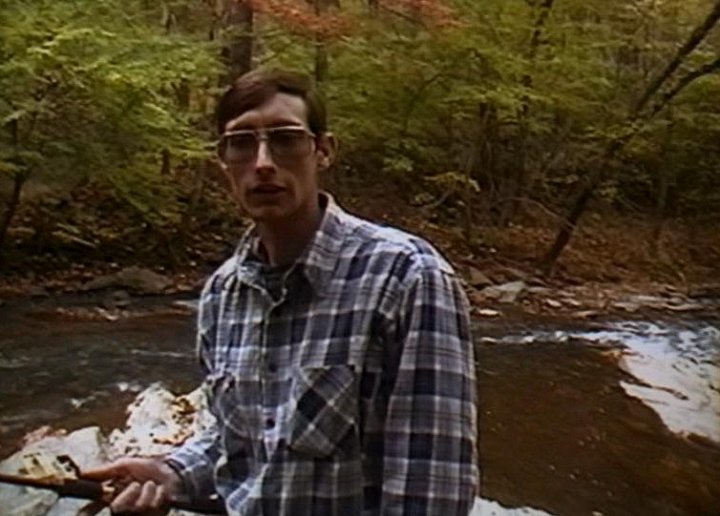
Horror / Mystery
USA, 1999, 81 min (Special Edition: 86 min, Alternate Cut: 78 min)
Directed by: Daniel Myrick, Eduardo Sánchez
Screenplay by: Daniel Myrick, Eduardo Sánchez
Cinematography: Neal Fredericks
Music by: Antonio Cora
Starring: Heather Donahue, Joshua Leonard, Michael C. Williams, Bob Griffin, Susie Gooch, Mark Mason, Patricia DeCou, Ed Swanson, Sandra Sánchez, Jim King
Produced by: Robin Cowie, Gregg Hale
Edited by: Daniel Myrick, Eduardo Sánchez
Production Design: Ben Rock
While The Blair Witch Project is often praised for pioneering the found-footage horror style, it is not without significant flaws. The film’s shaky camerawork, though intended to create realism, often becomes disorienting and frustrating, making it difficult to stay engaged. The pacing is extremely slow, with large stretches of the characters wandering aimlessly through the forest, which can feel tedious rather than suspenseful. Character development is minimal, leaving the audience with little emotional investment in the protagonists’ fate. Additionally, the film’s ambiguous ending, while meant to be unsettling, may leave many viewers feeling unsatisfied and confused rather than terrified.