The Invitation (2022), directed by Jessica M. Thompson and written by Blair Butler, arrives as an ambitious attempt to fuse classic gothic horror with modern thriller elements. Anchored by a committed performance from Nathalie Emmanuel, the film promises an atmospheric ride through aristocratic secrets and supernatural dread. Despite its intriguing premise, however, the execution leaves something to be desired — a mix of compelling visuals and squandered potential that ultimately settles into familiar territory rather than breaking new ground.
At its surface, The Invitation feels like a fresh spin on a well‑worn formula: a young woman with a troubled past is lured into an opulent world only to discover that all is not as it seems. The opening establishes Evie Jackson as a relatable protagonist — a struggling New York artist weighed down by grief and a sense of rootlessness after her mother’s death. When a DNA test reveals a long‑lost cousin in England, Evie seizes the chance for connection, hope, and perhaps even belonging in a world she never knew existed.
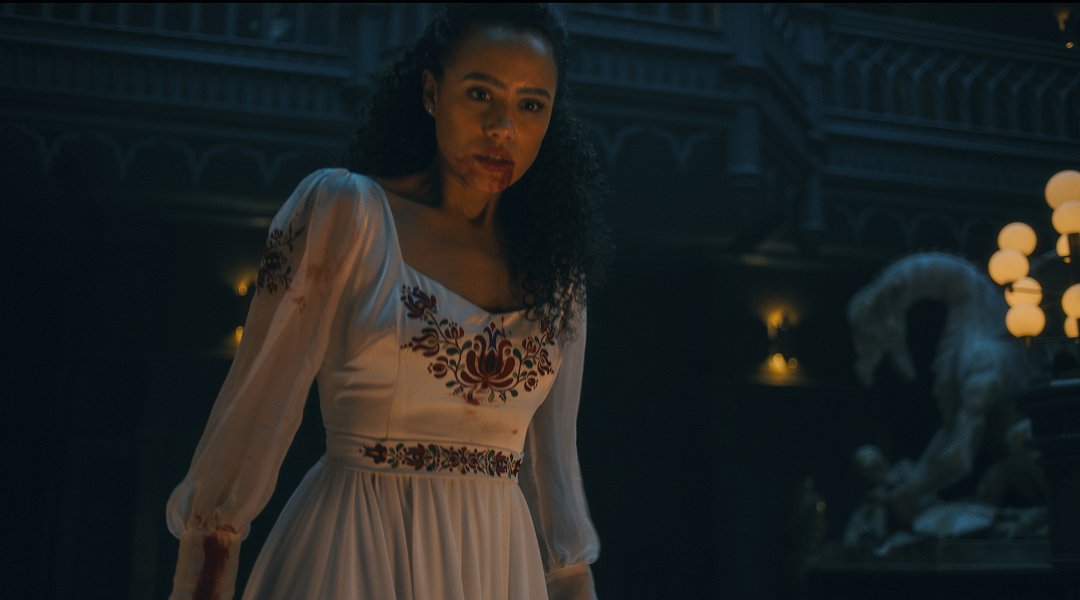
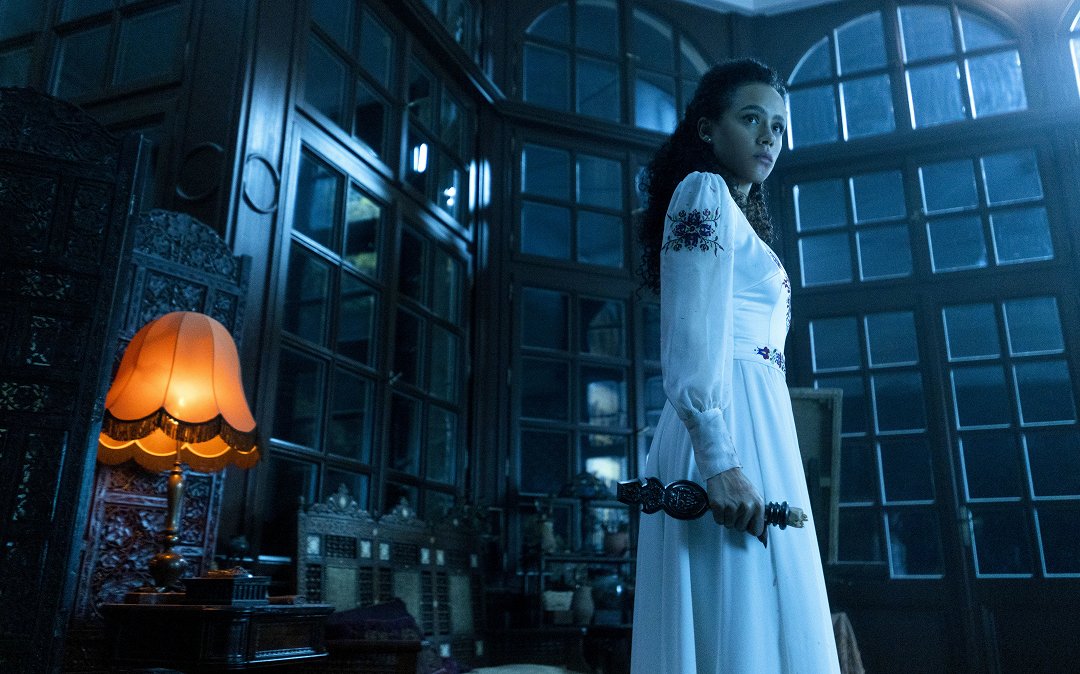
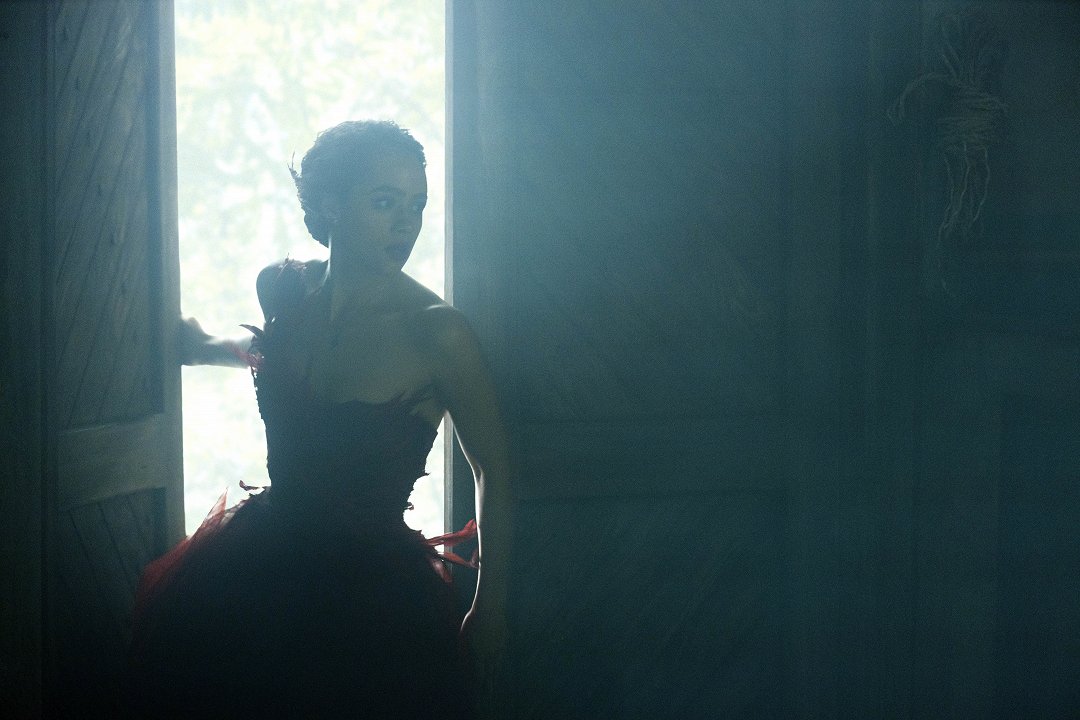
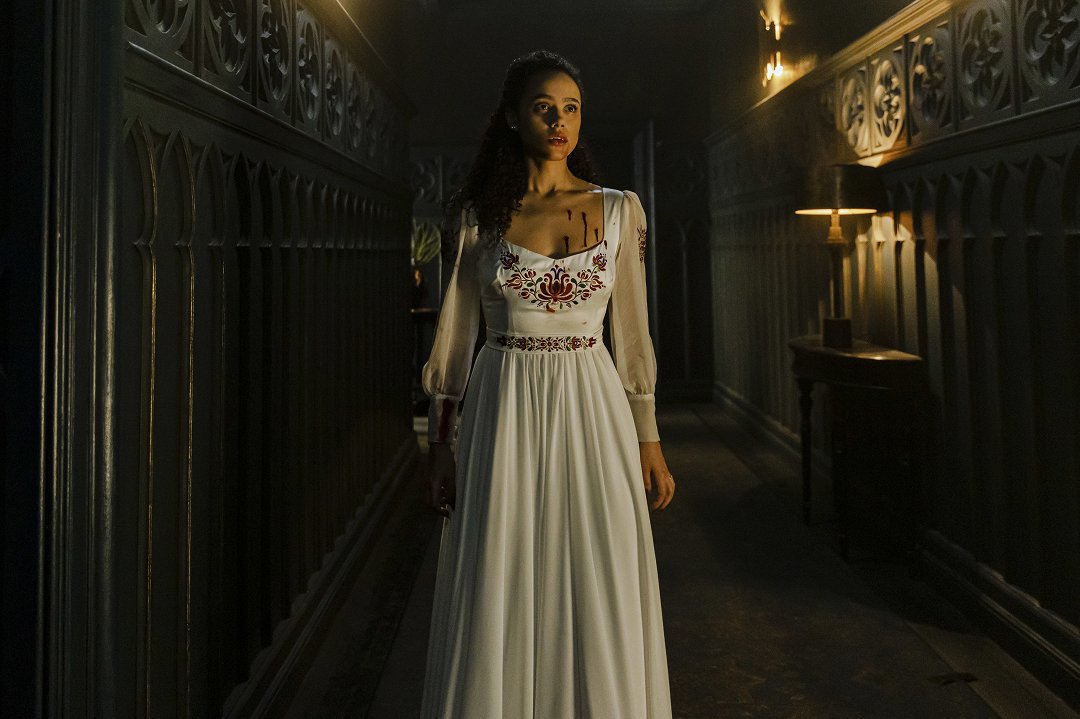
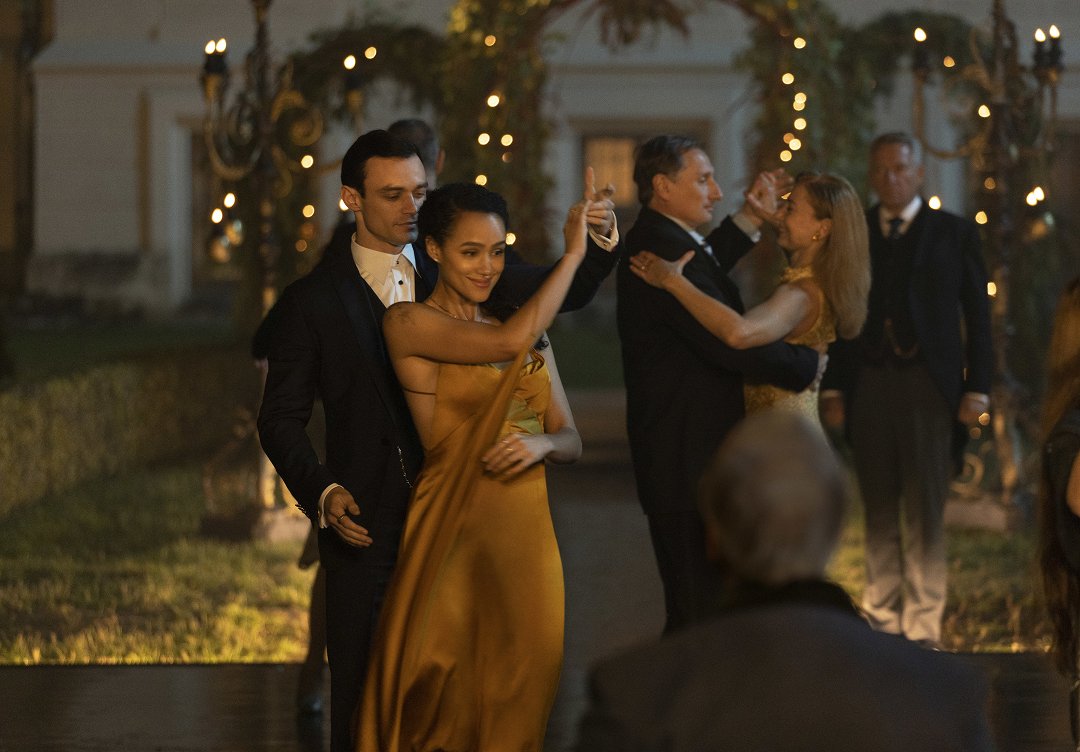
From the moment Evie arrives at the sprawling, mist‑shrouded estate in the English countryside, The Invitation builds a striking visual palette. The cinematography evokes the gothic essence of Hammer Horror classics, with shadow‑drenched halls, elegant period dress, and a sense of lurking unease that feels ripe for suspense. These early sequences tease a deeper mystery, and for a while, the film maintains a palpable sense of atmospheric tension.
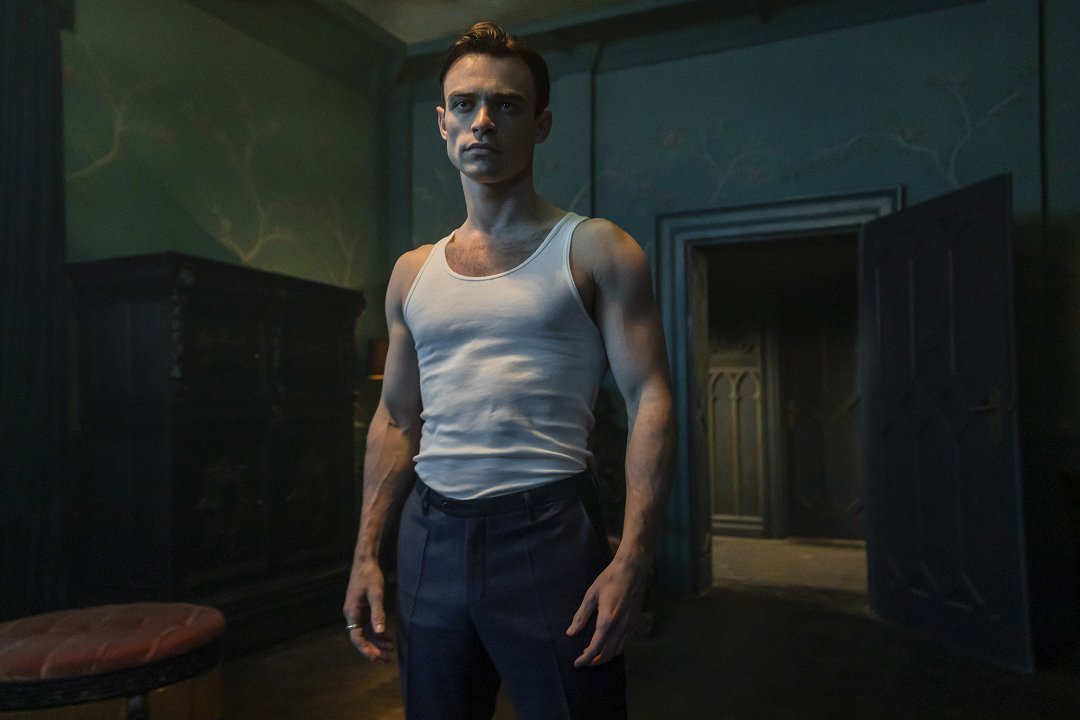
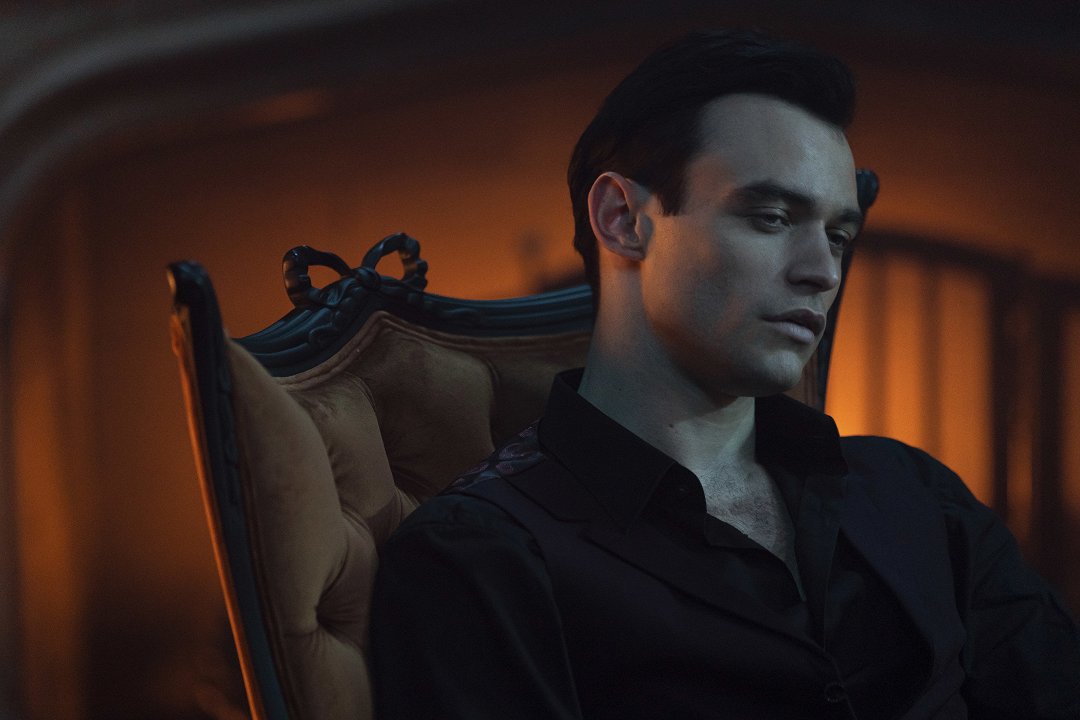
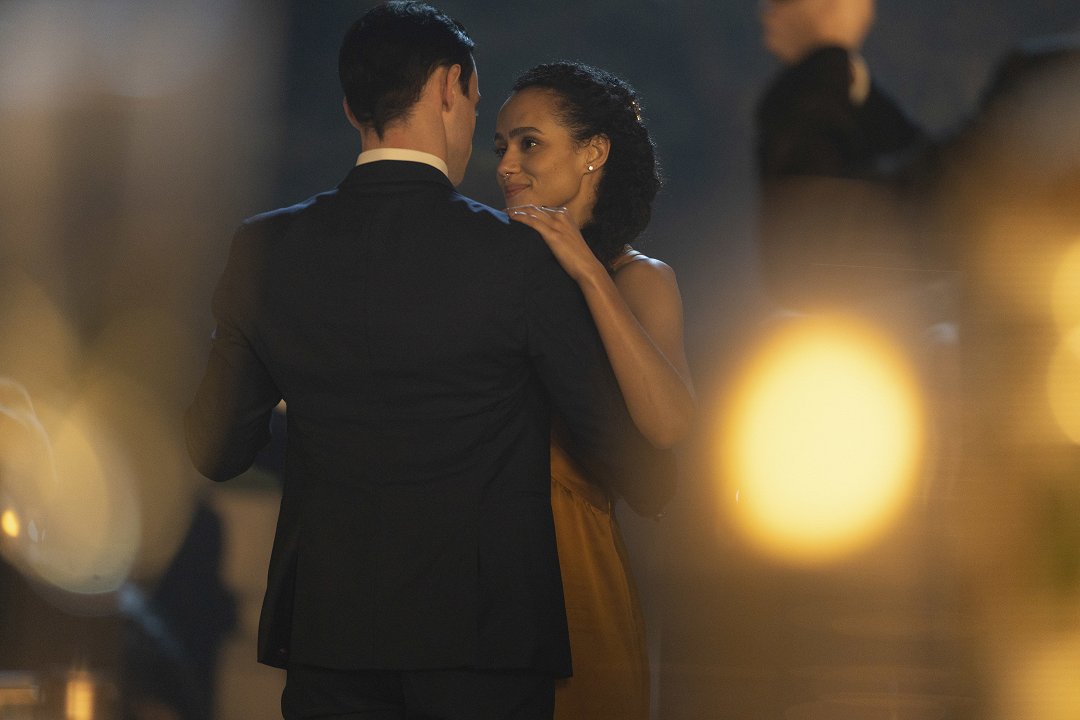
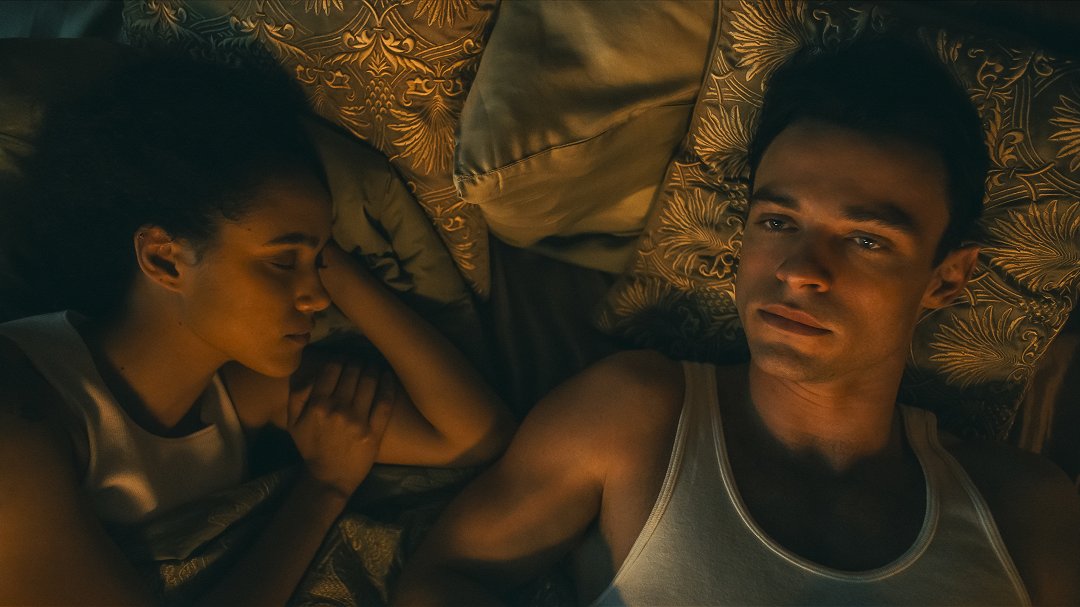
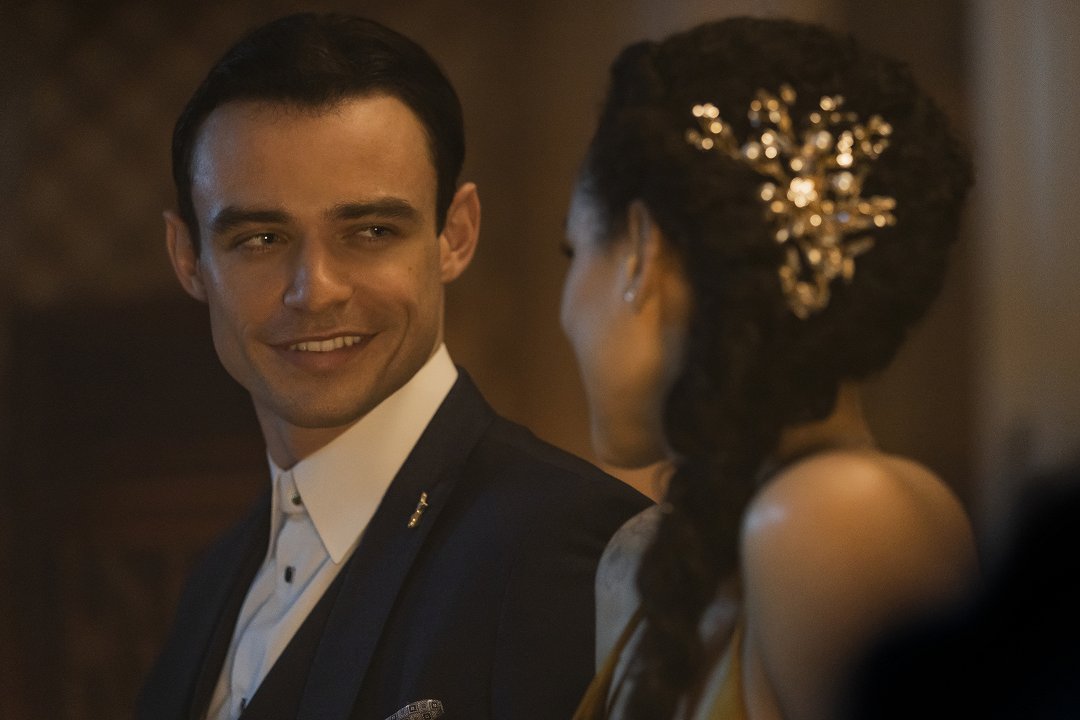
The estate’s aristocratic host, Walter De Ville (played by Thomas Doherty), embodies traditional gothic charm — suave, handsome, and just mysterious enough to keep us guessing about his true intentions. The list of eccentric characters includes snobbish cousins, devoted maids, and a butler whose polite disposition barely masks something darker. Some of these supporting players fulfill their roles effectively enough to heighten curiosity, while others feel more like placeholders than fully realized figures with depth or intrigue.
Up to its midpoint, The Invitation teases potential explorations of identity, race, class, and belonging. Evie is noticeably one of the few people of color amid a sea of pale aristocrats, and moments early on suggest the film might delve into social commentary reminiscent of Jordan Peele’s Get Out. Yet this promising thread barely scratches the surface before the narrative shifts abruptly into standard horror tropes.
This tonal shift is where the film’s challenges become most pronounced. What begins as a slow burn rooted in uneasy intrigue eventually gives way to more conventional jump scares, predictable twists, and familiar vampire lore. The transition feels abrupt — almost as if the film can’t decide whether it wants to be a character‑driven mystery, a gothic romance, or a straight horror piece. As a result, The Invitation loses some of the narrative cohesion that its early sections build so effectively.
Writer Blair Butler’s script shows ambition, but at times it overreaches without fully committing. Dialogue — particularly in the film’s “romantic” beats between Evie and Walter — sometimes lapses into cliché or awkwardness, undercutting the sincerity of the characters’ relationships. Horror fans hoping for relentless scares might be disappointed with the slow build and relatively predictable sequences. Meanwhile, viewers looking for a deeper emotional core may feel that themes of identity and belonging are brushed aside too quickly in favor of action‑oriented set pieces.
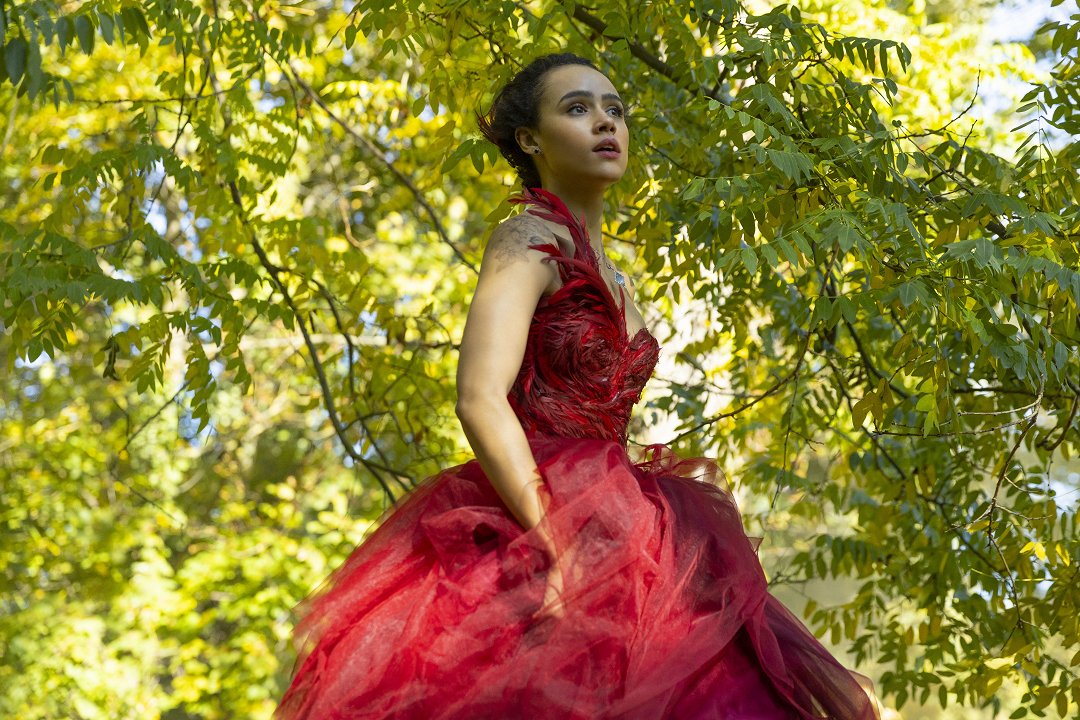
At the heart of the story is Nathalie Emmanuel’s performance, which stands out as the film’s strongest asset. Emmanuel brings a grounded vulnerability and strength to Evie that makes her engaging to watch, even when the script falters around her. Her emotional journey — from hopeful curiosity to suspicion, fear, and finally fierce survival instinct — is compelling, and she gives the audience someone to invest in amid the shifting tones. Critics generally praise her work, noting that her presence helps lift otherwise familiar material.
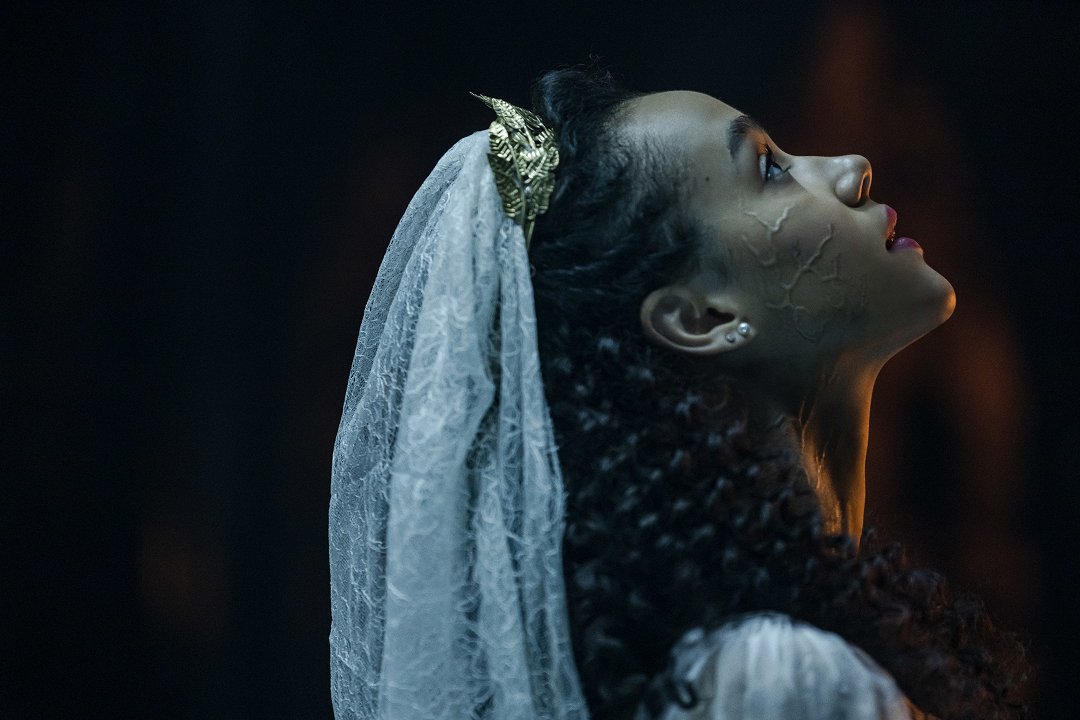
Beyond its narrative structure, The Invitation boasts admirable production values. The set design and costumes are rich and detailed, creating a world that feels both decadent and ominous. The mansion and surrounding grounds evoke classic gothic horror, and certain scenes — especially early atmospheric sequences — are genuinely evocative. Music and editing serve their purposes well, although they too sometimes veer more toward suspenseful ambience than genuine terror.
Audience and critical reactions to The Invitation were mixed at best upon its 2022 release. On Rotten Tomatoes, the film holds a notably low critic score, with many reviewers citing its predictability and pacing issues. Audiences were slightly more generous but still reflected a divided reception, with praises often directed at the setting and central performance more than the story itself. On Metacritic, ratings skewed toward the average, indicating a general sense of “missed potential” rather than outright failure or success.
Part of what makes The Invitation a curious case is that it almost feels like two different movies stitched together: one that explores gothic mystery and atmospheric dread, and one that leans into genre conventions more comfortably. When it embraces its vampire elements with unabashed fervor, the film becomes far more predictable — though still oddly entertaining for viewers in the right mood. There are flashes of camp, melodrama, and self‑aware horror that keep it watchable even when it loses narrative focus.
In the final evaluation, The Invitation is a film that thrives in moments but stumbles in overarching vision. Its strengths — a charismatic lead performance, striking visuals, and atmospheric building — suggest that the filmmakers were reaching for something heightened and memorable. Yet inconsistent pacing, underdeveloped themes, and a reliance on familiar horror beats prevent it from achieving the visceral impact it seems to aim for. This might feel like a letdown for some viewers expecting a fresh take on gothic horror, but for others, it’s a mildly entertaining genre piece with just enough intrigue to hold attention.
Ultimately, The Invitation is worth watching if you appreciate gothic aesthetics and strong central performances, but temper your expectations. It doesn’t fully commit to the depth it hints at, yet it offers enough style, suspense, and atmosphere to warrant a viewing — especially for fans of atmospheric horror with a romantic twist.
Horror / Thriller
USA, 2022, 105 min (Alternative 101 min)
Director: Jessica M. Thompson
Screenplay: Blair Butler, Jessica M. Thompson
Cinematography: Autumn Eakin
Music: Dara Taylor
Cast: Nathalie Emmanuel, Alana Boden, Thomas Doherty, Hugh Skinner, Sean Pertwee, Stephanie Corneliussen, Jeremy Wheeler, Virág Bárány, Kata Sarbó, Courtney Taylor, Scott Alexander Young, Carol Ann Crawford
Production: Emile Gladstone
Casting: Suzanne Smith
Editing: Tom Elkins
Sound: Mandell Winter, Jason Gaya
Production Design: Felicity Abbott, Zsuzsanna Sipos, Clare Keyte, Jiří Karásek
Costume Design: Danielle Knox