Psychological horror has always relied on atmosphere, suggestion, and the quiet feeling that something is deeply wrong beneath the surface of everyday life. Undertone (2025) fully embraces that philosophy. Rather than overwhelming the viewer with constant jump scares or graphic violence, the film slowly burrows into the mind, building tension through sound, silence, and a lingering sense of unease. The result is a horror experience that feels intimate, unsettling, and surprisingly thoughtful.
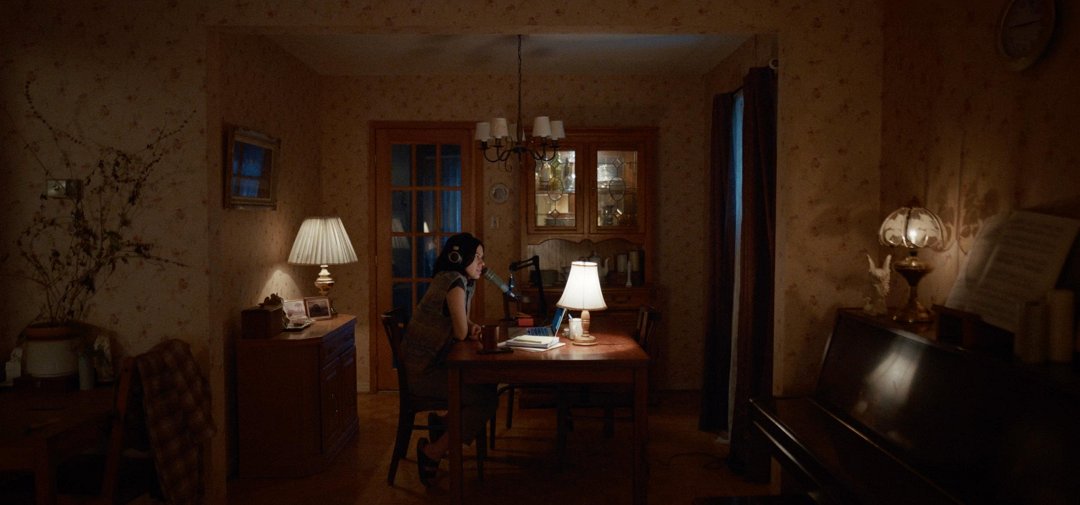
From the opening minutes, Undertone makes it clear that it is not interested in rushing its story. The film begins with an almost hypnotic pace, introducing us to its central character and the isolated environment that will eventually become a psychological prison. At first, everything seems relatively normal, but small details begin to stand out. A strange noise that no one else seems to hear. A feeling of being watched in an empty room. Conversations that feel slightly off, as if the characters themselves are hiding something.
This slow unraveling is one of the film’s greatest strengths. Instead of immediately revealing what is happening, the story allows the mystery to grow naturally. The tension increases scene by scene, and the audience is forced to question what is real and what might only exist inside the protagonist’s mind. By the time the true horror elements begin to surface, the viewer is already deeply invested in the character’s psychological descent.
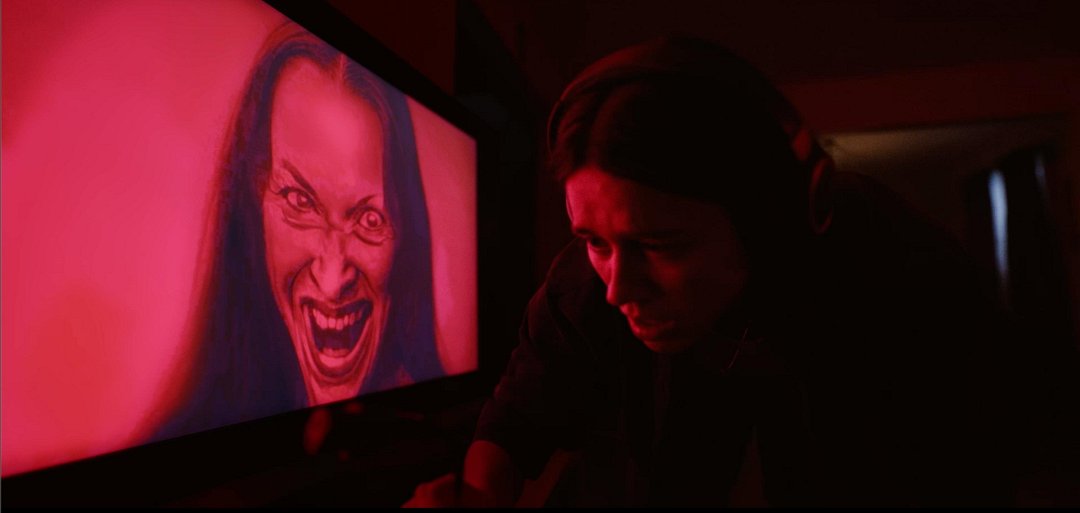
The film’s atmosphere plays a huge role in making this work. Much of Undertone takes place in quiet, enclosed spaces—dimly lit rooms, empty corridors, and lonely outdoor locations that feel strangely disconnected from the rest of the world. The cinematography emphasizes shadows and negative space, often leaving large parts of the frame in darkness. This visual style constantly keeps the viewer scanning the screen, wondering if something might suddenly emerge from the shadows.
Equally important is the sound design, which may be the most impressive technical aspect of the film. The title Undertone is not accidental. Subtle background noises, low-frequency sounds, and distorted audio cues are woven throughout the film in a way that feels both deliberate and deeply unsettling. At times the soundtrack becomes almost subliminal, creating a feeling of tension even when nothing visibly frightening is happening on screen.
The performances are another strong point. The lead actor carries much of the film on their shoulders, delivering a performance that gradually shifts from quiet curiosity to genuine psychological distress. What makes the character compelling is how relatable their reactions feel. Instead of immediately panicking or behaving irrationally, the character initially tries to rationalize the strange events occurring around them. This makes their eventual breakdown feel more believable and emotionally impactful.
Supporting characters are used carefully rather than excessively. Each of them plays a role in reinforcing the central mystery, but the film wisely avoids overcrowding the narrative with unnecessary subplots. Their presence often raises more questions than answers, which contributes to the growing sense of paranoia. At times it becomes difficult to tell whether these characters are trustworthy or part of the problem themselves.
One of the most interesting aspects of Undertone is how it explores the idea of perception. The film repeatedly challenges the viewer to question what they are seeing and hearing. Certain scenes are presented in ways that feel intentionally ambiguous. A shadow might move slightly differently each time the camera returns to the same location. A piece of dialogue may carry a different meaning depending on the context in which it is heard. These subtle manipulations encourage the audience to actively participate in the mystery rather than passively watching it unfold.
The pacing of the film may divide viewers. Those expecting a fast-paced horror film filled with constant scares might find Undertone a little slow. However, this deliberate pacing is essential to the film’s effectiveness. The gradual buildup allows the psychological tension to develop naturally, making the later moments of horror feel far more impactful than they would in a more conventional structure.
When the film finally begins to reveal its deeper themes, it becomes clear that Undertone is not just about fear. Beneath the supernatural or psychological elements lies a story about isolation, guilt, and the human tendency to ignore uncomfortable truths. The title itself can be interpreted as a metaphor for the hidden emotions and memories that quietly influence our thoughts and behavior. These “undertones” shape the protagonist’s experience and slowly push them toward a confrontation with something they may not be ready to face.
Visually, the film remains consistent with its minimalist approach. Rather than relying on elaborate special effects, it focuses on creating memorable imagery through lighting and composition. Several scenes use reflections, mirrors, and distorted perspectives to reinforce the theme of fractured perception. These visual choices help blur the line between reality and illusion, keeping the audience uncertain about what they are truly witnessing.
The climax of Undertone is particularly effective because it does not rely on a single shocking twist. Instead, the film gradually reveals the truth in a way that feels both inevitable and deeply unsettling. By the time the final scenes arrive, the audience has already pieced together much of the puzzle, but seeing the full picture still carries emotional weight. The ending itself avoids easy answers, leaving enough ambiguity to encourage discussion long after the credits roll.
While the film succeeds in many areas, it is not entirely without flaws. Some viewers may feel that certain narrative elements could have been explored more deeply. A few supporting characters, although intriguing, disappear from the story sooner than expected. Expanding their roles might have added additional layers to the mystery. Nevertheless, these are relatively minor issues in a film that otherwise demonstrates a strong sense of artistic direction.
Ultimately, Undertone stands out as a thoughtful and atmospheric entry in modern psychological horror. It proves that effective horror does not always require loud scares or excessive violence. Sometimes the most disturbing experiences come from quiet moments—the subtle suggestion that something is wrong, the faint sound in the background that no one else seems to hear, or the growing realization that the true threat may come from within.
For viewers who appreciate slow-burn horror and character-driven storytelling, Undertone offers a deeply immersive experience. It is the kind of film that lingers in the mind, inviting the audience to revisit its themes and hidden details after the story ends. In a genre that often prioritizes spectacle over substance, Undertone reminds us that sometimes the quietest horrors leave the strongest impression.
Canada
In theaters from March 13, 2026 – VVS Films
Horror / Thriller / Sci-Fi
Canada, 2025, 93 min
Director: Ian Tuason
Screenplay: Ian Tuason
Cinematography: Graham Beasley
Music: Shanika Lewis-Waddell
Cast: Nina Kiri, Kris Holden-Ried, Michèle Duquet, Adam DiMarco, Keana Lyn Bastidas, Brian Quintero, Sarah Beaudin
Producers: Cody Calahan, Dan Slater
Casting: Ian Bender
Editing: Sonny Atkins
Production Design: Mercedes Coyle
Costumes: Kayla Craig